女性の囁き声に導かれ、暗いシンセと重いビートがゆっくりと立ち上がる。
Blackstreetの「Deep」は、恋愛の余韻や切なさを描く一般的なスロウジャムではない。
低く沈むベース、硬質なドラム、何層にも折り重なる男性コーラスの上で、肉体的な欲望を真正面から描いた濃密なアーバンR&Bだ。
テンポは約111BPM。ただしビートの取り方は約56BPMのハーフタイムに近く、実際の数字以上にゆっくりと重く感じられる。
派手なコード進行や大きな展開に頼らず、「Deep」という言葉の反復とヴォーカルの密度だけで徐々に温度を上げていく。
Blackstreetらしい厚いハーモニーと、Teddy Rileyらしい機械的なビート感が、深夜の密室を思わせる官能的な空間を作り上げている。
アーティスト紹介
Blackstreetは、Teddy Rileyを中心に結成されたアメリカのR&Bグループ。
Teddy Rileyは、ヒップホップのドラムとR&Bの歌唱を融合させたNew Jack Swingを確立した重要人物の一人であり、GuyやBlackstreetでその音楽性を発展させてきた。
Blackstreetは「Before I Let You Go」「No Diggity」「Don’t Leave Me」などで知られ、力強いリードヴォーカルと厚みのある男性コーラスを大きな特徴としている。
「Deep」でも、その魅力は明確だ。
一人のシンガーだけが前面に立つのではなく、低い声、ファルセット、語り、アドリブ、バックコーラスが交互に入り、グループ全体の声が一つの巨大な楽器として機能している。
作品背景
「Deep」は、Blackstreetが2003年に発表したアルバム『Level II』に収録された楽曲。
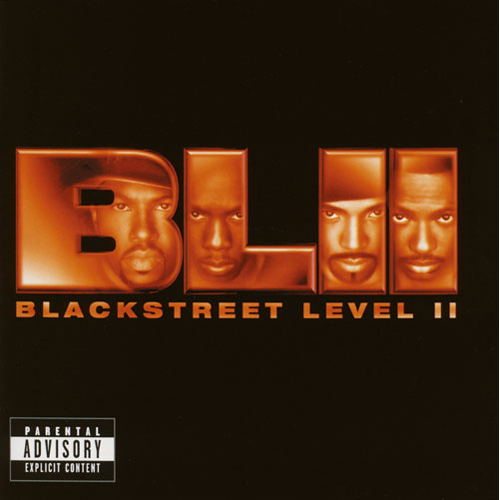
90年代中盤の代表作に見られたNew Jack Swingやヒップホップ・ソウルの要素を残しながら、2000年代初頭の滑らかなコンテンポラリーR&Bへ接近している。
明るく跳ねる90年代型のビートではなく、低音を強調した重いドラム、空間的なシンセ、抑制されたコードが中心。
その一方で、ヴォーカルの組み立て方にはBlackstreetらしい濃密さが残されている。
楽器数を増やして豪華に聴かせるというよりも、シンプルなトラックの上に声を重ね続けることで、曲の熱量を高めていく構成だ。
ジャンルとしては、Slow Jam、Contemporary R&B、Urban R&Bを軸にした作品と捉えられる。
第一印象
最初に感じるのは、音の暗さと距離の近さだ。
イントロでは、男性と女性による短い会話が置かれ、曲が始まる前から極めて私的な空間が作られる。
その直後に入るコーラスは、明確なメロディを聴かせるというより、「Deep」という単語を執拗に繰り返す構造。
この反復によって、曲は一度聴いただけでも耳に残る。
しかし、軽快なキャッチーさではない。
同じ言葉を重ねるほど、空気が重くなり、聴き手を曲の内側へ引き込んでいくような中毒性がある。
ビートは比較的タイトだが、ヴォーカルは自由に動き、左右や奥行きの異なる位置から次々と声が現れる。
機械的なトラックと、生々しく乱れる歌声の対比が強烈だ。
サウンド分析
ドラム
ドラムは、約111BPMのテンポをハーフタイム気味に感じさせる重い組み方。
キックは細かく動き回らず、必要な位置に低く置かれている。
スネアやクラップも派手に抜ける音ではなく、短く乾いた質感。
そのため、ビートが曲を前へ押すというより、一定の場所に身体を留めながらゆっくり揺らす感覚がある。
ハイハットには細かな刻みが含まれているものの、前面には出てこない。
リズム全体が低い位置に配置されているため、スロウジャムらしい余白を維持しながらも、ヒップホップ的な硬さが残されている。
特にキックとスネアの間に置かれた空白が重要だ。
この空白へアドリブや息遣いが入り込み、楽器だけでは作れない生々しいリズムを生み出している。
ベース
ベースは旋律を目立たせるタイプではなく、曲全体の床として機能している。
低域が長く残り、キックの下から音場を支えることで、タイトルどおりの「深さ」を物理的に表現している。
低音は太いが、激しく歪んではいない。
輪郭を保ちながらも柔らかく沈み込み、ヴォーカルの下を途切れず流れている。
このベースがあることで、シンプルなコードと反復的なコーラスだけでも音が薄くならない。
ヘッドフォンで聴くと、声が正面から迫る一方、ベースは下から身体を包み込むように感じられる。
「Deep」という言葉は歌詞の意味だけでなく、低域の設計そのものにも反映されている。
シンセ・メロディ
シンセは暗く、やや冷たい電子的な質感。
明るいピアノや華やかなストリングスは前面に出ず、薄いパッド、短い装飾音、余韻の長いコードが空間を埋めている。
楽曲の中心音はC♯マイナー周辺と考えられ、全体に影のある響きが続く。
コード進行は大きく動かず、同じ場所を回り続けるような構成だ。
そのため、メロディの展開よりもヴォーカルの変化へ意識が向く。
背景では高音域のシンセや効果音が控えめに配置され、無機質な光が点滅するような感触を加えている。
ただし、それらは単独で主張しない。
あくまで歌声の湿度や肉体性を引き立てるための背景として使われている。
ミックス・グルーヴ
ミックスの中心にあるのは、楽器よりもヴォーカル。
リードヴォーカルは中央へ近く配置され、バックコーラスは左右に広がっている。
そこへ低い語り声、ファルセット、女性の声、細かなアドリブが奥行きを変えながら入り込む。
コーラスでは複数の声が「Deep」を繰り返し、単語自体がリズム楽器のように使われている。
一方、ヴァースでは声の数を少し抑え、語りに近い低音ヴォーカルを前へ出す。
この密度の変化によって、単純な反復構造でも単調にならない。
後半になるとアドリブが増え、主旋律、バックコーラス、女性ヴォーカル、掛け声が同時に進行する。
整理されたスタジオ録音でありながら、最後には複数の人間が感情のまま声を重ねているような混沌へ近づいていく。
ラップ/ボーカル分析
この曲の主役は、間違いなくヴォーカルアレンジだ。
冒頭では低い男性の声と女性の囁きが会話し、楽曲のテーマを直接提示する。
その後のコーラスでは、複数の男性ヴォーカルが「Deep」を短く区切って反復。
一つ一つの声は比較的シンプルだが、音域や声質の異なるパートを重ねることで、厚い壁のようなハーモニーを作っている。
ヴァースでは、低くざらついた声が、歌唱とラップの中間のようなスタイルで進む。
音程を大きく動かすのではなく、言葉のリズム、語尾の伸ばし方、声の押し引きでグルーヴを作る歌い方だ。
その周囲では、高音の男性ヴォーカルが合いの手を入れ、重要な言葉を繰り返す。
同じ歌詞でも、低いリードが欲望の直接性を表し、高いコーラスが高揚感を加えている。
中盤以降はファルセットやロングトーンが増え、整ったハーモニーから感情的なアドリブへ移行。
終盤の女性ヴォーカルは、男性側の言葉に応答するような役割を果たしている。
これによって、曲が一方的な独白ではなく、男女の掛け合いとして展開していく。
最後には「Come on」の反復、重なるファルセット、低い掛け声、息遣いが入り乱れる。
歌詞の情報量よりも、声の熱、呼吸、反復そのものが感情を伝える構成である。
歌詞・テーマ
歌詞のテーマは非常に直接的だ。
男性が女性へ肉体的な欲望を伝え、一晩中続く親密な関係を描いている。
タイトルの「Deep」は、感情的な深さというより、歌詞上では明確に性的な意味を持つ。
冒頭の会話からすでにその方向性が示され、その後も身体、場所、動きに関する具体的な表現が続く。
「Let me go deep」というフレーズは、コーラスで繰り返されるたびに楽曲の中心的な欲望を強調する。
ヴァースでは、相手を満足させたいという自信、終わらせたくないという執着、夜明けまで続けたいという意志が描かれている。
比喩や遠回しな表現だけで包むのではなく、かなり露骨な言葉を用いているのが特徴だ。
ただし、サウンドは攻撃的ではない。
厚いハーモニー、滑らかなシンセ、緩やかなグルーヴによって、直接的な歌詞を官能的なスロウジャムへ変換している。
また、後半では女性側の声も前へ出てくる。
男性の欲望だけで終わらず、女性が「終わらせたくない」「続けたい」と応答することで、二人の高揚が重なる構成になっている。
歌詞の物語性は複雑ではない。
しかし、反復と掛け合いを重ねることで、時間が止まり、同じ瞬間が長く続いているような感覚を作り出している。
トリビア/制作メモ
「Deep」は、通常のヴァースとコーラスだけで明確に区切るというより、コーラスの反復を軸にヴォーカルを増減させていく楽曲だ。
大まかな流れは、以下のように整理できる。
イントロでは男女の会話と呼吸音を使い、曲の舞台を設定。
続く最初のコーラスで「Deep」という中心フレーズを提示する。
ヴァースでは低音ヴォーカルが具体的な欲望を語り、バックコーラスが要所で応答。
その後、コーラスへ戻るたびにアドリブとハーモニーが増えていく。
中盤では再びヴァースが入り、歌詞表現がさらに直接的になる。
後半では女性ヴォーカルが前面に現れ、楽曲の視点が一時的に変化。
最後は長いアウトロとなり、「Deep」「Come on」などの短い言葉を反復しながら、明確に解決せず余韻を残して終わる。
この曲では、ドラムやコードの大幅な変化よりも、声の人数と配置を変えることで展開を作っている。
一つのフレーズを何度も繰り返しながら、毎回異なる声やアドリブを加える手法は、Blackstreetのコーラスワークを味わううえで重要なポイントだ。
総評
「Deep」は、Blackstreetのヴォーカルグループとしての強さを、極めて官能的な形で示した一曲だ。
約111BPMのビートはハーフタイムの重さを持ち、低く沈むベースと暗いシンセが深夜の密室のような空間を作る。
その中で、低音ヴォーカル、ファルセット、女性の囁き、厚い男性コーラスが少しずつ重なっていく。
曲の構造自体はシンプルだ。
しかし「Deep」という短い言葉を、声質、音域、配置を変えながら反復することで、単調さを中毒性へ変えている。
前半は抑制された誘惑。
中盤は具体的な欲望。
後半は複数の声が制御を失っていくような高揚。
楽器の派手さではなく、声の温度と低域の圧力で聴かせる濃密なスロウR&Bである。
Blackstreetの代表的なヒット曲とは異なる方向性だが、グループのハーモニー、Teddy Rileyのビート感、2000年代初頭のアーバンR&Bが交差した重要な楽曲だ。
聴き終えたあとに残るのは、美しいメロディというより、暗い部屋に熱気だけが漂い続けるような感覚。
「Deep」は、欲望を隠さず、声を重ねるほど深く沈んでいく一曲だ。
今回ご紹介の楽曲の購入はこちらからどうぞ

Blackstreet – Deep | Dark Slow R&B Sinking Deeper Into Desire
Guided in by a woman’s whisper, dark synth textures and a heavy beat slowly rise into view.
Blackstreet’s “Deep” is not a conventional slow jam built around romantic longing or the pain left behind by love.
Low, sinking bass.
Hard-edged drums.
Layers of male harmonies stacked on top of one another.
Inside that dense atmosphere, the song deals directly with physical desire, creating an intensely sensual piece of urban R&B.
The tempo sits at approximately 111 BPM, although the groove feels much closer to a half-time pulse of around 56 BPM.
As a result, the track feels considerably slower and heavier than the BPM number suggests.
There are no dramatic chord changes or major structural shifts.
Instead, Blackstreet gradually raises the temperature through the repetition of one word—
“Deep.”
The density of the vocals becomes the arrangement itself.
Blackstreet’s trademark stacked harmonies meet the mechanical precision associated with Teddy Riley’s production style, creating a sensual space that feels less like a conventional song and more like being locked inside a room late at night.
Artist Introduction
Blackstreet is an American R&B group formed around producer, songwriter, and singer Teddy Riley.
Riley is widely recognized as one of the central figures in the development of New Jack Swing, the style that brought hip-hop-influenced drums together with R&B vocals and songwriting.
Through his work with Guy and later Blackstreet, he continued developing that combination across changing eras of R&B.
Blackstreet became known for songs including “Before I Let You Go,” “No Diggity,” and “Don’t Leave Me,” with one of the group’s greatest strengths being the combination of powerful lead vocals and thick male harmonies.
That quality is immediately apparent on “Deep.”
There is no single voice carrying the entire track alone.
Low-register vocals.
Falsetto.
Spoken lines.
Ad-libs.
Background harmonies.
Female vocals.
They enter and disappear at different moments until the voices of the group begin functioning like one enormous instrument.
Background
“Deep” appears on Blackstreet’s 2003 album Level II.
While retaining elements of the New Jack Swing and hip-hop soul language associated with the group’s earlier work, the track moves closer to the smoother contemporary R&B sound of the early 2000s.
This is not built around the brighter, more bouncing rhythmic feel commonly associated with 1990s New Jack Swing.
Instead, the foundation comes from heavy low-end drums, spacious synth textures, and restrained harmonic movement.
But the vocal construction remains unmistakably Blackstreet.
Rather than making the production sound expensive by constantly adding more instruments, the arrangement builds intensity by continuing to add voices.
The instrumental stays relatively simple.
The vocals become increasingly dense.
That relationship is central to the track.
Stylistically, “Deep” sits primarily within Slow Jam, Contemporary R&B, and Urban R&B.
First Impression
The first thing you notice is how dark and physically close everything feels.
The intro uses a brief exchange between male and female voices, establishing an intensely private setting before the main body of the song has even begun.
Then the chorus arrives.
Instead of introducing an elaborate melodic hook, it repeatedly circles around a single word:
“Deep.”
That repetition makes the song immediately memorable.
But this is not catchy in a bright, lightweight sense.
The more the word repeats, the heavier the atmosphere becomes.
It pulls the listener further inside the track.
The beat itself remains relatively tight and mechanical.
The vocals do the opposite.
They move freely through the stereo field, appearing from different positions and depths.
That contrast is one of the most striking qualities of “Deep”:
the track is controlled, but the voices gradually become less controlled.
Sound Analysis
Drums
The drums make the approximately 111 BPM tempo feel much heavier through a strong half-time sensation.
The kick does not constantly move through the pattern.
Instead, it lands low and deliberately in the places where it matters.
The snare and clap are similarly restrained.
They are short, dry, and relatively hard.
Rather than pushing the song forward aggressively, the drums seem to hold the body in one place and make it move slowly.
There are smaller hi-hat details in the rhythm, but they rarely demand attention.
The entire drum arrangement sits low in the track.
That preserves the open space expected from a slow jam while retaining a distinctly hip-hop-influenced hardness.
The spaces between the kick and snare are particularly important.
Breathing.
Ad-libs.
Small vocal reactions.
They fall into those gaps and create a human rhythm that the drums alone could never produce.
Bass
The bass does not attempt to become the main melody.
It functions as the floor of the entire record.
Low frequencies linger underneath the kick and support the soundstage, physically expressing the idea of depth suggested by the title.
The bass is thick without becoming aggressively distorted.
It maintains enough definition to remain controlled, yet still sinks softly beneath the vocals.
That low-frequency foundation prevents the track from sounding empty despite its limited chord movement and repetitive chorus.
On headphones, the relationship becomes especially noticeable.
The voices seem to approach from directly in front of the listener.
The bass seems to surround the body from underneath.
In that sense, “Deep” is not only a lyrical concept.
It is built directly into the low-end design of the track.
Synths & Melody
The synth textures are dark and slightly cold.
Bright piano and lush orchestral strings are not major features.
Instead, the arrangement uses thin pads, small electronic details, and sustained chords with long tails to fill the space.
The harmonic center appears to sit around C-sharp minor, contributing to the shadowy atmosphere.
The chord movement itself remains limited.
Rather than traveling through a dramatic progression, the song feels as though it keeps circling the same location.
That shifts attention away from harmonic development and toward changes in the vocals.
Subtle high-frequency synth details and effects remain in the background, adding the feeling of cold electronic light flickering somewhere inside the room.
They never attempt to become the main attraction.
Their purpose is to make the warmth, breath, and physicality of the voices feel even more human by comparison.
Mix & Groove
The center of the mix belongs to the vocals more than the instruments.
Lead vocals sit close to the center.
Background harmonies spread outward.
Low spoken voices, falsetto, female vocals, breaths, and smaller ad-libs enter at different depths.
During the chorus, multiple voices repeatedly sing “Deep,” turning the word itself into something almost percussive.
During the verses, the vocal density is reduced slightly.
A lower, more speech-like lead voice comes forward.
That constant adjustment in vocal density keeps the repetitive structure from becoming monotonous.
As the song approaches its ending, the ad-libs multiply.
Lead vocals.
Background harmonies.
Female responses.
Falsetto.
Short vocal calls.
They begin happening simultaneously.
The recording remains technically controlled, but emotionally it starts approaching the sound of several people simply layering their voices according to instinct.
Order slowly gives way to heat.
Rap / Vocal Analysis
The real star of “Deep” is the vocal arrangement.
The opening uses a low male voice and a woman’s whisper to immediately establish the subject and atmosphere.
Then multiple male voices begin repeating “Deep” in short phrases.
Individually, the parts are relatively simple.
But by stacking different registers and vocal textures, Blackstreet turns them into a wall of harmony.
The verses introduce a lower, rougher vocal style that sits somewhere between singing and rhythmic speech.
The melody itself does not move dramatically.
Instead, the groove comes from:
the rhythm of the words,
the length of the phrase endings,
and the way the voice moves closer to and further away from the beat.
Higher male vocals respond around the lead, repeating important words and phrases.
The contrast is effective.
The low lead communicates the physical directness of the desire.
The higher harmonies add excitement and elevation.
As the song progresses, falsetto and sustained notes become more prominent.
The performance gradually moves away from cleanly arranged harmony and toward emotional ad-libbing.
The female vocal later in the track is also important.
She responds to the male perspective, allowing the song to develop as an exchange rather than remaining entirely one-sided.
By the ending, repeated calls, overlapping falsetto, low vocal reactions, and audible breaths begin colliding with one another.
At that point, lyrical information becomes less important.
Heat, breath, repetition, and vocal texture carry the emotion.
Lyrics & Themes
The lyrical subject is extremely direct.
The male perspective expresses physical desire toward a woman and describes an intimate encounter intended to continue through the night.
Within the lyrics, “Deep” primarily carries a sexual meaning rather than referring to emotional depth.
That direction is established almost immediately through the opening exchange.
From there, the lyrics continue with increasingly explicit references to physical intimacy.
The repeated central phrase built around “Let me go deep” reinforces that desire every time the chorus returns.
The verses express confidence in satisfying the partner, reluctance to stop, and the desire to continue until morning.
Rather than hiding everything behind abstract metaphor, the writing is intentionally explicit.
Yet the production itself is not sonically violent.
Thick harmonies.
Smooth electronic textures.
A slow, heavy groove.
Together, they transform the directness of the lyrics into a sensual slow jam rather than something musically aggressive.
The later appearance of the female perspective changes the dynamic slightly.
The track no longer revolves exclusively around what the man wants.
Her responses communicate a desire for the moment to continue as well.
That turns the final section into more of an exchange between the two perspectives.
There is no especially complicated narrative.
Instead, repetition stretches the moment.
The same ideas return again and again until the track creates the sensation that time has slowed down and the night is refusing to move forward.
Trivia / Production Notes
“Deep” is not structured simply as a rigid sequence of verse and chorus sections.
Instead, the arrangement develops primarily by changing the number and placement of the voices around the repeating chorus.
The overall progression can be understood roughly as:
Intro
→ Chorus
→ Verse
→ Chorus
→ Verse
→ Expanded chorus
→ Female vocal response
→ Extended vocal outro
The intro uses conversation and breathing to establish the setting.
The first chorus introduces “Deep” as the central phrase.
During the verses, the lower lead vocal describes the physical desire more directly while background voices respond at key moments.
Each time the chorus returns, additional harmonies and ad-libs begin appearing.
The later verse becomes increasingly explicit.
Then the female vocal moves further forward, briefly changing the perspective of the song.
The ending stretches into an extended outro built around short repeated phrases such as “Deep” and “Come on.”
Rather than reaching a clean musical resolution, the track leaves the atmosphere hanging.
One of the most important production techniques is therefore not a dramatic drum change or chord modulation.
It is vocal accumulation.
The same basic phrase returns repeatedly, but new voices, registers, and ad-libs change its emotional intensity each time.
That makes “Deep” a particularly strong example of Blackstreet’s approach to vocal layering.
Final Thoughts
“Deep” shows Blackstreet’s strength as a vocal group in one of its most intensely sensual forms.
The approximately 111 BPM beat carries the weight of a half-time groove.
Low bass and dark synths create the feeling of an enclosed room late at night.
Inside that space, low-register leads, falsetto, female whispers, and thick male harmonies gradually begin stacking on top of one another.
The structure itself is simple.
But Blackstreet repeatedly changes the tone, register, position, and density of the word “Deep” until repetition becomes hypnotic rather than monotonous.
The first half feels like controlled temptation.
The middle becomes increasingly direct.
By the ending, multiple voices seem to lose that earlier restraint as the ad-libs continue to build.
This is not a track that depends on spectacular instrumentation.
It depends on vocal temperature and low-frequency pressure.
“Deep” moves in a different direction from Blackstreet’s biggest crossover hits, but it highlights the group’s layered harmonies, the hard rhythmic sensibility associated with Teddy Riley, and the darker side of early-2000s urban R&B.
What remains after the song ends is not necessarily one beautiful melody.
It is something more physical:
the feeling of leaving a dark room while the heat is still hanging in the air.
“Deep” does exactly what its title promises.
The more the voices overlap, the further the track seems to sink into desire.

コメント