西海岸ヒップホップにおける夏の曲には、強い日差し、オープンカー、仲間とのドライブ、野外のパーティーといった定番の風景がある。
しかし、Maniac Lokの「Summer Jam」が描く夏は、ロサンゼルスやロングビーチの海岸線を借りたものではない。
ここで鳴っているのは、オレゴン州ポートランドを中心に発展したPacific Northwestヒップホップが、自分たちの街、自分たちの仲間、自分たちの遊び方によって作り上げた夏である。
軽快なドラム、弾むベース、明るい鍵盤、反復される親しみやすいフック。その上でManiac LokとTop Notchは、公園での集合、車列、ピクニック、酒、煙、女性、金、そして地元への誇りを次々と描いていく。
表面的には陽気なサマーチューンだが、その根底には「地方都市のラッパーだからといって、自分たちはローカルだけの存在ではない」という強い自負がある。
「Summer Jam」は、夏の解放感とNorthwestプレイヤーの野心を同時に詰め込んだ、1990年代末のローカル・サマーアンセムである。
アーティスト紹介
Maniac Lokは、オレゴン州ポートランドを拠点とするラッパー。本名はDavid Stephensとされ、1990年代からJus Family Records周辺で活動してきた。
1994年の『Off The Block』、1999年の『I’m Back』は、Pacific Northwestのストリートラップを語るうえで重要な作品として扱われている。Cool Nutzをはじめ、Bosko、G-Ismなど、ポートランドのヒップホップを形作った人物たちとの関係も深い。
また、Maniac Lokの活動圏はポートランドだけに閉じていない。
北カリフォルニアやベイエリアのラッパーとの接点も多く、C-Bo、Yukmouth、E-40、Keak Da Sneakなど、西海岸のストリートラップを代表するアーティストたちとも関わってきた。
「Summer Jam」からも、そうした地域横断的な感覚が伝わってくる。
音楽的には西海岸ラップらしいファンクネスとレイドバック感を持ちながら、歌詞ではNorthwest、ポートランド、地元の仲間たちが強く意識されている。
つまりManiac Lokは、カリフォルニアのスタイルをそのまま模倣するのではなく、West Coast Rapの語法をポートランドの生活へ置き換えていたラッパーなのである。
作品背景
「Summer Jam」は、1999年5月11日にJus Family Recordsから発表されたManiac Lokのアルバム『I’m Back』に収録されている。
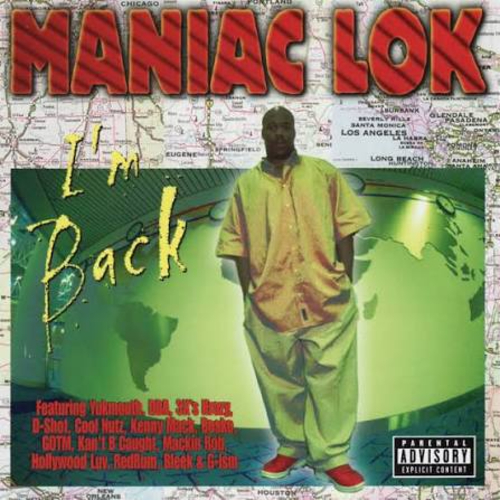
配信版の『I’m Back』は全17曲、約1時間13分の作品で、「Summer Jam」にはTop Notchが参加している。Apple Musicではアルバムの14曲目、Discogs掲載のカセット版では約4分07秒の楽曲として確認できる。
『I’m Back』にはCool Nutz、Yukmouth、3X Krazy、D-Shot、G-Ism、Boskoらが参加し、アルバム全体のエグゼクティブ・プロデューサーにはManiac LokとCool Nutzが記載されている。
その中で「Summer Jam」は、アルバム終盤の空気を一度明るく切り替える役割を持つ。
ただし、単純な息抜き曲ではない。
陽気な夏の風景を使いながら、Maniac Lokは地元での影響力、経済的な自立、音楽活動への自信、Northwestシーンの存在感を表明している。
夏という親しみやすい題材を入口にして、自分たちの街とクルーを広く知らしめるための一曲でもある。
第一印象
イントロから感じられるのは、気負いのない日常感だ。
Maniac LokとTop Notchによる会話が入り、暑い一日の予定、公園での集合、車での移動といった話が交わされる。
大げさな演出によって「夏が始まる」と宣言するのではなく、仲間同士の何気ない会話から、そのまま楽曲の世界へ入っていく。
この自然さが重要である。
リスナーは完成されたミュージックビデオを外側から眺めるのではなく、Maniac Lokたちの電話や会話を偶然聞き、その日の集まりへ誘われたような感覚になる。
トラックも同様に、派手な音の切り替えや攻撃的な低音で圧倒するタイプではない。
明るいコード、丸いベース、軽く跳ねるドラムが一定の温度を保ち、真昼から夕方にかけて車を流すような心地よさを作っている。
ただし、完全に柔らかい曲ではない。
Maniac Lokの声にはざらつきがあり、言葉にもストリートラップ特有の緊張感が残る。
爽快なトラックと硬いラップの組み合わせによって、単なるリゾート音楽ではない「街の夏」が生まれている。
サウンド分析
ドラム
音源解析上のテンポは約99.4 BPM。
体感としても100 BPM前後のミドルテンポで、速すぎず、遅すぎない。車内で首を振るにも、野外で身体を揺らすにも適した速度である。
キックは極端に重く作られておらず、低域を押し潰すというより、ベースラインを下から軽く支えている。
スネアは乾いた質感で、拍の位置を明確に示す。音像の中央付近に置かれ、鋭すぎないが、ラップの言葉が流れすぎないようにリズムを引き締めている。
ハイハットや細かなパーカッションは控えめ。
細密な打ち込みで忙しさを作るのではなく、キックとスネアの大きな往復によってグルーヴを成立させている。
この簡潔なドラム設計が、夏らしい開放感につながっている。
音数を増やしすぎないため、ビートには空間が残り、ラッパーの声や鍵盤の余韻が自然に広がる。
また、ドラムにはわずかな跳ねがある。
完全に機械的な直線ではなく、各音が少し後ろへ体重を預けることで、歩くというより、ゆっくり車を走らせるような横方向の動きが生まれている。
ベース
ベースラインは、この曲の陽気さを支える重要な要素である。
音色は太いが攻撃的ではなく、丸みがあり、短いフレーズを繰り返しながら曲全体を前へ運ぶ。
サブベースだけで床を揺らす現代的な設計とは異なり、中低域にも十分な輪郭がある。そのため、小さなスピーカーで聴いてもベースの動きを把握しやすい。
キックとベースは強く競合せず、それぞれの役割が整理されている。
キックが拍の着地点を示し、ベースがその間をつなぐことで、リズムに弾力が生まれる。
この弾むような低域は、曲中で描かれるドロップトップの車、駐車場、長い車列と相性がよい。
ベースは恐怖や威圧感を演出するためではなく、街を移動する身体感覚を作るために使われている。
シンセ・メロディ
上物の中心には、明るく柔らかなエレクトリックピアノ系のコードがある。
アタックは丸く、音の輪郭を強調するより、コードの余韻と温度を聴かせるタイプだ。
短いフレーズが反復されるため、展開自体は大きくない。しかし、この変化の少なさが、夏の一日がゆっくり続いていく感覚を作っている。
コードには明るさがある一方で、完全に能天気な響きではない。
音源から推定される調性感はAマイナー周辺だが、コードと旋律が強い解決感を避けているため、メジャーとマイナーの境界はやや曖昧である。
結果として、陽光の明るさだけでなく、夕方へ向かうわずかな陰りも感じられる。
典型的なG-Funkに見られる高音の鋭いシンセリードは、前面には出てこない。
その代わり、鍵盤、ベース、コーラス的な声の重なりによって、柔らかいファンク感を作っている。
したがって「Summer Jam」はG-Funkの要素を持ちながらも、派手なシンセリードを主役とする曲ではない。
よりソウルフルで、ラップと日常風景を中心に置いたWest Coast/Northwestファンクと捉える方が自然である。
メロディ・ミックス・グルーヴ
ミックスは、現代的な音源ほど低域と高域を極端に広げていない。
中域にラップ、鍵盤、スネアが集まり、全体がひとつのまとまりとして聴こえる。
ボーカルは十分に前へ出ているが、トラックから完全に分離されてはいない。
Maniac Lokの声も、Top Notchの声も、ビートの中へ半歩入り込んでいる。この距離感が、スタジオで整えすぎた商業作品ではなく、仲間たちが同じ場所に集まって録音したような空気を生み出す。
楽曲のグルーヴは、一貫してレイドバックしている。
ラッパーが拍より極端に後ろへ遅れるわけではないが、言葉を急いで詰め込まず、ビートの広い空間を使っている。
特にフックでは、同じ言葉とメロディが何度も反復される。
この反復は、作曲上の展開を増やすためではなく、参加者全員が口ずさめる共同体的な雰囲気を作るためのものだ。
後半になるほどフックの反復回数が増え、曲が「ラッパーのパフォーマンス」から「その場にいる全員の夏歌」へ変化していく。
ラップ/ボーカル分析
Maniac Lokのラップは、低くざらついた声と、言葉を前へ押し出す発音が特徴的だ。
フロウは基本的に4拍の枠を明確に意識しながら進む。
高度に複雑なリズム変化を連発するのではなく、語尾や韻をビートの要所へ置き、内容をはっきり伝えるタイプである。
第1ヴァースでは、夏の到来、自分たちの音楽、服装、女性、車、金といった要素が素早く提示される。
冒頭から曲の設定を説明する役割を持ちながら、同時にManiac Lok自身のラッパーとしての自信も打ち出している。
言葉の流れには、軽いユーモアと誇張がある。
暑さ、女性、酒、煙、車といったモチーフが連続し、写実的な日記というより、理想化された夏の一日が組み立てられていく。
第2ヴァースでは、車で街を流し、公園や駐車場へ集まり、ピクニックやパーティーを行う風景が中心になる。
ここでは一人の成功よりも、仲間の数や車列の長さ、その場の熱気が強調される。
Maniac Lokのラップも、個人の自慢から集団の描写へ広がり、曲全体がローカル・アンセムとして機能し始める。
第3ヴァースでは、再び金やハスリング、ラッパーとしての立場、地元シーンへの意識が前面に出る。
夏を楽しむためには金が必要であり、遊びと稼ぎは切り離せないという現実的な視点が加わる。
このため、曲は最後まで単なる快楽主義にはならない。
楽しさの裏側に、ストリートで生きるための経済感覚と競争意識が残されている。
Top Notchは、イントロや合いの手、フック周辺でManiac Lokとの会話的な関係を作る。
一人で完結するラップではなく、複数人が声を交わすことで、街の集まりをそのまま録音へ持ち込んだような臨場感が生まれている。
フックのボーカルは歌唱力を前面に出すタイプではない。
シンプルな旋律と短い言葉を繰り返し、誰でも参加できるチャントに近い形を取る。
その素朴さが、この曲には合っている。
滑らかすぎるR&Bコーラスを置けば、曲はより都会的で洗練された印象になったかもしれない。しかし、ここでは少し荒く、集団で声を重ねるようなフックによって、地域密着型のパーティー感が保たれている。
歌詞・テーマ
ポートランドから発信される夏
歌詞の中心にあるのは、夏の街で仲間と過ごす時間だ。
公園への集合、車での移動、駐車場、ピクニック、酒、煙、女性、音楽など、夏の定番風景が次々と描かれる。
しかし、この曲の地理的な軸はカリフォルニアではない。
歌詞ではNorthwestやポートランドへの言及があり、Maniac Lokは自分たちの地域にも独自のプレイヤー文化とサマーシーズンがあることを示している。
この点が「Summer Jam」を単なる西海岸風サマーチューンから、Pacific Northwestのローカルアンセムへ変えている。
夏と金
歌詞の中では、夏を楽しむことと金を稼ぐことが密接に結びついている。
車、服、旅行、酒、パーティーには金が必要であり、何も持たずに遊ぶだけではプレイヤーとして成立しないという価値観がある。
夏は仕事から解放される季節ではなく、むしろ自分の成功や経済力を見せる季節として描かれる。
冬の間に稼いだ金を夏に使うだけでなく、夏にも稼ぎ続ける。
この感覚によって、曲の陽気さには常に現実的な緊張が加わっている。
仲間と車列
この曲では、個人の高級車一台よりも、仲間たちが連なって移動する光景が印象的だ。
複数の車が街区を抜け、公園や駐車場へ集まる。
車は単なる移動手段ではなく、所属、成功、スタイルを示す記号である。
同時に、車列は仲間の多さと地域における存在感を視覚化する。
Maniac Lokが描いているのは、孤独なスターの夏ではない。
仲間、車、音楽、地元の空間が一体となった共同体の夏である。
ローカルとワールドワイド
アウトロでは、Maniac Lokが自分たちは特定の地域だけに閉じた存在ではないという趣旨を強く語る。
地元を名乗ることと、地元だけに限定されることは違う。
ポートランド出身であることを誇りながら、自分の音楽と活動は他都市へ届くという自信を示している。
この発言によって、楽曲全体の意味が少し変わる。
「Summer Jam」は、仲間と楽しく過ごした一日の記録であると同時に、ポートランドのプレイヤー文化を外部へ見せるためのショーケースでもあったことが分かる。
ローカルな具体性を守りながら、より広い西海岸、さらには全米へ進出しようとする野心。
その二重性こそ、1990年代末のNorthwestヒップホップが持っていた重要なエネルギーである。
トリビア
「Summer Jam」は、配信では「Summer Jam (feat. Top Notch)」と表記され、1999年の『I’m Back』に収録されている。
アルバムの公開クレジットでは、Maniac LokとCool Nutzがエグゼクティブ・プロデューサーとして記載されている。アルバム全体にはBosko、Dubb Flexx、Torrey Wardらのプロデューサー表記があるが、今回確認できた公開情報だけでは「Summer Jam」単独のプロデューサーを確定できなかった。
また、楽曲のサンプリング元を裏付ける信頼できる資料も確認できていない。
トラックにはソウル/ファンク由来と思われる質感があるものの、具体的な楽曲名を元ネタとして挙げることは避けるべきである。
制作メモ
確認できる情報
- 収録アルバム:『I’m Back』
- リリース年:1999年
- 配信上の発売日:1999年5月11日
- レーベル:Jus Family Records
- 客演:Top Notch
- アルバム収録順:14曲目
- 公式掲載尺:約4分07秒
- アルバムのエグゼクティブ・プロデューサー:Maniac Lok、Cool Nutz
音源解析・聴感ベース
- 推定テンポ:約99.4 BPM
- 調性感:Aマイナー周辺。ただしメジャー/マイナーの印象は曖昧
- ドラム:乾いたスネアと丸いキックを中心とした簡潔な構成
- ベース:中低域に輪郭を持つ、弾力のある反復型
- 上物:エレクトリックピアノ系の柔らかいコードが中心
- 構成:会話イントロ、ヴァース、反復フックを軸に進行
- ミックス:中域中心で、ボーカルとトラックの一体感を重視
- 全体像:G-Funk的なレイドバック感を含むNorthwest/West Coastサマーラップ
総評
Maniac Lokの「Summer Jam」は、夏という普遍的な題材を使いながら、ポートランドの街とPacific Northwestヒップホップの存在感を明確に示した楽曲である。
ビートだけを聴けば、明るい鍵盤、弾むベース、ミドルテンポのドラムによる親しみやすいサマーチューンだ。
しかし歌詞へ耳を向けると、その中には地元への誇り、仲間との連帯、金への意識、ラッパーとしての競争心、ローカルの枠を越えようとする野心が詰め込まれている。
特に優れているのは、そうした主張を重く見せない点だ。
Maniac Lokは説教や長い説明によってNorthwestの重要性を訴えるのではなく、車を走らせ、仲間を集め、公園で騒ぎ、音楽を鳴らす姿を描く。
「自分たちにも夏があり、自分たちにも街があり、自分たちにも文化がある」。
その事実を、楽しげな一日の風景によって証明している。
サウンドには、後年の洗練されたサマーヒットのような派手さはない。
構成も比較的単純で、フックの反復も多い。
だが、その素朴さがローカル作品ならではの魅力につながっている。
スタジオで完璧に作り込まれた架空の夏ではなく、Maniac Lokと仲間たちが実際に過ごしていたであろうポートランドの夏の温度が、そのまま音に封じ込められているからだ。
「Summer Jam」は、Pacific Northwestにも西海岸の夏文化が確かに存在したことを伝える、温かく、力強い一曲である。
エディターズノート
夏のヒップホップというと、どうしてもロサンゼルス、ロングビーチ、オークランドなど、カリフォルニアの都市が中心に語られやすい。
「Summer Jam」は、その地図を少し北へ広げてくれる。
Maniac Lokが描くポートランドの夏には、カリフォルニア産G-Funkと共通する車、ファンク、女性、仲間、パーティーがある。
一方で、Northwestという言葉を意識的に掲げ、自分たちが外部から軽視されることへの反発も見せる。
この曲における夏は、単なる季節ではない。
普段は大都市の影に隠れがちなローカルシーンが、公園や駐車場を一時的に自分たちのステージへ変える瞬間である。
陽気なフックの奥に、地方都市から全国へ届こうとする意志がある。
その野心まで聴き取ったとき、「Summer Jam」は懐かしい夏曲ではなく、1999年のポートランドが発した自己宣言として響いてくる。
Maniac Lok – Summer Jam | A Pacific Northwest Summer Anthem Filled with Local Pride and Player Ambition
When people think of summer songs in West Coast hip-hop, certain images immediately come to mind: blazing sunshine, convertibles, cruising with friends, and outdoor parties.
But the summer depicted in Maniac Lok’s “Summer Jam” is not borrowed from the coastlines of Los Angeles or Long Beach.
What we hear instead is a summer created by the Pacific Northwest hip-hop scene centered around Portland, Oregon—a summer defined by its own city, its own people, and its own way of having a good time.
Light, bouncing drums, a buoyant bassline, bright keyboards, and an instantly accessible repeated hook provide the backdrop as Maniac Lok and Top Notch move through scenes of meeting up at the park, rolling in convoys, picnics, drinking, smoking, women, money, and pride in their hometown.
On the surface, it is an upbeat summer track. Underneath, however, lies a strong sense of self-belief: just because they come from a regional scene does not mean they intend to remain regional artists.
“Summer Jam” captures both the freedom of summertime and the ambition of Northwest players, making it a distinctly local summer anthem from the end of the 1990s.
Artist Introduction
Maniac Lok is a rapper based in Portland, Oregon. Reportedly born David Stephens, he has been active since the 1990s and became closely associated with the circle surrounding Jus Family Records.
His 1994 album Off The Block and 1999 release I’m Back are both significant works within the history of Pacific Northwest street rap. He also maintained close ties with figures who helped shape Portland hip-hop, including Cool Nutz, Bosko, and G-Ism.
At the same time, Maniac Lok’s musical network was never limited to Portland.
He developed connections with rappers from Northern California and the Bay Area and became associated with prominent West Coast street-rap figures such as C-Bo, Yukmouth, E-40, and Keak Da Sneak.
That cross-regional perspective can also be felt in “Summer Jam.”
Musically, the track carries the funkiness and laid-back character commonly associated with West Coast rap, while its lyrics remain firmly rooted in the Northwest, Portland, and Maniac Lok’s local circle.
In that sense, Maniac Lok was not simply imitating California rap. He was translating the language of West Coast hip-hop into the everyday life and identity of Portland.
Background
“Summer Jam” appears on Maniac Lok’s album I’m Back, released through Jus Family Records on May 11, 1999.
The digital edition of I’m Back contains 17 tracks and runs for approximately one hour and thirteen minutes. “Summer Jam,” featuring Top Notch, appears as track 14 on Apple Music, while the cassette edition listed on Discogs gives the song a running time of approximately 4:07.
The album features appearances from Cool Nutz, Yukmouth, 3X Krazy, D-Shot, G-Ism, Bosko, and others, with Maniac Lok and Cool Nutz credited as executive producers for the project.
Within the album sequence, “Summer Jam” provides a noticeable lift in atmosphere toward the latter portion of the record.
Yet it should not be dismissed as a simple breather.
Through its cheerful summertime imagery, Maniac Lok also expresses his local influence, economic independence, confidence as an artist, and belief in the significance of the Northwest scene.
Summer provides an accessible entry point, but the song also functions as a vehicle for introducing his city and crew to a wider audience.
First Impression
The first thing that stands out is how casual and natural the opening feels.
The track begins with a conversation between Maniac Lok and Top Notch, touching on the heat, plans for the day, meeting up at the park, and getting around town.
Rather than dramatically announcing the arrival of summer, the song simply allows the listener to enter its world through an everyday exchange between friends.
That natural quality is essential.
Instead of watching a polished summer music video from the outside, the listener feels as though they have accidentally overheard Maniac Lok and his friends talking—and have suddenly been invited to join them for the day.
The production works in much the same way.
Rather than overwhelming the listener with dramatic transitions or aggressive low end, bright chords, rounded bass, and lightly bouncing drums maintain a consistent temperature throughout the track. The result feels ideal for cruising from midday into the early evening.
Still, “Summer Jam” is not completely soft.
Maniac Lok’s voice retains a rough texture, while his delivery preserves some of the tension associated with street rap.
The contrast between the refreshing instrumental and the harder vocal presence is what transforms the track from simple resort music into a portrait of summer in the city.
Sound Analysis
Drums
Audio analysis places the tempo at approximately 99.4 BPM.
It also feels close to 100 BPM in practice: neither particularly fast nor slow, but comfortably positioned for both cruising in a car and moving to the beat at an outdoor gathering.
The kick is not excessively heavy. Rather than dominating the low end, it lightly supports the bassline from underneath.
The snare has a relatively dry character and clearly defines the pulse. Positioned close to the center of the mix, it is sharp enough to keep the rhythm focused without becoming harsh or distracting from the vocals.
Hi-hats and smaller percussion elements remain restrained.
Instead of creating movement through dense programming, the groove is built around the broad back-and-forth relationship between kick and snare.
That simplicity contributes directly to the song’s open summertime atmosphere.
Because the arrangement is not overcrowded, there is plenty of room for the rappers’ voices and the decay of the keyboards to spread naturally through the mix.
There is also a subtle bounce to the drums.
The rhythm never feels completely rigid or mechanical. Individual hits seem to lean slightly backward, creating a horizontal sense of motion that resembles slowly cruising through the city rather than marching straight ahead.
Bass
The bassline is one of the most important elements behind the track’s upbeat personality.
Its tone is thick without becoming aggressive, with a rounded character that repeatedly carries short phrases forward.
Unlike modern productions that rely heavily on sub-bass to physically shake the floor, the bass here maintains substantial definition in the low-mid frequencies. As a result, its movement remains easy to follow even through smaller speakers.
The kick and bass do not compete heavily with one another.
The kick establishes the rhythmic landing points while the bass connects the spaces between them, giving the groove its elasticity.
That bouncing low end fits naturally with the lyrical imagery of drop-tops, parking lots, and long convoys of cars.
The bass is not being used to create fear or intimidation. Its primary purpose is to translate movement through the city into sound.
Synths & Melody
The upper layers are centered around bright, soft electric-piano-style chords.
The attack is rounded, emphasizing warmth and sustain rather than sharply defined edges.
Short phrases repeat throughout the track, meaning the harmonic development itself is relatively limited. Yet this lack of dramatic change works in the song’s favor, creating the sensation of a summer day slowly unfolding without interruption.
The chords are bright, but they are not completely carefree.
Audio-based analysis suggests a tonal center somewhere around A minor, although the harmony and melody avoid strong resolution, making the boundary between major and minor somewhat ambiguous.
The result contains not only the brightness of afternoon sunshine but also a subtle sense of shadow—as though evening is gradually approaching.
The piercing high-register synth leads commonly associated with classic G-Funk are not pushed to the front of the arrangement.
Instead, the track builds its softer funk character through keyboards, bass, and layered vocal textures.
“Summer Jam” therefore contains elements associated with G-Funk without making the trademark lead synthesizer its defining feature.
It is more naturally understood as a soulful form of Northwest/West Coast funk built around rap, groove, and everyday scenery.
Melody, Mix & Groove
The mix does not exaggerate the extreme low and high frequencies in the way many modern recordings do.
The vocals, keyboards, and snare are concentrated in the midrange, allowing the track to sound like a cohesive whole.
The vocals are clearly audible, but they are not completely separated from the instrumental.
Both Maniac Lok and Top Notch sit slightly inside the beat rather than floating above it. This creates the impression of people recording together in the same environment rather than a highly polished commercial production in which every element has been isolated.
The groove remains consistently laid-back.
Neither rapper sits dramatically behind the beat, but they avoid rushing or overcrowding their lines, making effective use of the instrumental’s open spaces.
The hook is particularly dependent on repetition.
The same words and melodic ideas return again and again, not to increase compositional complexity, but to create a communal atmosphere in which everyone present could participate.
As the song progresses, the hook becomes increasingly dominant.
Gradually, “Summer Jam” begins to feel less like an individual rapper’s performance and more like a summer song belonging to everyone at the gathering.
Rap / Vocal Analysis
Maniac Lok’s delivery is characterized by a low, rough voice and an assertive pronunciation that pushes his words forward.
His flow generally maintains a clear awareness of the four-beat framework.
Rather than constantly introducing complex rhythmic variations, he places key words, rhyme endings, and emphatic phrases at strategic points in the beat, prioritizing clarity and direct communication.
The first verse quickly establishes the arrival of summer alongside references to music, clothing, women, cars, and money.
It serves as an introduction to the song’s setting while simultaneously asserting Maniac Lok’s confidence as a rapper.
There is also a degree of humor and exaggeration in the writing.
Heat, women, alcohol, smoke, and cars appear in quick succession, constructing something closer to an idealized summer day than a strictly realistic diary entry.
The second verse shifts more heavily toward cruising through the city, gathering at parks and parking lots, picnics, and parties.
Here, the emphasis moves away from individual success toward the size of the group, the number of cars, and the collective energy of the gathering.
Maniac Lok’s perspective expands from personal boasting into a portrait of community, allowing the track to function more clearly as a local anthem.
By the third verse, money, hustling, his position as a rapper, and awareness of the local scene return to the foreground.
The song introduces the practical idea that enjoying summer requires money and that leisure cannot be completely separated from earning.
Because of this, “Summer Jam” never becomes pure hedonism.
Beneath the celebration remains an awareness of economics, competition, and the realities of surviving within a street environment.
Top Notch contributes to the conversational atmosphere through the intro, ad-libs, and hook-related sections.
The presence of multiple voices prevents the track from feeling like an isolated solo performance. Instead, the exchanges recreate the atmosphere of a neighborhood gathering within the recording itself.
The hook is not designed to showcase technical singing ability.
Its simple melody and short repeated phrases function more like a chant that almost anyone could join.
That simplicity suits the song perfectly.
A smoother R&B chorus might have made the record sound more sophisticated and metropolitan. Instead, the slightly rough, collective quality of the hook preserves the feeling of a locally rooted summer party.
Lyrics & Themes
A Summer Broadcast from Portland
At the center of the lyrics is the experience of spending summer in the city with friends.
Meeting at the park, cruising, parking lots, picnics, alcohol, smoke, women, and music appear one after another as familiar pieces of summertime imagery.
But geographically, the song is not centered on California.
References to the Northwest and Portland establish that Maniac Lok is presenting a region with its own player culture and its own version of summer.
That distinction transforms “Summer Jam” from a West Coast-inspired seasonal track into a distinctly Pacific Northwest local anthem.
Summer and Money
Throughout the lyrics, enjoying summer and making money are closely connected.
Cars, clothing, travel, alcohol, and parties all cost money, and the song reflects a worldview in which simply having fun without economic power is not enough to establish oneself as a player.
Summer is therefore not presented as an escape from work.
Instead, it becomes another season in which success and financial strength can be displayed.
Money is not merely earned during winter and spent during summer—the hustle continues even when the party is underway.
That perspective adds a constant undercurrent of reality to the track’s otherwise cheerful atmosphere.
Friends and Convoys
One of the most memorable images in “Summer Jam” is not a single luxury vehicle but a group of friends moving together in a long line of cars.
They travel through the neighborhood before gathering at parks and parking lots.
Cars function as more than transportation. They represent affiliation, success, and personal style.
At the same time, the convoy visually represents the size of the crew and its presence within the neighborhood.
The summer Maniac Lok describes does not belong to an isolated star.
It belongs to a community in which friends, cars, music, and local spaces all become part of the same experience.
Local and Worldwide
During the outro, Maniac Lok strongly emphasizes the idea that he and his people are not confined to a single regional market.
Being proud of where you come from is not the same as accepting geographical limitations.
He can represent Portland while still believing that his music and activities can reach other cities.
That statement subtly changes the meaning of the entire song.
“Summer Jam” is not only a record of one enjoyable day with friends. It also becomes a showcase for Portland’s player culture aimed at listeners beyond the city.
Protecting local specificity while aspiring toward the broader West Coast and eventually the national stage—this tension is one of the defining energies behind late-1990s Northwest hip-hop.
Trivia
On digital services, the song is listed as “Summer Jam (feat. Top Notch)” and appears on the 1999 album I’m Back.
Available album credits list Maniac Lok and Cool Nutz as executive producers. Producers credited elsewhere across the album include Bosko, Dubb Flexx, and Torrey Ward, but the publicly available information reviewed here is not sufficient to definitively identify the producer responsible specifically for “Summer Jam.”
Likewise, no reliable source has been confirmed that identifies a specific sample used in the track.
The production certainly carries textures reminiscent of soul and funk, but without supporting documentation, naming a specific source recording would be speculative.
Production Notes
Confirmed Information
- Album: I’m Back
- Release year: 1999
- Digital release date: May 11, 1999
- Label: Jus Family Records
- Featured artist: Top Notch
- Album sequence: Track 14
- Listed running time: approximately 4:07
- Album executive producers: Maniac Lok and Cool Nutz
Audio Analysis / Listening-Based Observations
- Estimated tempo: approximately 99.4 BPM
- Tonal center: around A minor, although the major/minor character remains somewhat ambiguous
- Drums: simple arrangement centered around a dry snare and rounded kick
- Bass: elastic, repetitive bassline with clear low-mid presence
- Instrumentation: primarily soft electric-piano-style chords
- Structure: conversational intro followed by verses and repeated hooks
- Mix: midrange-focused, emphasizing cohesion between vocals and instrumental
- Overall character: Northwest/West Coast summer rap with a laid-back, G-Funk-adjacent sensibility
Overall Review
Maniac Lok’s “Summer Jam” uses the universal subject of summertime to make the presence of Portland and Pacific Northwest hip-hop unmistakably clear.
On a purely musical level, it is an accessible summer track built from bright keyboards, bouncing bass, and mid-tempo drums.
Listen more closely to the lyrics, however, and the record reveals something more substantial: hometown pride, loyalty to friends, financial awareness, competitive ambition as a rapper, and the desire to move beyond the limitations of a regional scene.
What makes the song particularly effective is that none of these ideas are presented in an overly serious way.
Maniac Lok does not deliver a lecture about the importance of the Northwest. Instead, he demonstrates it by cruising through the city, gathering his friends, taking over the park, and turning up the music.
The message is essentially simple:
They have their own summer, their own city, and their own culture.
And rather than explaining that culture from a distance, “Summer Jam” proves its existence through the sound and imagery of a good day spent outside.
The production does not possess the glossy spectacle of later mainstream summer hits.
Its structure is relatively straightforward, and the hook repeats extensively.
But that simplicity is part of its appeal.
This does not feel like an imaginary summer perfected inside a studio. It feels closer to the temperature of a real Portland summer experienced by Maniac Lok and the people around him, preserved inside the recording.
“Summer Jam” is therefore a warm but assertive reminder that the Pacific Northwest had its own place within the broader culture of West Coast summertime rap.
Editor’s Note
When summer hip-hop is discussed, the conversation naturally tends to revolve around California cities such as Los Angeles, Long Beach, and Oakland.
“Summer Jam” pushes that map a little farther north.
Maniac Lok’s Portland summer shares several familiar ingredients with California G-Funk culture: cars, funk, women, friends, and parties.
At the same time, his deliberate emphasis on the Northwest reveals an awareness that his region was often overlooked by outsiders.
In this song, summer is therefore more than a season.
It is the moment when a local scene that usually exists in the shadow of larger cities temporarily transforms parks, parking lots, streets, and cars into its own stage.
Behind the cheerful hook lies the determination of an artist trying to make himself heard beyond his hometown.
Once that ambition becomes audible, “Summer Jam” stops sounding merely like a nostalgic summer record.
It begins to sound like a declaration from Portland in 1999.
コメント