自分の街についてラップする楽曲には、その土地の名前を広く知らしめるだけでなく、そこで暮らす人々の記憶や誇りを音楽の中に封じ込める役割がある。
Treeoの「B.C. City」は、ミシガン州バトルクリークを意味する“B.C.”をタイトルに掲げた、明確なローカル・アンセムである。
しかし、そのサウンドは荒々しい威圧感だけで街を表現するものではない。Roger Troutman feat. Shirley Murdockの「Chocolate City」から取り込んだ、滑らかで甘いファンクの質感を土台にしながら、地元への誇り、仲間意識、ストリートの日常をゆったりとしたグルーヴの中へ落とし込んでいる。
約4分32秒を通して鳴っているのは、大都市の成功物語ではない。
全国的には見過ごされがちな街を、自分たち自身の言葉と音で中心地へ変えていく。その姿勢こそが、「B.C. City」の核心である。
アーティスト紹介
Treeoについて確認できる公開情報は非常に限られている。
活動の中心となったのは、ミシガン州南西部のバトルクリーク周辺と考えられる。地元メディアも『Welcome To Battle Creek City Of The Cereal』を、Battle Creekを代表するローカル・アーティストたちによる作品として紹介している。
全国的な知名度を獲得したメジャー・アーティストというより、地元の生活圏、仲間、街の呼び名を音源として残した地域密着型の存在として捉えるべきだろう。
作品背景
「B.C. City」は、2000年に発表されたアルバム『Welcome To Battle Creek City Of The Cereal』の1曲目に収録されている。
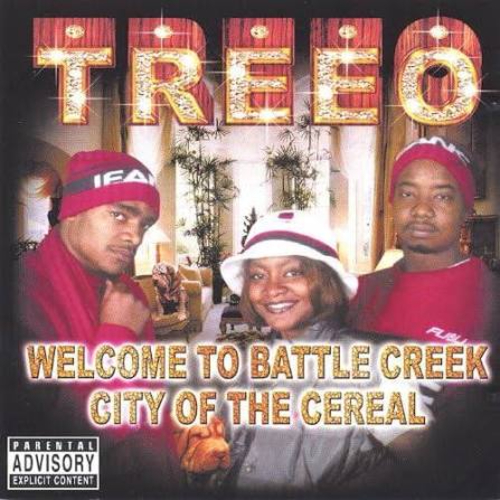
公開されているトラックリストでは収録時間は4分32秒となっている。
アルバム・タイトルは直訳すれば「バトルクリークへようこそ」。
つまり本作は、単にTreeo個人を紹介するアルバムではなく、バトルクリークという土地そのものを聴き手へ案内する作品として構成されている可能性が高い。その冒頭に置かれた「B.C. City」は、アルバム全体の玄関口であり、街の看板を掲げるオープニング・ナンバーとして機能している。
バトルクリークはミシガン州カルフーン郡に位置する都市で、シリアル産業との深い結びつきから“Cereal City”の愛称でも知られている。
デトロイトやフリントのように、ヒップホップ史の中で頻繁に語られる都市ではない。だからこそ「B.C. City」というタイトルには、自分たちの街も独自の文化、物語、音楽を持っているという自己主張が込められている。
第一印象
最初に感じるのは、曲名から想像されるほど攻撃的ではないことだ。
街の名を掲げたローカル・アンセムでありながら、トラックには温かさと艶がある。Roger Troutmanの「Chocolate City」に由来する柔らかな鍵盤、丸いベース、甘い歌声のニュアンスが、曲全体を包み込んでいるからだ。
テンポは実測でおよそ88 BPM。
速さで押し切るのではなく、ビートの隙間へ声を沈めることができるミドル・テンポである。車内で流したときにも身体が自然に揺れるような、クルージング向きの速度感を持っている。
イントロは比較的静かに始まり、サンプルの存在感と街を紹介する空気を整えてから、ドラムとラップが本格的に入ってくる。以降は大きくトラックを変形させず、同じムードを維持することで「B.C. City」という場所の空気へ聴き手を長く滞在させる。
派手な展開ではなく、空間そのものを聴かせるタイプの楽曲である。
サウンド分析
ドラム
ドラムは、強烈な硬さよりも安定感を重視している。
キックは低域を大きく膨らませるというより、ベースラインの下を一定の力で支える設計だ。スネアも鋭く飛び出すタイプではなく、やや乾いた質感で配置され、サンプルの滑らかさを壊さない。
このドラムの役割は、トラックを前へ押し出すことより、ラッパーが落ち着いて言葉を置ける地面を作ることにある。
約88 BPMのテンポに対して、キックとスネアが過剰に細かく動かないため、ビートには大きな余白が生まれている。そこへラップ、コーラス、アドリブが重なっても窮屈にならない。
ハイハットや高域のパーカッションも、前面で細かく主張するより、拍の流れを補助する程度に抑えられている。2000年前後の派手なメジャー作品と比べるとシンプルだが、この簡潔さがローカル作品らしい直接性を生んでいる。
ベース
低音は、この曲の重心を決める重要な要素である。
ベースはアタックを鋭く立てるのではなく、丸みのある音色で長めに残る。そのため、ドラムと低音が個別に跳ねるというより、ひとつの厚い床のように曲を支えている。
ここには、Zapp/Roger Troutman系ファンクの影響が明確に感じられる。
ただし、ウェストコーストG-Funkのように高音シンセとベースを派手に対比させるのではない。低音を一定の位置に留め、上で鳴るサンプルの甘さとラップの存在感を支える作りである。
結果として、街を誇示する曲でありながら、威圧的というより堂々とした印象になる。
シンセ/メロディ
メロディ面の中心は、Roger Troutman feat. Shirley Murdock「Chocolate City」由来の素材である。
柔らかなコード感、都会的な艶、歌声の余韻が、曲の感情的な輪郭を作っている。単なる装飾として短く切り取るのではなく、元曲が持つムードを比較的長く残すことで、「B.C. City」の背景そのものとして使用している。
このサンプル選択が非常に興味深い。
元曲の“Chocolate City”という言葉を、Treeoは“B.C. City”という自分たちの都市名へ置き換える。音楽的な引用とタイトルの言葉遊びが結びつき、Rogerの曲が持つ都市への愛着を、バトルクリークのローカルな物語へ移植している。
メロディ自体は明るすぎず、暗すぎない。
夜の街を思わせる落ち着きがありながら、陰鬱さよりも親密さが強い。知らない土地の危険性を演出するのではなく、そこに暮らす者が仲間を案内しているような温度を持っている。
ミックス
ミックスは、現代的な意味で完全に分離されたクリアなサウンドではない。
ボーカル、サンプル、低音がやや近い位置で混ざり合い、全体がひとつの塊として鳴る。特に中域には声とサンプルが集中しており、音数以上に密度を感じる瞬間がある。
一方で、この粗さは弱点だけではない。
ボーカルを極端に前へ押し出さず、トラックの中へ溶け込ませることで、個人の独白というより、街全体から複数の声が聞こえてくるような感覚を作っている。
低域は十分に存在するが、キックだけを巨大化させた現代的なミックスとは異なる。サンプル、ベース、ラップをほぼ同じ空間に置く、2000年前後のインディペンデント作品らしい質感である。
グルーヴ
曲のグルーヴは、前進するというより横へ揺れる。
速いラップや細かなドラム・プログラミングで緊張を作るのではなく、反復されるファンク・ループの中で、各ラッパーが異なる声色と間の取り方を見せる。
そのため、曲の魅力は一度の劇的な変化ではなく、同じループを聴き続けるうちに深まっていく。
サンプルの甘さ、ベースの丸み、ゆったりしたラップが重なり、街を歩くというより、車でゆっくり巡回しているような感覚を生む。
ラップ/ボーカル分析
Treeoのラップは、極端に感情を爆発させるタイプではない。
声には落ち着きがあり、ビートの中心へ強く踏み込むより、後ろへわずかにもたれながら言葉を運ぶ。これによって、約88 BPMのトラックがさらにゆったりと感じられる。
フロウは複雑さを誇示するものではなく、地名、仲間、生活圏に関する言葉を明瞭に伝えることを優先している。街の代表者として聴き手へ語りかけるような、宣言型のデリバリーである。
曲中では声質や配置の異なる複数のボーカルが入り、ひとりの視点だけで完結しない集団的な空気が作られている。
ここが「B.C. City」の重要な点だ。
街について歌う曲でありながら、Treeo個人の成功談だけを中心に置かない。複数の声、アドリブ、コーラスを重ねることで、B.C.という名前が一人ではなくコミュニティによって発せられているように聞こえる。
コーラスは楽曲の主題を簡潔に定着させる役割を果たす。
複雑なメロディを聴かせるというより、街の名を繰り返し耳へ残す。アルバムの冒頭曲としては極めて効果的で、曲を聴き終えた時点で、聴き手の中に“B.C. City”という呼称が刻まれる。
歌詞・テーマ
歌詞の中心にあるのは、バトルクリークへの所属意識である。
ここで語られる街は、観光案内のように客観的に説明される場所ではない。仲間、地域、日常、ストリートでの立ち位置が結びついた、生きた生活圏として描かれる。
「自分はどこから来たのか」
「誰と行動しているのか」
「この街でどのように生きているのか」
そうしたローカル・ラップの基本的な問いに対して、Treeoは“B.C. City”という名前そのものを答えとして提示している。
大都市出身であることを権威として利用するのではなく、全国的には小さく見える街を自分たちの手で大きく見せる。その姿勢には、インディペンデント・ヒップホップ特有の反骨心がある。
また、サンプリング元との関係を考えると、タイトルは単なる地名の略称以上の意味を持つ。
Roger Troutmanの「Chocolate City」が持つ甘美な都市イメージを引用しながら、それをBattle Creekへ置き換えることで、Treeoは自分たちの街も音楽的な魅力と誇りを持つ“City”なのだと宣言している。
つまり本曲は、ローカルな現実を語るストリート・ラップであると同時に、既存のファンク文化へ自分たちの街を接続する作品でもある。
サンプリング&トラックメイキング
本曲では、**Roger Troutman feat. Shirley Murdock「Chocolate City」**の使用が確認できる。
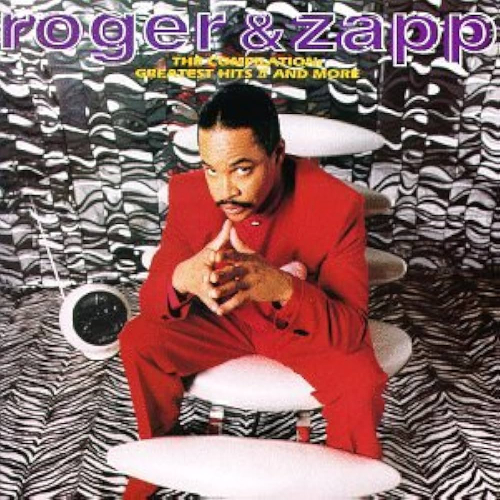
Roger Troutmanの「Chocolate City」は、Shirley Murdockをフィーチャーした楽曲で、1996年の映画『A Thin Line Between Love and Hate』関連作品として発表された。Roger自身がプロデュースし、Roger Troutman、Shirley Murdock、Dale DeGroatの共作としてクレジットされている。
重要なのは、Treeoが単に心地よいファンク曲を選んだのではなく、「Chocolate City」から「B.C. City」へ都市名の概念を変換していることである。
トラックメイキング上では、元曲の滑らかなコード、柔らかいボーカル感、ロマンティックな空気を残しながら、その上へ硬めのヒップホップ・ドラムとラップを加えている。
サンプルは細かく分解され、元の姿が判別できなくなるほど加工されているわけではない。むしろ出典のファンク感を積極的に聴かせ、その音色が持つ文化的な記憶まで利用している。
この方法によって、楽曲には二つの時間軸が生まれる。
一つは、Roger Troutmanが象徴する1980年代から1990年代のファンク/R&B文化。
もう一つは、2000年のBattle Creekで活動するローカル・ラッパーたちの現在である。
Treeoは過去のファンクをそのまま再現するのではなく、自分たちの街の主題歌へ作り替えている。サンプルが懐かしさだけで終わらず、地元のアイデンティティを強める装置として機能している点が、本曲のトラックメイキングにおける最大の特徴である。
トリビア/制作メモ
アルバムについて
『Welcome To Battle Creek』は2000年発表、全13曲・約59分の作品として登録されている。「B.C. City」はその1曲目であり、アルバムの方向性を示す導入曲である。
YouTube上のアルバム紹介では、レーベル名としてHouse Of Treez、ジャンルとしてHip Hop、スタイルとしてGangsta Rap/G-Funkが記載されている。ただし、これは公式ライナーノーツではなく投稿情報であるため、補助的資料として扱う必要がある。
地域性について
地元メディアの記事では、Treeo、Ms. Daisy、J-TaylorらがBattle Creekを代表する楽曲を制作したと紹介されている。少なくとも地域内では、この作品が単なる個人アルバムではなく、街を象徴する記録として認識されていたことがうかがえる。
音源解析メモ
今回提供された音源の長さは約4分32秒。
テンポ解析では約87.6 BPMで、聴感上は約88 BPMのミドル・テンポとして捉えられる。
冒頭約15秒は本編より音量が控えめで、イントロとしてサンプルのムードを提示。その後はラップとドラムが入り、曲の大部分で安定した音圧を維持する。
終盤では一度密度が下がる箇所を挟み、最後は余韻を残しながらフェード気味に閉じていく。派手なビートチェンジを用いず、同じ街の空気を最後まで保つ構成である。
総評
Treeoの「B.C. City」は、バトルクリークという土地を全国規模のヒップホップ地図へ書き込もうとするローカル・アンセムである。
その魅力は、街への誇りを大声だけで表現していない点にある。
Roger Troutman feat. Shirley Murdock「Chocolate City」の甘く滑らかなファンクを借りることで、Battle Creekを危険な街として一面的に描くのではなく、仲間、記憶、日常が存在する居場所として鳴らしている。
ドラムは簡潔で、ベースは丸く、ラップはゆったりしている。劇的な展開や高度な音響処理よりも、サンプルが生み出す空気と複数の声による地域性を優先した作品だ。
メジャー作品のような洗練とは異なるが、その少し粗い音像の中には、2000年前後のローカル・ヒップホップが持っていた切実さが残っている。
自分たちの街が誰にも紹介されないのなら、自分たちで紹介する。
自分たちの街に公式なテーマ曲がないのなら、自分たちで作る。
「B.C. City」は、そうしたインディペンデント精神を、Roger Troutman由来の温かなファンクへ乗せた一曲である。
エディターズノート
「B.C. City」を特別な作品にしているのは、知名度の低い土地を題材にしていることそのものではない。
重要なのは、TreeoがBattle Creekを縮小された地方都市として扱わず、ひとつの文化圏、ひとつの中心地として堂々と提示していることだ。
Roger Troutmanの「Chocolate City」を引用した選曲も、その姿勢と一致する。
元曲のタイトルに含まれる“City”という大きな言葉を借りながら、Treeoはそこへ“B.C.”を置く。するとBattle Creekは、単なる地図上の小都市ではなく、ファンクが鳴り、ラップが生まれ、仲間たちの物語が存在する音楽都市へと変わる。
サンプリングとは、過去の音を借りる行為だけではない。
別の時代、別の場所に存在した感情を、自分たちの現在へ引き寄せる行為でもある。
「B.C. City」は、そのことを静かに証明するローカル・クラシックである。
Treeo – B.C. City | A Local Anthem That Puts Battle Creek on the Hip-Hop Map
Songs that represent an artist’s hometown often do more than simply mention a place on the map. They preserve the memories, pride, and identity of the people who live there, turning a city into something listeners can hear as well as imagine.
Treeo’s “B.C. City” is a clear example of that tradition. Named after Battle Creek, Michigan, the track serves as a proud local anthem that celebrates the city through music.
Yet its strength does not come from aggression alone. Built upon the smooth, soulful atmosphere of Roger Troutman feat. Shirley Murdock’s “Chocolate City,” the song transforms silky funk into a soundtrack for hometown pride, neighborhood loyalty, and everyday street life.
Across its 4 minutes and 32 seconds, “B.C. City” tells no story of fame or major-city success.
Instead, it turns a city often overlooked on the national stage into the center of its own universe. That independent spirit is the heart of this record.
Artist
Very little publicly documented information exists about Treeo.
Available evidence suggests the group was active around Battle Creek in southwestern Michigan. Local media has referred to Welcome To Battle Creek City Of The Cereal as a project created by artists representing Battle Creek itself.
Rather than viewing Treeo as a nationally recognized rap act, it is more accurate to see them as community-based artists who documented their neighborhood, friendships, and local identity through music.
Background
“B.C. City” opens Treeo’s 2000 album Welcome To Battle Creek City Of The Cereal.
The track runs approximately 4:32, making it both the album’s introduction and its mission statement.
The album title literally welcomes listeners to Battle Creek, suggesting that the project functions less as an artist showcase than as an invitation into the city’s culture.
As the opening song, “B.C. City” acts as the front door to that experience.
Battle Creek, located in Calhoun County, Michigan, is widely known as “Cereal City” because of its historic connection to the cereal industry.
Unlike Detroit or Flint, however, Battle Creek rarely appears in mainstream discussions of hip-hop history.
That context gives the title “B.C. City” additional weight. It proudly declares that Battle Creek possesses its own culture, stories, and music worthy of recognition.
First Impression
The first surprise is how warm the record sounds.
Although its title suggests a hard-hitting hometown anthem, the production carries remarkable smoothness and elegance. Soft keyboards, rounded bass lines, and soulful vocal textures borrowed from Roger Troutman’s “Chocolate City” wrap the song in a relaxed atmosphere.
The tempo measures roughly 88 BPM, creating an ideal cruising groove.
Rather than relying on speed or intensity, the beat leaves plenty of room for the rappers to settle naturally into the pocket.
The introduction begins quietly, allowing the sample to establish the mood before the drums and verses arrive.
From there, the production intentionally avoids dramatic changes, keeping listeners immersed in the atmosphere of Battle Creek instead of chasing constant musical surprises.
It is a song built around space rather than spectacle.
Sound Analysis
Drums
The drums emphasize consistency over sheer impact.
The kick supports the bass instead of dominating it, while the snare remains dry and restrained, preserving the smoothness of the sample.
Rather than driving the track aggressively forward, the drums provide a stable foundation that allows the MCs to deliver their verses comfortably.
Because the kick and snare maintain relatively simple patterns at approximately 88 BPM, the beat leaves generous open space.
This creates enough breathing room for verses, ad-libs, and chorus vocals without ever feeling overcrowded.
Hi-hats and upper percussion remain understated as well.
Compared to many polished major-label productions released around 2000, the drum programming is noticeably simpler—but that simplicity contributes to the straightforward charm often associated with independent regional hip-hop.
Bass
The bass establishes the emotional center of the record.
Instead of emphasizing sharp attacks, it delivers warm, sustained low frequencies that blend naturally with the drums.
Rather than hearing separate kick and bass elements, listeners experience them as one solid foundation.
The influence of Roger Troutman and Zapp-style funk is unmistakable.
Unlike many West Coast G-Funk productions that contrast booming bass with bright synthesizers, “B.C. City” keeps its low end steady and supportive, allowing both the sample and the vocals to remain at the forefront.
The result feels confident rather than intimidating.
Melody
The melodic identity of the song comes directly from Roger Troutman feat. Shirley Murdock’s “Chocolate City.”
Its lush chords, polished atmosphere, and soulful vocal textures define the emotional character of Treeo’s record.
Instead of chopping the sample into tiny fragments, the production preserves much of its original mood, allowing it to function as the emotional backdrop of “B.C. City.”
This creative decision is particularly meaningful.
Treeo transforms the concept of “Chocolate City” into “B.C. City,” replacing one city’s identity with another.
The sample becomes more than a musical quotation—it becomes a symbolic transfer of civic pride.
The melody itself avoids extremes.
It is neither overtly cheerful nor dark.
Instead, it creates the relaxed feeling of driving through the city at night with friends, inviting listeners into the neighborhood rather than portraying it as dangerous or mysterious.
Mix
The mix does not pursue the ultra-separated clarity common in modern productions.
Vocals, bass, and samples occupy similar sonic space, producing a unified wall of sound.
The midrange is particularly dense, where voices and melodic samples overlap naturally.
Rather than feeling like a technical flaw, this contributes to the song’s communal atmosphere.
Instead of presenting one rapper standing in front of the instrumental, the mix suggests multiple voices emerging from the same environment.
The low end remains full without exaggerating the kick drum, reflecting the sonic character of many independent hip-hop releases from the early 2000s.
Groove
The groove moves sideways rather than forward.
Instead of generating excitement through rapid-fire flows or intricate drum programming, the song relies on the hypnotic repetition of its funk loop while different vocalists contribute distinct voices and rhythms.
Its appeal grows gradually over repeated listens.
The combination of warm samples, rounded bass, and relaxed performances creates the sensation of slowly cruising through the streets rather than rushing toward a destination.
Rap / Vocal Performance
Treeo delivers their verses with calm confidence rather than explosive emotion.
Their voices lean slightly behind the beat, making the already laid-back 88 BPM groove feel even more relaxed.
The flows prioritize clarity over technical complexity.
Street names, hometown references, and neighborhood identity remain easily understandable, reinforcing the song’s role as a declaration of civic pride.
Multiple vocalists appear throughout the record, creating a collective rather than individual perspective.
This is one of the song’s defining strengths.
Instead of focusing on one artist’s personal success story, “B.C. City” presents Battle Creek as a community speaking with many voices.
The chorus reinforces that purpose by repeatedly emphasizing the city’s name.
As the album’s opening track, it effectively leaves listeners remembering “B.C. City” long after the song ends.
Lyrics & Themes
At its core, “B.C. City” is about belonging.
Battle Creek is not presented as a tourist destination but as a lived environment shaped by friendships, neighborhoods, and everyday experiences.
The song repeatedly answers three fundamental questions common to local rap:
- Where do we come from?
- Who do we represent?
- How do we live?
Treeo answers each of them with the same phrase:
B.C. City.
Rather than borrowing prestige from a famous metropolitan area, the group elevates their own hometown.
That attitude reflects the independent spirit found throughout regional hip-hop.
The relationship between the title and its sample deepens this message.
By transforming Roger Troutman’s “Chocolate City” into “B.C. City,” Treeo symbolically claims that Battle Creek deserves the same musical identity and cultural significance.
The song therefore functions simultaneously as a hometown anthem and as a continuation of the broader funk tradition.
Sampling & Trackmaking
“B.C. City” incorporates elements from Roger Troutman feat. Shirley Murdock’s “Chocolate City.”
Originally released in connection with the 1996 film A Thin Line Between Love and Hate, the song was produced by Roger Troutman and credited to Roger Troutman, Shirley Murdock, and Dale DeGroat.
What makes Treeo’s use of the sample especially compelling is its conceptual purpose.
Rather than borrowing a pleasant funk groove alone, they transform the very idea of “Chocolate City” into “B.C. City.”
The production retains the original song’s smooth chord progression, soulful vocals, and romantic atmosphere while layering harder hip-hop drums and hometown-focused verses above it.
The sample is not heavily disguised.
Instead, its recognizable funk identity remains intact, allowing listeners to experience both the musical nostalgia and the cultural memory attached to Roger Troutman’s work.
This creates two timelines within one record.
One reaches back to the funk and R&B traditions of the 1980s and 1990s.
The other captures the reality of Battle Creek’s local rap scene in 2000.
Rather than recreating classic funk, Treeo reshapes it into a musical identity for their own hometown.
That transformation represents the production’s greatest achievement.
Trivia / Production Notes
Album Information
Welcome To Battle Creek City Of The Cereal was released in 2000 and contains 13 tracks with a total running time of approximately 59 minutes.
As the opening track, “B.C. City” establishes both the musical direction and thematic purpose of the album.
Some online sources list the label as House Of Treez and classify the project under Gangsta Rap and G-Funk.
Because these details originate from user-submitted online databases rather than official liner notes, they should be treated as supplemental information rather than verified documentation.
Local Significance
Local media has highlighted Treeo alongside artists such as Ms. Daisy and J-Taylor as musicians representing Battle Creek.
This suggests that the album served not only as a personal artistic statement but also as a cultural document for the city’s local hip-hop community.
Audio Analysis Notes
The supplied recording runs approximately 4 minutes and 32 seconds.
Tempo analysis measures around 87.6 BPM, effectively functioning as an 88 BPM mid-tempo groove.
The opening fifteen seconds remain relatively restrained, introducing the sample before the drums and verses enter.
The arrangement remains remarkably consistent throughout, with only minor reductions in density toward the ending before fading naturally.
Rather than relying on dramatic beat switches, the production sustains the same atmosphere from beginning to end.
Overall Review
Treeo’s “B.C. City” is a local anthem determined to place Battle Creek on hip-hop’s cultural map.
Its greatest strength lies in the way it expresses hometown pride without relying solely on aggression.
By drawing upon the warmth and soul of Roger Troutman feat. Shirley Murdock’s “Chocolate City,” Treeo portrays Battle Creek not simply as a tough neighborhood but as a place filled with friendships, memories, and everyday life.
The drums remain understated.
The bass is warm and rounded.
The flows stay relaxed.
Instead of dazzling listeners with elaborate production techniques, the song prioritizes atmosphere, community, and identity.
Its sound may lack the polish of major-label releases, but that slight roughness preserves the sincerity that defined so much independent hip-hop around the turn of the millennium.
If no one else is going to introduce your hometown to the world, introduce it yourself.
If your city has no official anthem, create one.
That independent philosophy is exactly what makes “B.C. City” an enduring regional classic.
Editor’s Note
What makes “B.C. City” remarkable is not simply that it celebrates an overlooked town.
More importantly, Treeo refuses to present Battle Creek as a forgotten small city.
Instead, they confidently portray it as its own cultural center.
Their use of Roger Troutman’s “Chocolate City” perfectly supports that vision.
By replacing “Chocolate City” with “B.C. City,” Treeo transforms Battle Creek from a small dot on the map into a place where funk lives, rap thrives, and local stories deserve to be heard.
Sampling is more than borrowing sounds from the past.
It is also the act of carrying emotions from another place and another era into the present.
“B.C. City” quietly demonstrates exactly how powerful that process can be.
コメント