1990年代のウェストコースト・ラップには、タイトルや歌詞が示す荒々しさとは対照的に、驚くほど穏やかで美しいサウンドを持つ楽曲が存在する。
Flexxの「O.G. Ridahz feat. Young Dre」は、まさにその魅力を凝縮した一曲だ。
約6分08秒という長尺の中を流れるのは、鋭く攻撃的なビートではない。柔らかく沈むドラム、丸みのあるベース、空間を漂うようなシンセサイザー、そして夏の日差しがゆっくりと傾いていくようなメロディである。
しかし、その穏やかさは単なるリラックス感では終わらない。
FlexxとYoung Dreのラップには、ストリートで積み重ねてきた経験、自分たちの立場への自負、簡単には崩れない仲間意識が刻まれている。美しいトラックの上で語られるからこそ、その言葉は威嚇ではなく、長い時間を生き抜いてきた者の証言として響く。
「O.G. Ridahz」は、派手な展開や過剰な装飾で聴き手を引きつける作品ではない。
一定のグルーヴを保ちながら、低い車高で街を流すようにゆっくりと前進する。その余裕こそが、本曲の描く“OG”の姿なのである。
アーティスト紹介
Flexxは、1990年代後半のウェストコースト・インディー・ラップ周辺で活動したカリフォルニア出身のラッパーである。
現在の配信サービスではFlexxarally名義で登録されている場合があり、同名のユーロダンス・グループやJ-Flexxとは別のアーティストとして区別する必要がある。
Flexxに関する詳細な経歴やインタビューなどは、現在確認できる範囲では非常に少ない。一方、1997年に発表されたセルフタイトル・アルバム『Flexx』には、DJ Quik、AMG、Volume 10、Young Dreなど、南カリフォルニアのラップ・シーンと結びつく名前が並んでいる。
アルバムには、「Break Bread feat. DJ Quik & AMG」「Raised in the Hood feat. Volume 10」「Low Rider Thang feat. Kill Roy」などが収録されており、Flexxが当時のウェストコースト・ネットワークの中で作品を制作していたことがうかがえる。
確認できる作品から見る限り、Flexxは華やかなスター性を押し出すというより、地域の人間関係、ストリートでの経験、ローライダー文化、仲間とのつながりを、落ち着いた語り口で表現するタイプのラッパーだったと考えられる。
作品背景
「O.G. Ridahz feat. Young Dre」は、1997年に発表されたアルバム『Flexx』の1曲目に収録されている。
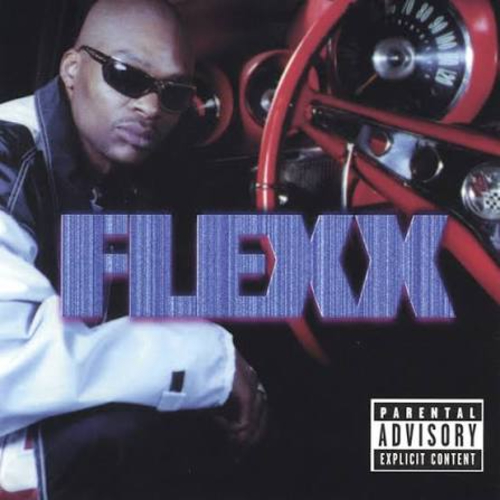
配信版では1997年9月23日リリースと記載され、アルバムは全17曲、約1時間13分の作品として登録されている。レーベル表記はFlexxworld Records/Nine Streetである。
CDおよびカセット版の掲載情報でも、本曲はアルバム冒頭に置かれ、Young Dreがフィーチャリング参加していることが確認できる。
6分を超える楽曲をアルバムの1曲目に配置する構成は印象的だ。
短いイントロや即効性の高いシングル曲で始めるのではなく、ゆったりとしたグルーヴの中でFlexxの世界観を時間をかけて提示する。これは単なる収録順ではなく、アルバム全体への入口として機能している。
1997年という時期は、ウェストコースト・ラップの音楽的な中心が変化していた時代でもある。
G-Funkの黄金期を象徴した作品群が一巡し、メジャー市場ではより硬質で簡潔なビートや、新しい南部・中西部のサウンドが存在感を増し始めていた。
その一方、地域密着型のインディー作品では、シンセサイザー、重いベース、ファンクやソウルの引用、ゆったりしたドラムを用いたウェストコースト・サウンドが引き続き作られていた。
「O.G. Ridahz」は、そのような時代の境目に残された楽曲として聴くことができる。
第一印象
最初に耳を引くのは、ギャングスタラップにありがちな緊張感ではなく、広く開けた空間である。
ビートが鳴り始めても、サウンドは前へ急がない。音と音の間には十分な余白が残され、リズム全体がゆっくりと呼吸している。
音源解析上のテンポは約152BPMとして検出されるが、実際の体感はその半分にあたる約76BPMで捉えるのが自然だ。
ハイハットや細かな打音を基準にすれば倍速で数えられるものの、キックとスネアが作る身体的なグルーヴは明確にスローテンポである。
この低速のビートに、明るさと寂しさを同時に含んだ上物が重なる。
晴れた昼間のクルージングにも合うが、完全な祝祭感ではない。むしろ、長い一日が終わりに近づき、街の景色が少しずつオレンジ色に変わっていく時間帯を思わせる。
そこにFlexxとYoung Dreの低く落ち着いた声が加わることで、本曲は単なるサマー・チューンではなくなる。
若さを誇示する楽曲ではなく、すでに多くの出来事を経験した人物が、自分の立場を静かに確認するような作品である。
サウンド分析
ドラム
ドラムは非常にゆったりとしており、一音ごとの間隔が広い。
キックは低い帯域に重量を持ちながら、現代的なサブベースのように過剰に膨らむことはない。硬く前に飛び出すというより、車体の下から路面を押すように鳴っている。
スネアは乾きすぎず、わずかな残響を伴っている。
鋭い破裂音で緊張感を作るタイプではなく、曲全体の柔らかな質感を壊さないように配置されている。そのためビートは重いが、威圧的にはなりすぎない。
ハイハットや細かなパーカッションは、グルーヴを細かく刻む役割を担っている。
ただし、リズムの複雑さを誇示するような派手な打ち込みではない。基本となるパターンを保ちながら、ラップの合間にわずかな変化を加え、6分を超える長さの中で流れが停滞するのを防いでいる。
フィルインも控えめだ。
大きなブレイクや劇的なドラムチェンジを作るのではなく、曲のムードを維持することが優先されている。この一貫性が、ローライダーで一定速度を保ちながら街を流しているような感覚につながっている。
ベース
ベースは本曲の身体性を支える中心的な要素である。
極端に前へ出るタイプではないが、常にドラムの下を太く支え、楽曲全体に丸みを与えている。音色はエレクトリックベース的な温かさと、シンセベース的な安定感の中間にある。
フレーズは複雑ではない。
基本となるコード感に沿って低音を反復し、必要な箇所でわずかに動く。そのシンプルさが、上物の浮遊感を引き立てている。
ベースが細かく動きすぎないため、ラップが言葉を詰め込んでも楽曲全体は窮屈にならない。
また、低音の余韻が次のキックまで残ることで、ビートには横方向への流れが生まれている。この感覚は、足元を強く打つダンス向けの低音というより、車内で長時間浴びることを想定したウェストコースト的な低音設計に近い。
シンセ/メロディ
本曲の印象を決定づけているのは、背景を漂う長いシンセサイザーと、切なさを帯びたメロディである。
高音域には、光が水面で反射するような柔らかな響きが配置されている。音色自体は明るいが、コード進行にはわずかな陰りがあり、単純な幸福感には着地しない。
この明暗の共存が重要だ。
トラックだけを取り出せば、夏、開放感、クルージング、仲間との時間といったイメージが浮かぶ。しかし、旋律の奥には過ぎ去った時間を振り返るような感傷がある。
さらに、背景の音は完全に固定されているわけではない。
長く伸びる音、短い装飾音、声に反応するような細かなフレーズが重なり、同じループが続いているようでいて、聴感上は少しずつ景色が変化していく。
劇的な転調やサビでの急上昇はない。
それでも飽きにくいのは、主旋律、コード、低音、声の位置関係が丁寧に作られているためである。
ミックス
ミックスは、低音だけを極端に強調する設計ではない。
ドラム、ベース、シンセ、ラップがそれぞれ一定の距離を保ち、楽器同士が押し合わない。特に中音域に余裕があり、ボーカルがトラックの中へ自然に収まっている。
ラップは過剰に明るく処理されず、少し暗めの質感を残している。
そのため、声だけが現代的に浮き上がることがなく、楽器と一体化して聞こえる。FlexxとYoung Dreの声質の違いも、音量差を強調するのではなく、それぞれのキャラクターとして伝わる程度に整理されている。
ステレオ空間には広がりがあるが、中心は常に安定している。
左右の上物が空気を広げ、中央のキック、スネア、ベース、ラップが曲の軸を作る。この構造により、イヤホンでも車内でも、グルーヴの中心を見失いにくい。
アップロード音源の平均的なエネルギーは十分に高いものの、強い圧縮で全編を押しつぶした印象はない。
大きな音で聴いても呼吸感が残り、6分間を通して耳が疲れにくい仕上がりである。
グルーヴ
本曲のグルーヴは、縦方向ではなく横方向に進む。
一拍ごとに身体を強く跳ねさせるのではなく、肩を揺らしながら長く乗り続ける感覚がある。約76BPMの低速テンポと、後ろへ寄ったスネアの感触、持続する低音がこの横揺れを作っている。
重要なのは、演奏が遅いだけではないという点だ。
各音が微妙に余韻を残し、次の音へ滑り込むため、ビートが途切れない。ドラムの間にある空白さえも、グルーヴの一部になっている。
この“急がなさ”は、曲が描くOG像とも結びついている。
勢いだけで自分を大きく見せるのではなく、時間と経験を持つ者として落ち着いて振る舞う。その姿勢が、ラップの内容だけでなく、ビートの速度と音数によって表現されている。
ラップ/ボーカル分析
Flexxのラップは、低い重心と落ち着いた発声を特徴としている。
声を張り上げたり、語尾を過度に強調したりせず、ビートの中へ身体ごと沈み込むように言葉を置いていく。フロウには余裕があり、1小節の中へ必要以上に言葉を詰め込まない。
このスタイルは、トラックのスローなグルーヴと非常に相性が良い。
テンポが遅い楽曲では、間を恐れて言葉を増やすと、かえってビートの魅力が失われることがある。しかしFlexxは、声を発していない瞬間も含めて自分のバースを組み立てている。
言葉と言葉の間に余白を残すことで、韻や語尾の響きがはっきりと残り、発言の重みが増している。
Young Dreの参加は、楽曲に別の温度を与えている。
Flexxと共通するストリート志向を持ちながらも、声の輪郭や言葉の運びには違いがあり、長尺曲の中に自然な変化が生まれている。一人のラッパーが6分間を押し切るのではなく、二人の視点が交差することで、“OG Ridahz”というタイトルが個人ではなく複数形の共同体として響く。
二人のパートは、競争的なマイクリレーというより、同じ価値観を共有する者同士の証言に近い。
どちらが目立つかを競うのではなく、それぞれが自分の立場から同じ世界を語る。そのため、フィーチャリング曲でありながら分断感がなく、一つの長い物語として聴くことができる。
フックも、派手な歌唱で曲調を変える役割ではない。
繰り返される言葉と声の響きによってテーマを定着させ、バースとバースをつなぐ。サビで一気に感情を解放する構造ではなく、曲全体を通して同じ体温を維持している。
歌詞・テーマ
本曲の中心にあるのは、“OG”という言葉に込められた自意識である。
OGは一般に“Original Gangster”の略として使われるが、ウェストコースト・ラップの文脈では、単に犯罪歴や攻撃性を誇るだけの言葉ではない。
長く地域に根を張ってきた人物、困難を生き抜いた人物、若い世代から一定の敬意を受ける人物、軽々しく態度を変えない人物といった意味合いを含む。
「O.G. Ridahz」でも、OGであることは瞬間的な強さではなく、生き方の継続として表現されている。
タイトルに使われた“Ridahz”も重要だ。
“Rider”は車に乗る者という直接的な意味を持つ一方、ヒップホップでは仲間と行動を共にする者、困難な状況でも退かない者、自分の側に忠実な者を指す場合がある。
そのため、本曲のタイトルは単なる“OGたちのドライブ曲”ではない。
長く同じ場所を生き、同じ仲間と動き、自分たちの姿勢を守り続ける者たちの宣言として読むことができる。
歌詞では、自己紹介、地域への帰属意識、仲間との結束、外部への警戒、ストリートでの経験などが語られている。
ただし、曲全体の感情は激しい怒りではない。
過去の経験を振り返りながら、自分が何者であるかを落ち着いて確認していく。そこには誇りと同時に、簡単には言葉にできない疲労や感傷も感じられる。
この複雑さは、トラックの明るさと切なさの共存によってさらに強調される。
もし同じラップが暗く硬いビートの上に置かれていれば、作品はより直接的な威嚇として聞こえただろう。しかし「O.G. Ridahz」では、暖かなメロディが言葉を包み込むことで、OGという存在の人間的な側面が浮かび上がる。
強さを語りながら、その背後にある時間、喪失、仲間への情、過去への記憶まで感じさせる楽曲である。
サンプリング&トラックメイキング
サンプリング情報データベースWhoSampledでは、「O.G. Ridahz」がKool & the Gangの**「Summer Madness」のライブ音源**を使用していると登録されている。
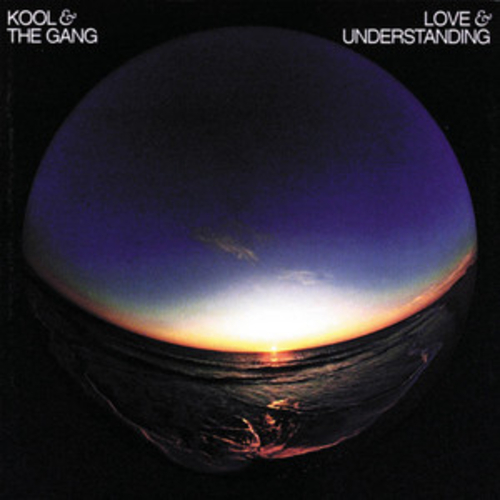
「Summer Madness」は、浮遊するシンセサイザー、ゆったりしたコード進行、夏の気だるさと哀愁を同時に感じさせるサウンドで知られる楽曲である。
「O.G. Ridahz」で聞こえる、長く伸びるシンセと淡いメロディの質感にも、その影響は明確に表れている。
重要なのは、元ネタの華やかな部分だけを抜き出しているのではなく、時間が止まったような感覚を利用している点だ。
「Summer Madness」の持つ浮遊感を、FlexxとYoung Dreのストリート・ナラティブの背景へ配置することで、楽曲は単純なギャングスタラップから、記憶や人生を振り返る作品へと広がっている。
また、サンプル由来の滑らかな音像に、太いキック、乾いたスネア、低く安定したベースを加えることで、原曲のジャズ・ファンク的な空気をウェストコースト・ヒップホップへ変換している。
元ネタの上品さを壊さず、ラップが必要とする重さだけを足している点に、トラックメイキングの巧さがある。
なお、『Flexx』の作品クレジットにはDJ Quikを含む複数のプロデューサー名が確認できるが、公開ページ上の表記だけでは、「O.G. Ridahz」の個別プロデューサーを確実に特定できない情報もある。したがって、本記事では本曲をDJ Quik制作と断定しない。
トリビア
「O.G. Ridahz」は、現在の主要配信サービスでは、FlexxではなくFlexxarally名義で表示されることがある。
曲名についても、「O.G. Ridahz」「O.G Ridahz」「O.G. Ridhaz」など複数の表記が確認できる。CD・カセット掲載情報では「O.G. Ridhaz」と記されている例があり、配信版では「O.g Ridahz」とされている。
また、アルバム『Flexx』は1997年作品として掲載される一方、配信ページの著作権表示には1998年が記載されている場合がある。
これはオリジナル発売年とデジタル配信時に使用された権利表記の違いである可能性があるが、現在確認できる公開情報だけでは詳細な経緯までは特定できない。
アルバムは17曲構成で、「O.G. Ridahz」が1曲目、その後に「F.L.E.X.X.」「Cheeze at Last」「The Game Don’t Last Forever」などが続く。
さらに、DJ QuikとAMGを迎えた「Break Bread」、Volume 10を迎えた「Raised in the Hood」など、当時の南カリフォルニア・ヒップホップとの接点を示す楽曲が含まれている。
制作メモ
音源の再生時間は、実測で約6分08秒。
配信サービスおよびディスコグラフィー上の6分07秒から6分08秒という表記とも、ほぼ一致している。
テンポ解析では約152BPMが検出されるが、これは細かなリズムを基準にした倍取りである。楽曲の実際の拍感は半分の約76BPMと考えるのが適切だ。
構成上は、冒頭約30秒を使ってトラックのムードを定着させ、その後に長いラップ・セクションへ入る。
約2分前後までに主要なモチーフが提示されるが、後半で大きく別のビートへ切り替わることはない。基本ループを保ちながら、ボーカルの交代、細かな音の抜き差し、フックの反復によって展開を作る。
5分前後を過ぎても急いで曲を終わらせず、最後まで同じグルーヴを維持する。
終盤では主要な声と楽器が少しずつ整理され、余韻を残しながらフェードに近い感覚で閉じていく。この長いアウトロも、アルバムの入口として聴き手を作品世界へ沈める役割を果たしている。
6分という長さは、現代の楽曲感覚ではかなり長い。
しかし本曲では、曲を短く切り上げないこと自体が美学になっている。目的地へ急ぐのではなく、ドライブそのものを楽しむような構成である。
総評
Flexxの「O.G. Ridahz feat. Young Dre」は、ウェストコースト・ラップの魅力が、強い言葉や派手なシンセリードだけでは成立しないことを示す一曲だ。
約76BPMのスローなビート、丸みのあるベース、広がりを持つシンセ、Kool & the Gang「Summer Madness」由来とされる浮遊感。
それらが重なり、明るさ、哀愁、誇り、記憶が同じ空間に存在している。
FlexxとYoung Dreのラップも、ビートを押しのけて前へ出るのではなく、その中に深く沈み込んでいる。
二人が示すOG像は、声を荒らげて支配力を証明する人物ではない。経験を積み、自分の場所を知り、仲間との関係を守りながら、静かに街を進む人物である。
1997年という時代、6分を超える構成、ローカル作品ゆえの情報の少なさも含め、本曲には現在の効率的な音楽制作では失われやすい時間感覚が残されている。
何かが劇的に起こるわけではない。
しかし、変わらないビートの中に長く身を置くことで、最初は穏やかに聞こえたメロディが、次第に切なく感じられてくる。
そこに「O.G. Ridahz」の本当の深みがある。
エディターズノート
「O.G. Ridahz」を聴いて印象に残るのは、タイトルの強さとサウンドの美しさの対比である。
“OG”や“Ridahz”という言葉だけを見れば、もっと硬く、攻撃的で、緊張感のある楽曲を想像するかもしれない。
ところが実際に流れてくるのは、夏の夕暮れのように穏やかで、どこか懐かしいトラックだ。
この組み合わせは、決して矛盾ではない。
長くストリートを生きてきた者にとって、強さとは常に怒っていることではない。過去を背負いながら、慌てず、自分の速度で前へ進み続けることも強さである。
本曲の約6分08秒という長さは、その姿勢を音楽そのものに変換している。
短く要点だけを伝えるのではなく、ビートを流し続け、言葉を置き、仲間の声を迎え、余韻まで含めて一つの世界を作る。
華やかなヒット曲の陰に隠れたローカル作品だとしても、この曲が持つ夏の空気とOGの哀愁は、時代を越えて十分に伝わる。
むしろ情報が少ないからこそ、残された音そのものが強く語りかけてくる一曲である。
Flexx – O.G. Ridahz feat. Young Dre | West Coast Street Wisdom Drifting Through a Summer Haze
Some 1990s West Coast rap songs possess an unexpectedly calm and beautiful sound, standing in sharp contrast to the aggression suggested by their titles and lyrics.
Flexx’s “O.G. Ridahz” featuring Young Dre perfectly captures that appeal.
Across its extended runtime of approximately six minutes and eight seconds, the track is not driven by a sharp or confrontational beat. Instead, it unfolds through softly weighted drums, a rounded bassline, synthesizers that seem to drift through open space, and a melody reminiscent of summer sunlight slowly fading toward the horizon.
Yet its peaceful atmosphere is not merely relaxing.
The performances from Flexx and Young Dre carry the weight of street experience, pride in their position, and a sense of loyalty that cannot easily be broken. Because their words are delivered over such a beautiful instrumental, they sound less like threats and more like testimony from men who have endured and survived over time.
“O.G. Ridahz” is not designed to attract the listener through dramatic changes or excessive decoration.
It maintains a steady groove and moves forward slowly, like a lowrider cruising through the city at an unhurried pace. That sense of composure is precisely what defines the image of an “OG” presented by the song.
Artist Introduction
Flexx was a California rapper associated with the independent West Coast rap scene of the late 1990s.
On some modern streaming platforms, his music appears under the name Flexxarally. He should not be confused with the Eurodance group of the same name or with J-Flexx.
Very little detailed biographical information or interview material about Flexx appears to remain publicly available. However, his self-titled 1997 album, Flexx, features names connected to the Southern California rap scene, including DJ Quik, AMG, Volume 10, and Young Dre.
The album includes tracks such as “Break Bread” featuring DJ Quik and AMG, “Raised in the Hood” featuring Volume 10, and “Low Rider Thang” featuring Kill Roy. These collaborations suggest that Flexx was recording within an established West Coast network at the time.
Judging from the material that can currently be verified, Flexx was not an artist primarily concerned with projecting glamorous star power. His music instead focused on neighborhood relationships, street experience, lowrider culture, and loyalty between friends, all delivered through a calm and controlled vocal style.
Background
“O.G. Ridahz” featuring Young Dre appears as the opening track on Flexx’s 1997 album Flexx.
Digital editions list the release date as September 23, 1997. The album contains 17 tracks and runs for approximately one hour and thirteen minutes. Label information is listed as Flexxworld Records and Nine Street.
Available CD and cassette listings also confirm that “O.G. Ridahz” opens the album and features a guest appearance from Young Dre.
Placing a song of more than six minutes at the beginning of an album is a striking decision.
Rather than opening with a short introduction or an immediately accessible single, Flexx takes time to establish his world through a slow-moving groove. The track therefore functions not merely as the first song in the sequence, but as the entrance into the atmosphere of the entire album.
The year 1997 was also a transitional period for West Coast rap.
The defining releases of G-Funk’s commercial peak had already passed, while harder, more concise production styles were beginning to dominate the major-label market. At the same time, sounds emerging from the South and Midwest were gaining greater prominence.
Within regional independent rap, however, producers continued to create distinctly West Coast tracks built around synthesizers, heavy bass, funk and soul references, and relaxed drum programming.
“O.G. Ridahz” can be heard as a recording preserved from that transitional moment.
First Impression
The first thing that stands out is not the tension typically associated with gangsta rap, but the sense of open space.
Even after the beat begins, the music never appears to rush forward. There is plenty of space between each sound, allowing the rhythm to breathe slowly.
Audio analysis may detect the tempo at approximately 152 BPM, but the groove is more naturally understood in half-time at around 76 BPM.
The track can technically be counted at double speed by following the hi-hats and smaller rhythmic details. Physically, however, the kick and snare establish an unmistakably slow pulse.
Over this low-tempo beat sits an instrumental that carries brightness and melancholy at the same time.
It would work perfectly for daytime cruising beneath clear skies, yet it never feels entirely celebratory. Instead, it evokes the point late in the day when the streets gradually begin to turn orange beneath the setting sun.
The low, composed voices of Flexx and Young Dre prevent the track from becoming a simple summer anthem.
This is not a song built around youthful bravado. It feels more like two men who have already witnessed and survived a great deal, calmly reaffirming who they are and where they stand.
Sound Analysis
Drums
The drums are extremely relaxed, with wide spaces between individual hits.
The kick carries substantial weight in the lower frequencies, yet it does not expand excessively like the sub-bass-heavy kicks common in modern production. Rather than striking aggressively from the front of the mix, it feels as though it is pushing against the road from beneath the body of a car.
The snare is not excessively dry and carries a small amount of ambience.
It does not create tension through a sharp, explosive attack. Instead, it is positioned so that it never disrupts the softness of the overall production. As a result, the beat feels heavy without becoming overwhelmingly intimidating.
The hi-hats and smaller percussion details provide movement within the groove.
However, the programming never attempts to impress the listener through complexity. The track maintains a basic rhythmic pattern while introducing subtle variations between vocal passages, preventing the six-minute arrangement from becoming completely static.
The fills are equally restrained.
Rather than creating major breaks or dramatic drum changes, the production prioritizes maintaining the atmosphere. This consistency produces the sensation of moving through the city in a lowrider at a steady speed.
Bass
The bass is central to the physical character of the song.
It is not mixed in an excessively dominant position, but it continually supports the drums from beneath and gives the entire track a rounded shape. Its tone lies somewhere between the warmth of an electric bass and the stability of a synthesized bass sound.
The bassline itself is not complicated.
It repeatedly follows the fundamental harmonic movement and shifts only when necessary. That simplicity allows the floating qualities of the upper instrumentation to become more noticeable.
Because the bass does not move too actively, the instrumental never becomes crowded, even when the rappers deliver denser lines.
The low frequencies also sustain slightly into the space before the following kick, creating a sense of horizontal motion. Rather than being designed for sharp impact on a dance floor, the bass feels engineered to surround the listener for extended periods inside a car.
This is a distinctly West Coast approach to low-end production.
Synths and Melody
The defining elements of the track are its sustained background synthesizers and its quietly emotional melody.
In the upper frequencies, soft tones appear to shimmer like sunlight reflecting across the surface of water. The timbre itself is bright, but the harmony carries a slight shadow, preventing the music from resolving into uncomplicated happiness.
That coexistence of light and darkness is essential.
Taken on its own, the instrumental suggests summer, freedom, cruising, and time spent with friends. Beneath the melody, however, is an emotional quality that feels like someone looking back on years that have already passed.
The background instrumentation is not completely static.
Long sustained tones, brief decorative notes, and smaller phrases that appear to respond to the vocals are layered throughout the track. Although the same basic loop continues, the scenery seems to shift gradually as the song progresses.
There are no dramatic key changes or sudden melodic rises during the hook.
Even so, the track avoids becoming tiring because the relationship between the central melody, harmony, bass, and vocal placement has been carefully balanced.
Mix
The mix is not designed around an exaggerated low end.
The drums, bass, synthesizers, and vocals maintain a comfortable distance from one another without fighting for space. The midrange in particular has enough room for the vocals to sit naturally within the instrumental.
The rapping has not been processed to sound excessively bright.
A slightly dark quality remains in the voices, preventing them from floating unnaturally above the older production. The vocal timbres of Flexx and Young Dre remain distinct, but their differences are presented as character rather than through extreme changes in volume.
The stereo field is wide, yet the center remains stable.
The instrumentation spreads outward to the left and right, while the kick, snare, bass, and vocals establish a strong central axis. This makes the core groove easy to follow through headphones or in a car system.
Although the uploaded recording maintains a healthy overall level of energy, it does not sound as though it has been crushed by excessive compression.
Even at higher volume, the music retains a sense of breathing room, allowing the listener to remain inside the track for six minutes without fatigue.
Groove
The groove moves horizontally rather than vertically.
It does not force the body to jump sharply on every beat. Instead, it encourages a long, continuous shoulder movement. The slow tempo of approximately 76 BPM, the slightly laid-back feel of the snare, and the sustained low end all contribute to this side-to-side motion.
The important point is that the track does not simply sound slow.
Each sound leaves a subtle trail before sliding into the next, preventing the rhythm from ever feeling disconnected. Even the empty spaces between the drums become part of the groove.
This refusal to hurry is closely connected to the image of the OG presented by the song.
The characters do not attempt to appear powerful through speed or uncontrolled aggression. They move with the confidence of people who possess time, experience, and an established position.
That attitude is communicated not only through the lyrics, but through the tempo and the amount of space within the production.
Rap and Vocal Analysis
Flexx’s delivery is defined by its low center of gravity and composed vocal tone.
He does not shout or place excessive emphasis on the endings of his lines. Instead, he positions each word as though his entire body is sinking into the beat. His flow remains spacious, avoiding the temptation to overfill each bar.
This style works especially well with the track’s slow groove.
On a low-tempo song, a rapper may attempt to fill every empty space with additional words, which can easily weaken the appeal of the beat. Flexx instead constructs his verses around the moments when he is not speaking as much as the moments when he is.
By leaving space between phrases, he allows the rhymes and final syllables to remain in the air. This gives greater weight to each statement.
Young Dre’s appearance brings a different temperature to the song.
Although his performance shares Flexx’s street-oriented perspective, the shape of his voice and the movement of his words are noticeably different. This creates natural variation within the extended arrangement.
Rather than asking one rapper to carry the entire six-minute track, the song allows two perspectives to intersect. As a result, the title “O.G. Ridahz” begins to sound less like a description of an individual and more like the name of a collective identity.
Their performances resemble shared testimony more than a competitive exchange of verses.
Neither rapper appears to be fighting to dominate the track. Each speaks from his own position while describing the same world and expressing similar values.
For that reason, the guest appearance never feels disconnected from the rest of the song. The two performances become part of a single extended narrative.
The hook does not transform the song through dramatic singing.
Instead, repeated words and vocal textures reinforce the central theme and connect the verses. There is no major emotional release when the chorus arrives. The track maintains the same emotional temperature from beginning to end.
Lyrics and Themes
At the center of the song is the identity contained within the term “OG.”
OG is generally understood as an abbreviation of “Original Gangster,” but in the context of West Coast rap, it does not refer only to criminal activity or aggression.
The term may also describe someone who has remained rooted in a neighborhood for many years, survived difficult circumstances, earned respect from younger generations, and refused to change position whenever pressure arises.
In “O.G. Ridahz,” being an OG is presented not as a momentary display of power, but as the continuation of a particular way of life.
The use of the word “Ridahz” in the title is equally significant.
A rider may literally refer to someone traveling in a vehicle, but within hip-hop language, the word can also describe someone who remains loyal to a group, continues alongside friends through difficult situations, and refuses to abandon their side.
The title therefore refers to more than a group of older gangsters driving through the city.
It can be understood as a declaration from people who have lived in the same environment, moved alongside the same companions, and continued to defend their principles over time.
The lyrics address personal identity, neighborhood belonging, loyalty, suspicion toward outsiders, and experiences within the streets.
Yet the dominant emotion is not uncontrolled anger.
The rappers look back on their experiences while calmly reaffirming who they have become. Alongside the pride, there is also a sense of fatigue and reflection that cannot easily be expressed in direct language.
This complexity is strengthened by the instrumental’s combination of brightness and melancholy.
Had the same verses been delivered over a dark, abrasive beat, the song might have sounded like a more direct threat. In “O.G. Ridahz,” however, the warmth of the melody surrounds the words and reveals a more human dimension to the OG identity.
The track speaks about strength while also suggesting the passage of time, personal loss, affection for friends, and memories of the past.
Sampling and Trackmaking
According to the sampling database WhoSampled, “O.G. Ridahz” uses a live recording of Kool & the Gang’s “Summer Madness.”
“Summer Madness” is known for its floating synthesizers, relaxed harmonic progression, and its ability to evoke both the warmth and the melancholy of summer.
Those qualities are clearly reflected in the sustained synthesizers and delicate melodic atmosphere heard throughout “O.G. Ridahz.”
What matters is that the production does not simply extract the most glamorous or immediately recognizable part of the source material. Instead, it uses the sample’s ability to create the sensation that time has temporarily stopped.
By placing the floating atmosphere of “Summer Madness” behind the street narratives of Flexx and Young Dre, the track expands beyond straightforward gangsta rap and becomes a song about memory, survival, and reflection.
The producer also adds a thick kick, a comparatively dry snare, and a low, stable bass foundation to the smooth sample-based texture. This transforms the jazz-funk atmosphere of the original material into a distinctly West Coast hip-hop setting.
The elegance of the source is preserved, while only the necessary amount of rhythmic weight is added for the rappers.
That balance is one of the track’s strongest production qualities.
Although the credits for Flexx include several producers, including DJ Quik, the available public listings do not clearly identify the individual producer of “O.G. Ridahz.”
For that reason, this article does not claim that the track was produced by DJ Quik.
Trivia
On some major streaming platforms, “O.G. Ridahz” appears under the artist name Flexxarally rather than Flexx.
Several variations of the song title can also be found, including “O.G. Ridahz,” “O.G Ridahz,” and “O.G. Ridhaz.” Some CD and cassette listings use the spelling “O.G. Ridhaz,” while digital editions may display the title as “O.g Ridahz.”
The album Flexx is generally listed as a 1997 release, although some digital pages display a 1998 copyright notice.
This may result from a difference between the original release year and the rights information attached to a later digital edition. However, the full history cannot be determined conclusively from the currently available public information.
The album contains 17 tracks. “O.G. Ridahz” is followed by songs including “F.L.E.X.X.,” “Cheeze at Last,” and “The Game Don’t Last Forever.”
It also features collaborations that demonstrate Flexx’s connection to the Southern California hip-hop scene of the period, including “Break Bread” with DJ Quik and AMG and “Raised in the Hood” with Volume 10.
Production Notes
The uploaded recording has a measured runtime of approximately six minutes and eight seconds.
This is nearly identical to the listed durations of six minutes and seven or eight seconds found on streaming services and discography pages.
Tempo analysis detects approximately 152 BPM, but this is the result of counting the finer rhythmic subdivisions in double time. The practical pulse of the song is more appropriately understood as approximately 76 BPM.
Structurally, the track spends roughly its first thirty seconds establishing the instrumental atmosphere before moving into its extended rap sections.
The primary musical motifs are introduced by around the two-minute mark, but the second half does not switch into an entirely different beat. Instead, development is created through changes between vocalists, small additions and removals within the instrumentation, and repeated hook sections.
Even after passing the five-minute point, the arrangement never appears eager to end.
The same groove is maintained until the conclusion. During the final section, the central voices and instruments are gradually reduced, allowing the track to close with a lingering, almost fade-like sensation.
This extended outro also supports the song’s function as the entrance into the album, drawing the listener deeper into Flexx’s world.
A six-minute rap song may feel exceptionally long by contemporary standards.
Here, however, the refusal to shorten the track becomes part of its aesthetic. The purpose is not to reach a destination as quickly as possible, but to enjoy the drive itself.
Overall Review
Flexx’s “O.G. Ridahz” featuring Young Dre demonstrates that the appeal of West Coast rap is not built solely upon aggressive lyrics or flamboyant synthesizer leads.
Its slow pulse of approximately 76 BPM, rounded bass, expansive synthesizers, and the floating atmosphere reportedly derived from Kool & the Gang’s “Summer Madness” combine to place brightness, melancholy, pride, and memory within the same musical space.
Flexx and Young Dre do not push themselves forcefully in front of the beat.
Their voices sink deeply into it.
The image of an OG they present is not someone who must constantly raise his voice to prove his authority. It is a person who has accumulated experience, understands his position, protects his relationships, and moves quietly through the city at his own speed.
The 1997 release date, the runtime of more than six minutes, and the limited information surrounding an independent regional recording all contribute to a sense of time that has become increasingly rare in modern, efficiency-driven music production.
Nothing dramatically unexpected happens during the track.
Yet the longer the listener remains inside its unchanging groove, the more the melody begins to shift from peaceful to quietly heartbreaking.
That is where the true depth of “O.G. Ridahz” can be found.
Editor’s Note
One of the most memorable qualities of “O.G. Ridahz” is the contrast between the strength of its title and the beauty of its sound.
Words such as “OG” and “Ridahz” might lead a listener to expect something harder, more aggressive, and filled with tension.
What actually emerges is a calm and nostalgic instrumental that feels like a summer evening.
The combination is not a contradiction.
For someone who has lived through the streets for many years, strength does not mean remaining angry at all times. Strength can also mean carrying the past, refusing to panic, and continuing forward at a personal and deliberate pace.
The track’s runtime of approximately six minutes and eight seconds transforms that attitude into music.
Rather than reducing its message to a short and efficient statement, the song allows the beat to continue, places each verse carefully within it, welcomes the voice of a companion, and treats the final moments of resonance as part of the complete experience.
Even as an independent regional recording overshadowed by more commercially visible hits, its summer atmosphere and underlying OG melancholy remain powerful enough to cross decades.
In fact, the limited information surrounding the recording may allow the music itself to speak more directly.
“O.G. Ridahz” is a song in which the surviving sound carries more weight than the historical documentation left behind.
コメント