Kool Daddy Freshの「10-A-C Thang (97 Remix)」は、テネシー州の街、車、仲間、金、そして南部の成長を一つの風景として描き出したローカル・アンセムだ。
滑らかな歌声で繰り返されるのは、テネシーに来れば何が見えるのかという問いかけ。
そこで語られるのは、金を稼ぐ男たち、ゴールド・ホイールを履いた車、夜のパーティー、サイコロ賭博、そして地元で生き残るための誇りである。
約4分26秒の音源は、派手な展開を重ねるのではなく、同じ穏やかなファンク・グルーヴを維持しながら、ナッシュヴィル、メンフィス、ノックスビル、チャタヌーガといったテネシー各地を結びつけていく。
西海岸G-Funkを思わせる滑らかさを持ちながら、その中心にあるのはカリフォルニアではない。
これは、テネシーの現実と成り上がりを、南部の言葉と速度で表現した一曲だ。
アーティスト紹介
Kool Daddy Freshは、テネシー州ナッシュヴィルを拠点に活動したローカル・ラッパーである。
全国的な知名度だけを見ればアンダーグラウンドな存在だが、1990年代のナッシュヴィル・ラップを掘り下げるうえでは見逃せない人物の一人だ。
彼の音楽には、ストリートで金を稼ぐ現実、車や服装による成功の表現、地元の仲間との結束、南部出身者としての誇りが繰り返し登場する。
「10-A-C Thang」でも、その方向性は明確だ。
Kool Daddy Freshは、自分だけを大きく見せるのではなく、ナッシュヴィルを中心としたテネシー全体の変化を語っている。
曲中にはSluggaとK.N.S.の参加がクレジットされており、ソロ曲というより、複数の視点から地元を描くクルー・ナンバーとしての性格が強い。1997年のアルバム『Licensed To Chill』には「10-A-C-Thang (97 Remix)」と通常版の両方が収録されている。
作品背景
「10-A-C Thang (97 Remix)」は、1997年に発表されたアルバム『Licensed To Chill』の収録曲である。
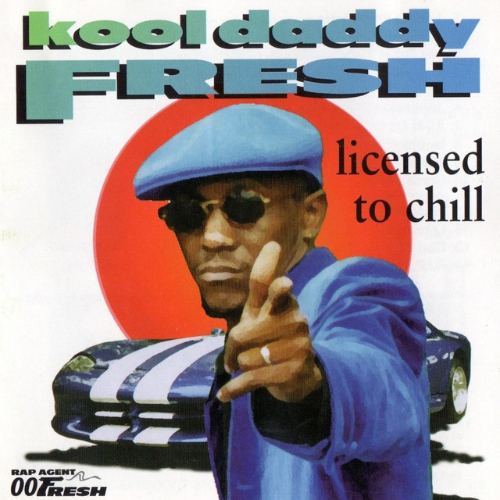
資料上ではKool Daddy Fresh、Slugga、K.N.S.による楽曲として登録されている。
タイトルの「10-A-C」は、歌詞とフックの内容から、Tennessee=テネシーの音を分解し、数字とアルファベットで表記した言葉遊びと考えられる。
実際のフックでは、タイトルそのものよりも、
“It’s a Tennessee thang”
という言葉が中心に置かれている。
ここでいう“thang”は、単なる「物」ではない。
テネシー特有の暮らし方、価値観、遊び方、車文化、金の稼ぎ方、地元同士の結びつきまで含んだ表現である。
アルバムにはリミックスと通常版の両方が収録されており、本曲が作品内で重要な位置を与えられていたことがうかがえる。ただし、両ヴァージョンを収録した具体的な意図について、本人や制作陣による明確な証言は確認できない。
第一印象
最初に耳を引くのは、攻撃性ではなく、温かく開放的なフックだ。
歌い出しでは、
“When you come down to Tennessee, tell me what do you see?”
と問いかけられる。
その返答として示されるのが、金を積み上げる男たちと、ゴールドのホイールを履いて走る車である。
このコール&レスポンス形式によって、曲は冒頭から聴き手をテネシーの街へ案内する。
ビートは落ち着いているが、眠たくはない。
ドラムには明確な跳ねがあり、ラップが入ると一気に前へ進む。フックでは横に揺れ、ヴァースでは路上を走るように流れる。
メロウなサウンドと、金、車、武器、酒、パーティーを扱う歌詞の間には温度差がある。
しかし、その対比こそが本曲の魅力だ。
危険や緊張を過度に強調せず、地元の日常として自然に並べている。
サウンド分析
ドラム
実測上のテンポは約123BPMとして検出されるが、実際の体感はその半分に近い約61〜62BPMのハーフタイムである。
スネアは大きく広がるタイプではなく、乾いた音で一定の位置に置かれている。
キックも過剰に重く潰されてはいない。低音を長く引きずるのではなく、ベースラインと役割を分担しながら、ラップの足場を作っている。
ハイハットは細かく暴れる現代的なトラップ型ではない。
一定の刻みを保ち、フックとヴァースの両方を滑らかにつないでいる。
ビートそのものはシンプルだが、ラッパーが言葉を詰めても窮屈にならない余白がある。
南部らしい重心の低さと、ファンク由来の軽い跳ねが共存したリズムだ。
ベース
ベースは、曲全体の印象を決定する重要な要素である。
音色は硬質ではなく、丸みがあり、低い位置を滑るように動く。
一音ごとの輪郭を強く押し出すより、ドラムとコードの隙間を埋めながら、曲全体を下から支えている。
そのため、重いテーマを扱っていても、サウンドは威圧的になりすぎない。
車内で大きな音量を出したときに、ボディ全体へゆっくり振動が伝わるような設計である。
歌詞に登場するCadillac、Lexus、Land Cruiser、Range Roverといった車の名前とも相性がよい。
これは徒歩で聴く音楽というより、車を流しながら街の景色と重ねることで完成するグルーヴだ。
シンセ・メロディ
メロディの中心にあるのは、柔らかなコードと、伸びやかな男性ボーカルである。
フックの歌声はR&B的で、ラップ主体の曲に親しみやすい入口を作っている。
シンセは鋭く主張するのではなく、背景で薄く広がり、南部の夜の湿気を思わせる空気を加えている。
西海岸G-Funkに見られる高音のリード・シンセを前面に押し出すタイプではない。
むしろ、丸いベース、穏やかな鍵盤、コーラスを組み合わせ、メロウさを生み出している。
そのため、G-Funkからの影響は感じられるものの、サウンド全体をそのまま西海岸型と断定するのは難しい。
西海岸のファンク感覚を、ナッシュヴィルのローカル・ラップへ置き換えた音と表現するほうが近い。
ミックス・グルーヴ
ミックスはボーカルを中心に組まれている。
ラップは前方にはっきり配置され、ベースとシンセはその後ろで横に広がる。
フックでは複数の声が重なり、メインの歌唱に短い合いの手が返される。
“What do you see?”に対する“What you see?”、そして“Maintain”に対する反復が、聴き手を曲へ参加させる仕組みになっている。
ヴァースからフックへの移行も大げさではない。
音数を急激に増減させず、歌声が入ることで自然に景色が開ける。
曲全体を通して同じグルーヴを維持しているため、展開の派手さよりも、地域アンセムとしての一体感が強く残る。
ラップ/ボーカル分析
ラップは、細かく刻む高速型ではなく、ビートの後ろへ少し体重を預けるようなスタイルだ。
語尾を無理に揃えるのではなく、会話のような自然さを残しながら韻を連結している。
最初のヴァースでは、水曜の夜に仲間と合流し、週末にはパーティーへ向かう場面が描かれる。
ここでは物語が直線的に進む。
暇を持て余すところから始まり、仲間、女性、酒、車、賭博へと視界が広がっていく。
声のトーンには余裕があり、必要以上に怒鳴らない。
自分たちが地元でどう見られているかを理解したうえで、落ち着いて成功を語っている。
別のヴァースでは、テネシーの田舎イメージを象徴する“hee-haw”を逆手に取り、現代の南部は過去とは違うと主張する。
かつてのバンジョーや古いNovaから、CadillacやRange Roverへ。
これは単なる車自慢ではなく、南部に対する外部の固定観念を更新するための表現だ。
フックのボーカルは、ヴァースの情報量を受け止める休憩地点として機能している。
歌声の甘さが、ストリート描写を包み込み、曲全体を親しみやすい地域賛歌へ変えている。
歌詞・テーマ
テネシー全体を結ぶ地域アンセム
本曲の最大の特徴は、ナッシュヴィルだけを称えるのではなく、テネシー州内の複数都市を一つの文化圏として描いている点にある。
歌詞には、次の土地が登場する。
- Nashville
- Memphis
- Knoxville
- Chattanooga
- Clarksville
メンフィスについては、ピンプ文化と結びつけられる。
ノックスビルは、力を持つ者たちの土地として描かれる。
チャタヌーガでは、金を稼ぐ者たちが集まり、クラークスビルには家族との個人的なつながりが示される。
こうした都市名の列挙は、単なる地名紹介ではない。
テネシー州内に点在するコミュニティーを、同じ“Soul/South”の下で結びつける役割を果たしている。
南部の成長と成功
歌詞では、過去と現在の違いが繰り返し強調される。
かつての南部を象徴する乗り物としてNovaやバンジョーが語られ、現在の成功を象徴する車としてCadillac、Lexus、Land Cruiser、Range Roverが並ぶ。
これは1990年代の南部都市が、文化的にも経済的にも存在感を増していたことを示す表現だ。
曲中の人物たちは、単に都会を真似しているのではない。
南部の生活様式を保ったまま、新しい金、車、ファッションを手に入れている。
重要なのは、彼らが成功のためにテネシーを離れる必要がないことだ。
地元に住み、地元で稼ぎ、地元の仲間と遊ぶ。
その自立した姿勢が、曲全体の誇りにつながっている。
“Maintain”という言葉
フックで何度も繰り返される“maintain”は、本曲の中心的な言葉である。
直訳すれば「維持する」「保つ」だが、ここではより広い意味を持つ。
金を稼ぎ続けること。
街での立場を守ること。
仲間との関係を保つこと。
プレイヤー・ヘイターに足を引っ張られず、生き残ること。
成功を手に入れるだけでは足りない。
それを失わず維持してこそ、テネシーのストリートで認められる。
華やかな車やパーティーの裏側に、継続して生き残ることへの緊張が隠されている。
南部への偏見に対する反論
歌詞の後半では、テネシーを「田舎」として軽視する視線に対して明確に反論している。
南部訛りや田舎らしさを否定するのではなく、それらを自分たちの武器として使っている点が重要だ。
西海岸や東海岸の基準に合わせるのではなく、
“It’s a South thang”
と宣言する。
つまり、この曲は南部が他地域に追いつこうとする物語ではない。
すでに独自の文化、成功、遊び方を持っていることを外部へ示す曲なのである。
トリビア/制作メモ
- 今回分析した音源の曲尺は、実測で約4分26秒。
- テンポは解析上約123BPMだが、聴感上は約61〜62BPMのハーフタイムとして捉えるのが自然。
- 『Licensed To Chill』は1997年作品として登録されている。
- 同アルバムには「10-A-C-Thang (97 Remix)」と通常版「10-A-C-Thang」の両方が収録されている。
- 配信情報では、本リミックスにKool Daddy Fresh、Slugga、K.N.S.の名が記載されている。
- 歌詞ではナッシュヴィルだけでなく、メンフィス、ノックスビル、チャタヌーガ、クラークスビルにも言及される。
- 使用サンプルおよび正式なプロデューサー情報は、今回確認できた資料だけでは特定できないため断定しない。
- 音源にはG-Funkに通じるベースとメロウなコードがあるが、地域的にはナッシュヴィルを中心としたサザン・ラップとして捉えるべき作品である。
総評
Kool Daddy Freshの「10-A-C Thang (97 Remix)」は、派手な銃撃描写や過剰な威圧感に頼らず、テネシーの街で生きること自体を魅力へ変えた一曲だ。
穏やかなコーラス、丸いベース、乾いたドラム。
その上で語られるのは、仲間と遊ぶ夜、女性、酒、サイコロ、車、金、そして地域への誇りである。
サウンドには西海岸G-Funkと共通する滑らかさがある。
しかし、曲の中心にある価値観は明確に南部のものだ。
田舎だと見られてきた土地が、CadillacやRange Roverを走らせ、自分たちの産業と文化を築いていく。
その変化を、Kool Daddy Freshたちは大げさな成功物語ではなく、日常の風景としてラップしている。
「10-A-C Thang」という題名は、テネシーを単なる地名ではなく、一つの生き方として提示する。
金を稼ぎ、仲間とつながり、外部からの偏見を受け流し、それでも地元に残り続ける。
“Maintain”という短い言葉には、そのすべてが詰まっている。
1990年代サザン・ラップが全国的な存在感を強めていく時代に、ナッシュヴィルから発せられた静かな宣言。
それが「10-A-C Thang (97 Remix)」である。
今回ご紹介の楽曲の購入はこちらからどうぞ

Kool Daddy Fresh – 10-A-C Thang (97 Remix) | A Smooth Tennessee Anthem Built on Southern Pride and Mellow Funk
Kool Daddy Fresh’s “10-A-C Thang (97 Remix)” is a regional anthem built around men, cars sitting on gold wheels, late-night parties, dice games, and the pride required to survive in your own hometown.
Running for approximately 4 minutes and 26 seconds, the track does not rely on dramatic beat switches or constant changes.
Instead, it maintains the same relaxed funk groove while connecting different parts of Tennessee—Nashville, Memphis, Knoxville, Chattanooga, and beyond.
The production has the smoothness associated with West Coast G-Funk.
But California is not at the center of this record.
This is Tennessee reality and ambition expressed at a Southern pace, in a Southern voice, and through a distinctly local point of view.
Artist Introduction
Kool Daddy Fresh is a local rapper associated with Nashville, Tennessee.
Measured only by national recognition, he remains an underground figure.
But for anyone digging into 1990s Nashville rap, he is one of the artists worth paying attention to.
His music repeatedly deals with the realities of making money in the streets, displaying success through cars and clothing, loyalty among local friends, and pride in being from the South.
That identity is clearly present on “10-A-C Thang.”
Rather than simply making himself look larger than life, Kool Daddy Fresh expands the focus toward the wider changes taking place across Tennessee.
Slugga and K.N.S. are credited on the track, giving the song the character of a crew record built from multiple local perspectives rather than a purely solo performance.
The 1997 album Licensed To Chill contains both “10-A-C-Thang (97 Remix)” and the regular version of “10-A-C-Thang.”
Background
“10-A-C Thang (97 Remix)” appears on Kool Daddy Fresh’s 1997 album Licensed To Chill.
Available credits identify Kool Daddy Fresh, Slugga, and K.N.S. with the track.
Based on the lyrics and chorus, the title “10-A-C” appears to be a phonetic wordplay on Tennessee, breaking the state’s name into numbers and letters.
The hook itself centers less on the stylized title than on the line:
“It’s a Tennessee thang”
Here, the word “thang” means far more than simply “thing.”
It refers to a Tennessee way of life—local values, nightlife, car culture, hustling, money, and the connections between people from the same region.
Both the remix and regular version appear on the album, suggesting that the song held an important place within the project.
However, no clear statement from Kool Daddy Fresh or the production team has been confirmed explaining why both versions were included.
First Impression
The first thing that stands out is not aggression, but the warmth and openness of the hook.
The song begins with the question:
“When you come down to Tennessee, tell me what do you see?”
The answer comes through images of men stacking money and cars rolling on gold wheels.
That call-and-response structure immediately invites the listener into Tennessee.
The beat is relaxed, but never sleepy.
There is a clear bounce in the drums, and once the verses begin, the track gains forward movement.
The hook sways from side to side, while the verses feel more like cruising through the streets.
There is an obvious contrast between the mellow production and lyrics dealing with money, cars, weapons, alcohol, parties, and gambling.
But that contrast is exactly what gives the track its character.
Danger and tension are not exaggerated into cinematic drama.
They are simply presented as parts of everyday local life.
Sound Analysis
Drums
Audio analysis detects the tempo at approximately 123 BPM, but the actual groove is more naturally felt in half-time at roughly 61–62 BPM.
The snare is not especially wide or reverberant.
Instead, it lands in a fixed position with a dry, controlled sound.
The kick is also not excessively compressed or overloaded with sub-bass.
Rather than dragging long low frequencies across the beat, it works together with the bassline to provide a stable foundation for the rappers.
The hi-hats are far removed from the rapid patterns associated with modern trap.
They maintain an even pulse, connecting the verses and hooks smoothly.
The beat itself is simple, but it leaves enough space for the rappers to fit additional words into the rhythm without making the track feel crowded.
There is a low center of gravity associated with Southern rap, combined with a lighter funk-derived bounce.
Bass
The bass is one of the most important elements in shaping the track’s identity.
Its tone is rounded rather than hard-edged, moving smoothly through the lower frequencies.
Instead of emphasizing each individual note, it fills the space between the drums and chords, supporting the entire instrumental from underneath.
Because of that, even when the lyrics deal with serious or dangerous subjects, the production never becomes overwhelmingly aggressive.
At high volume in a car, the low end feels designed to spread slowly through the entire body of the vehicle.
That makes perfect sense alongside the car references found throughout the lyrics—Cadillacs, Lexuses, Land Cruisers, and Range Rovers.
This does not feel like music designed primarily for walking around with headphones.
It feels like a groove completed by driving through the city and watching the surroundings pass by.
Synths & Melody
The melodic center of the track is built around soft chords and a smooth male vocal.
The hook has an R&B character, giving the song an inviting entry point despite its street-oriented subject matter.
The synthesizers do not aggressively demand attention.
Instead, they spread thinly across the background and add a humid late-night Southern atmosphere.
There is no high-pitched lead synth dominating the track in the classic West Coast G-Funk style.
The mellow character instead comes from the combination of rounded bass, restrained keyboards, and chorus vocals.
Because of that, the influence of G-Funk is clearly audible, but calling the entire production a straightforward West Coast imitation would miss the point.
It sounds closer to West Coast funk language being translated into Nashville local rap.
Mix & Groove
The mix is built around the vocals.
The raps sit clearly in the foreground, while the bass and synthesizers spread behind them.
During the hook, multiple voices overlap, with short responses surrounding the lead vocal.
The answer to “What do you see?” and the repeated responses around “Maintain” create a participatory feel.
The listener is not simply hearing a hook.
The arrangement encourages them to join it.
Transitions between verses and hooks are understated.
There is no dramatic increase or reduction in the number of instruments.
Instead, the entrance of the sung hook naturally opens up the sound.
Because the same groove continues throughout most of the track, the record leaves a stronger impression as a regional anthem than as a production showcase built around constant change.
Rap / Vocal Analysis
The rapping is not based on fast, tightly chopped syllables.
Instead, the voices sit slightly behind the beat, almost leaning their weight into the rhythm.
The rhymes do not force every line ending into perfect symmetry.
There is a conversational looseness to the delivery, even when the rhymes connect internally.
In the opening verse, the narrator describes linking up with friends on a Wednesday night and heading toward weekend parties.
The scene expands naturally.
Boredom leads to friends, women, alcohol, cars, and dice games.
The vocal tone remains relaxed.
There is no need to shout.
The rappers sound fully aware of how they are seen locally and speak about success with calm confidence.
Another verse uses the stereotypical Southern image of “hee-haw” against itself, arguing that the modern South is not the outdated world outsiders imagine.
The imagery moves from banjos and older Novas to Cadillacs and Range Rovers.
That is more than simple car boasting.
It is a way of challenging outside stereotypes about Southern life.
The hook provides a resting point after the denser information of the verses.
Its sweetness softens the street descriptions and transforms the entire track into a more approachable regional celebration.
Lyrics & Themes
A Regional Anthem Connecting Tennessee
One of the most important aspects of the song is that it does not celebrate Nashville alone.
Instead, it connects several Tennessee cities within the same cultural space.
The lyrics reference:
- Nashville
- Memphis
- Knoxville
- Chattanooga
- Clarksville
Memphis is linked with pimp culture.
Knoxville is portrayed as a place where powerful local figures operate.
Chattanooga is associated with people making money, while Clarksville carries a more personal family connection.
These place names are not simply geographical references.
They connect different communities across Tennessee under a shared Southern identity.
Southern Growth and Success
The lyrics repeatedly contrast the past with the present.
Older Southern imagery such as Novas and banjos is placed against newer symbols of success—Cadillacs, Lexuses, Land Cruisers, and Range Rovers.
That contrast reflects the growing cultural and economic visibility of Southern cities during the 1990s.
The people in the song are not presented as simply copying bigger cities elsewhere.
They are holding on to a Southern lifestyle while gaining access to new money, cars, and fashion.
What matters most is that success does not require leaving Tennessee.
They can stay local.
Make money locally.
Spend time with local friends.
Build a life without abandoning the place they come from.
That self-contained pride sits at the center of the track.
The Meaning of “Maintain”
The word “maintain” is one of the most important repeated ideas in the hook.
Literally, it means to keep or preserve something.
Within the song, however, its meaning is broader.
Keep making money.
Keep your position in the streets.
Maintain your relationships with the people around you.
Do not allow player haters or rivals to pull you backward.
Survive.
Getting success once is not enough.
You have to hold on to it.
Underneath the cars and parties is the pressure of continuing to survive and remain respected.
Rejecting Stereotypes About the South
Later in the song, the lyrics directly respond to the idea that Tennessee is simply rural or backwards.
Rather than rejecting the Southern accent or rural associations, the rappers turn those things into part of their identity.
They do not try to measure themselves by West Coast or East Coast standards.
Instead, the message becomes:
“It’s a South thang”
This is not a story about the South attempting to catch up with other regions.
It is a statement that the South already has its own culture, its own version of success, and its own way of living.
Trivia / Production Notes
- The version analyzed here runs for approximately 4 minutes and 26 seconds.
- Audio analysis detects approximately 123 BPM, although the groove feels more natural in half-time at roughly 61–62 BPM.
- Licensed To Chill is documented as a 1997 release.
- The album contains both “10-A-C-Thang (97 Remix)” and the regular version of “10-A-C-Thang.”
- Streaming credits list Kool Daddy Fresh, Slugga, and K.N.S. on the remix.
- The lyrics reference Nashville, Memphis, Knoxville, Chattanooga, and Clarksville.
- No reliable information confirming the sample source or exact production credit has been identified, so neither is stated as fact here.
- Although the track contains mellow chords and bass that connect it to G-Funk, its regional identity is better understood as Southern rap centered on Nashville.
Final Thoughts
Kool Daddy Fresh’s “10-A-C Thang (97 Remix)” turns the simple act of living in Tennessee into the main attraction.
It does not depend on exaggerated gunplay or overwhelming aggression.
Instead, it is built from a smooth chorus, rounded bass, and dry drums.
Over that foundation come nights with friends, women, alcohol, dice games, cars, money, and regional pride.
The production clearly shares some smoothness with West Coast G-Funk.
But the values at the center of the song belong firmly to the South.
A region often dismissed as rural is shown rolling in Cadillacs and Range Rovers, building its own culture and economy while remaining completely local.
Kool Daddy Fresh and the other voices on the track do not present that transformation as an extraordinary success story.
They rap about it as normal life.
The title “10-A-C Thang” turns Tennessee from a simple location into a way of living.
Make money.
Stay connected to your people.
Ignore outside stereotypes.
And remain rooted in your home state.
The word “maintain” carries all of that weight.
At a moment when Southern rap was becoming increasingly visible across the United States, “10-A-C Thang (97 Remix)” sounded like a quiet declaration coming directly from Nashville.
Tennessee did not need to become the West Coast or the East Coast. It already had its own thang.
コメント