ストリートで生きる男は、弱さを見せない。
金、酒、車、仲間、そして危険な日常。どれだけ孤独を感じていても、それを表情や言葉に出さないことが“G”としての強さだと考えられている。
しかし、I.F.A.の「Gee’s Get Lonely 2」が描くのは、その強さの裏側だ。
ゆっくりと脈打つドラム、丸く沈み込むベース、夜の部屋を淡く照らすようなシンセ。そして、女性を必要としていることを素直に認める男性ヴォーカル。
繰り返されるのは、
「Gだって孤独になる。ベイビー、俺には君が必要なんだ」
という、驚くほど率直な言葉である。
ハードなギャングスタ像を守りながら、その内側にある寂しさ、愛情、依存、安心を求める気持ちまで描いた本作は、単なる女性向けのメロウ曲ではない。
強がる男が一瞬だけ鎧を脱ぐ、静かで人間臭いギャングスタ・ラブソングだ。
アーティスト紹介
I.F.A.は、International Family Affairを名乗るベイエリア系のグループである。
彼らの音楽では、ギャングスタ・ラップのストリート感覚と、R&B、ソウル、ファンクの滑らかな質感が自然に結びついている。
硬いドラムと低音を中心にしたラップ曲でありながら、歌唱パートやコーラスが単なる飾りになっていない点が大きな特徴だ。
ヴォーカルが楽曲の感情を担い、ラップが人物像や生活背景を掘り下げる。
「Gee’s Get Lonely 2」は、その構造が特にはっきりと表れた一曲である。
歌とラップを交互に配置することで、ひとりの男の恋愛感情を描くだけでなく、異なる価値観や話し方を持つ複数の“G”が、それぞれの方法で孤独を告白している。
作品背景
「Gee’s Get Lonely 2」は、I.F.A.のアルバム『International Family Affair』に収録された楽曲である。
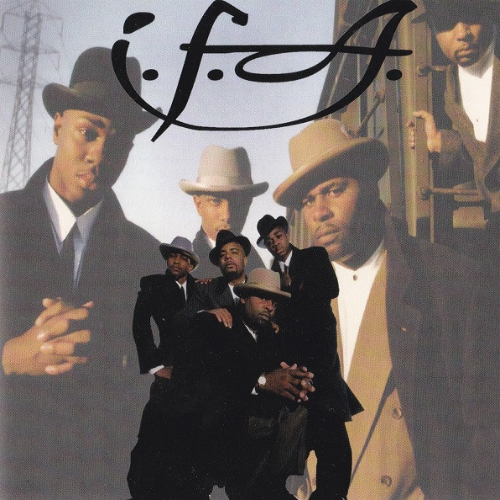
今回確認した音源の長さは約4分15秒。
テンポは実質的に約72BPMで進行しており、倍の取り方では約144BPMとして数えることもできる。体感としては明らかに前者で、速く踊らせる曲ではなく、低い重心でゆっくり揺らすスロウ・グルーヴだ。
曲名の“Gee’s”は、文脈上Gangsta、あるいはストリートを生きる男たちを指している。
タイトルは直訳すれば、**「Gたちだって孤独になる Part 2」**に近い。
ただし、なぜタイトルに「2」が付いているのか、前編にあたる公式楽曲が存在するのかについては、音源からは確認できない。
そのため、本記事では続編であると断定せず、正式な曲名として扱う。
第一印象
最初に感じるのは、音の柔らかさである。
イントロから流れるエレクトリック・ピアノ系のコードは、明るく華やかというより、薄暗い部屋に残る間接照明のような響きを持っている。
その下では、太いベースが長く音を伸ばしながら沈み込み、スネアが広い空間を作る。
刺激の強いリードシンセや攻撃的なドラムは使われていない。
代わりに中心となるのは、余白、持続音、低いテンポ、そして男性ヴォーカルの切実な歌声だ。
冒頭の歌唱では、自分が経験してきた出来事を女性に打ち明け、以前とは状況が変わってしまったことを語る。
ここで既に、楽曲のテーマが単純な誘惑や肉体関係ではないことが分かる。
これは女性を口説く曲というより、ストリート生活の中で疲れた男が、信頼できる相手に自分の内面を話す曲なのだ。
サウンド分析
ドラム
ドラムは非常にシンプルで、曲全体の感情を邪魔しない設計になっている。
キックは低く、強く前へ突き出るというより、ベースと一緒に床をゆっくり押し下げるように鳴る。
スネアは乾き切っておらず、わずかな残響を伴って広がる。拍の間隔が大きいため、一発ごとの存在感はあるものの、攻撃的には感じられない。
ハイハットや細かな打楽器も控えめだ。
高速の刻みや派手なフィルを避け、歌声とラップの言葉が前に出る空間を残している。
実質約72BPMという遅いテンポもあり、リズムには身体を跳ねさせる感覚より、シートに深く座ったまま左右へ揺れる感覚がある。
夜のドライブにも合うが、開放的なクルージングというより、ひとりで考え事をしながら車を走らせる場面に近い。
ベース
ベースは本作の温度を決定する重要な要素だ。
短く跳ねるファンクベースではなく、低い音を長めに保ちながらコード進行を支えている。
音色には丸みがあり、輪郭を鋭く出しすぎない。
そのため、キックと重なっても圧迫感が少なく、柔らかな低音の層として楽曲全体を包み込んでいる。
一方で、ただ甘いだけではない。
ベースの重さには、恋愛曲でありながらストリート・ラップの作品であることを忘れさせない力がある。
この低音があることで、男性ヴォーカルの繊細さが過度に軽くならず、ラップパートの存在感とも自然につながっている。
シンセ・メロディ
中心となるのは、エレクトリック・ピアノや柔らかなシンセを思わせるコード音だ。
高音域では、細いベル系の響きや淡い装飾音が差し込まれ、夜の静けさを演出する。
典型的なG-Funkで目立つ、鋭く高いシンセリードを前面に押し出す構成ではない。
シンセは旋律を主張するというより、ヴォーカルの後ろに感情的な背景を作る役割を担っている。
コード進行も劇的に変化せず、同じ空気を保ったまま循環する。
この反復が、抜け出せない寂しさや、同じことを何度も考えてしまう夜の心理と重なる。
派手な展開がないからこそ、コーラスで歌われる「G’s get lonely too」という一節が深く残る。
ミックス・グルーヴ
ミックスは、ヴォーカルを中央に置きながら、伴奏を広く薄く配置している。
歌声には適度な残響が加えられ、ラップよりも空間的に広がって聞こえる。
一方、ラップは比較的近い位置に置かれ、話しかけるような生々しさを持つ。
この距離感の違いが効果的だ。
歌唱パートでは心の内側へ入り込み、ラップパートでは具体的な生活や人物像へ戻ってくる。
さらに、低音は太いものの、各楽器の境界を完全に潰してはいない。ベース、キック、鍵盤、歌声がそれぞれの場所を保ちながら、全体として滑らかな一枚の音像を作っている。
グルーヴは終始一定で、途中から急激に盛り上がることはない。
しかし、その均一さが欠点にはなっていない。
むしろ同じリズムの上で歌手と複数のラッパーが交代することにより、それぞれの言葉や声質の違いが浮かび上がる。
ラップ/ボーカル分析
この曲では、歌唱パートとラップパートが明確に役割分担されている。
冒頭の男性ヴォーカルは、自分が経験してきたことを女性に語り、「以前とは同じではない」と告白する。
声にはR&B的な滑らかさがあるが、完全に洗練された美声だけで押し切る歌い方ではない。
ところどころに荒さや切迫感が残っているため、人物の疲労や不安が伝わってくる。
コーラスでは、
“G’s get lonely too / But baby, I sho’ need you”
という中心的なメッセージが繰り返される。
このフックが非常に強い。
複雑な比喩を使わず、「Gも孤独になる」「俺には君が必要だ」と直接言い切ることで、曲の感情を一瞬で理解させる。
ラップパートでは、各MCが異なる角度から同じテーマへ接近する。
最初のラップでは、酒、煙、ストリートでの生活、外見だけでは判断できない現実などが語られる。
語り手は女性に対して、表面的な魅力だけでなく、自分の置かれた状況を理解し、少なくとも途中までは歩み寄ってほしいと求める。
続くラップでは、プレイヤーとしての自信や派手な言葉遣いを維持しながらも、最終的には「俺も孤独になる」と認める。
ここが本作の面白い部分だ。
ラッパーたちは急に弱々しい人物へ変わるわけではない。
自慢、ユーモア、性的な表現、ストリートの言葉を残したまま、その内側に寂しさを差し込んでいる。
最後のラップは、より抽象的で内省的だ。
愛情を求めながらも、相手を抱いている感覚すらつかめないような空虚さが表現される。
言葉の流れも前のヴァースより崩され、意識が揺れているように聞こえる。
このヴァースによって、曲は単純な「恋人がほしい」という内容から、誰かと一緒にいても埋まらない孤独へと踏み込んでいく。
歌詞・テーマ
本作の中心テーマは、タイトルどおり“Gの孤独”である。
ただし、ここで描かれる孤独は、単に恋人がいないという意味ではない。
歌詞から見えてくるのは、ストリートで生きる男が抱える複数の問題だ。
酒やドラッグを伴う生活、警戒心、仲間との関係、金や評判、女性に対する不信感、そして自分の弱さを見せられない環境。
そうした状況の中で、語り手は女性に安らぎを求めている。
一方的に自分を救ってほしいと頼むだけではなく、「自分の人生を理解してほしい」「そばにいてほしい」「裏切らないでほしい」という気持ちが混ざっている。
つまり、この曲における恋愛は甘い理想ではない。
ストリート生活を続けるための精神的な避難場所であり、自分を人間として保つためのつながりでもある。
また、歌詞には男性側の矛盾も残されている。
語り手たちは女性を必要としていると告白する一方で、プレイヤーとしての自由や複数の女性との関係を完全には手放していない。
女性に誠実さを求めながら、自分自身が同じ誠実さを返せるのかは曖昧だ。
この矛盾を消さずに残しているからこそ、本作は単純な純愛歌にはならない。
強さを演じる男たちが愛情を求め、それでも生活態度や価値観までは簡単に変えられない。
そこに、本作の人間臭さがある。
トリビア/制作メモ
・今回確認した音源の長さは約4分15秒。
・テンポは実質約72BPM。倍テンポでは約144BPMとして検出できるが、聴感上は約72BPMのスロウ曲として捉えるのが自然。
・曲は、男性ヴォーカルによる導入、ラップ、コーラス、再び歌唱、複数のラップ、反復されるコーラスという流れで構成されている。
・コーラスの「G’s get lonely too」という一節が、曲名とテーマの両方を直接提示している。
・歌とラップは対立せず、歌が感情を、ラップが生活背景や人物像を補足する構成になっている。
・曲名に付けられた「2」の由来は、今回の音源だけでは確認できない。
総評
「Gee’s Get Lonely 2」は、ギャングスタ・ラップの男性像を否定する曲ではない。
むしろ、その人物像を保ったまま、普段は隠される寂しさを内側から描いた作品だ。
ラッパーたちはストリートでの経験、自信、女性関係、プレイヤーとしての態度を語り続ける。
それでもコーラスへ戻るたびに、最後に残る言葉は「俺には君が必要だ」という告白である。
約72BPMの遅いドラム、深く沈むベース、淡い鍵盤、R&B色の濃い男性ヴォーカル。そのすべてが、夜の孤独を静かに引き延ばしていく。
音数を増やさず、劇的な展開にも頼らない。
その代わり、同じフレーズを繰り返しながら、強がりの奥にある感情を少しずつ露出させていく。
G-Funk的な低音とファンク感を備えているものの、本作の魅力は派手なシンセや攻撃的なビートではない。
最大の魅力は、強さと孤独が同時に存在していることだ。
「Gは弱音を吐かない」という固定観念を、説教や大げさな演出を使わず、一本のメロウ・グルーヴで静かに崩していく。
I.F.A.の「Gee’s Get Lonely 2」は、夜が深くなるほど言葉の重みを増す、ギャングスタR&Bの隠れた逸品である。
今回ご紹介の楽曲の購入はこちらからどうぞ

I.F.A. – Gee’s Get Lonely 2 | A Gangsta Love Song Where Strength Gives Way to Loneliness
A man living in the streets is not supposed to show weakness.
Money, alcohol, cars, friends, and dangerous everyday life all become part of the image. No matter how lonely he feels, showing that loneliness openly can be seen as the opposite of what it means to be a “G.”
But I.F.A.’s “Gee’s Get Lonely 2” is about what exists underneath that strength.
Slow, pulsing drums.
Rounded bass sinking into the low end.
Synths glowing softly like light inside a room at night.
And a male vocalist openly admitting that he needs a woman in his life.
The central message is surprisingly direct:
Even G’s get lonely. Baby, I need you.
That honesty gives the track its power.
“Gee’s Get Lonely 2” does not abandon the hard gangsta image surrounding its characters.
Instead, it reveals the loneliness, affection, emotional dependence, and need for comfort hidden underneath it.
This is not simply a mellow record aimed at women.
It is a quiet, deeply human gangsta love song about a man briefly taking off the armor he normally wears.
Artist Introduction
I.F.A., short for International Family Affair, is a Bay Area group whose music brings together the street sensibility of gangsta rap with the smoother textures of R&B, soul, and funk.
One of the most important characteristics of their sound is that the singing never feels like a decorative addition placed around the rapping.
The vocal sections often carry the emotional weight of the song, while the rap verses expand the characters, situations, and lifestyles behind those emotions.
“Gee’s Get Lonely 2” is a particularly strong example of that structure.
By alternating singing and rap, the track does more than describe the romantic feelings of a single man.
Different “G’s,” with different voices and attitudes, each reveal loneliness in their own way.
Background
“Gee’s Get Lonely 2” appears on I.F.A.’s album International Family Affair.
The version examined here runs for approximately 4 minutes and 15 seconds.
Its groove is most naturally felt at around 72 BPM, although double-time analysis can place it at approximately 144 BPM.
In practical listening terms, however, this is clearly a slow record.
It is not designed to make the listener move quickly.
Its rhythm sits low, allowing the body to sway slowly inside the groove.
In this context, the word “Gee’s” appears to refer to gangstas or men living within a street-oriented lifestyle.
The title can therefore be understood roughly as:
“G’s Get Lonely Too, Part 2.”
However, the origin of the “2” in the title cannot be determined from the audio alone.
It is not possible to confirm from this recording whether an officially released first installment exists.
For that reason, the title is treated here simply as the official song name rather than definitive evidence that the track is a sequel.
First Impression
The first impression is softness.
Electric-piano-like chords enter with a tone that feels less bright and luxurious than dimly lit and intimate.
Underneath them, a thick bass note stretches downward while the snare creates a large amount of open space.
There is no aggressive lead synth.
There are no explosive drums.
Instead, the track is built around space, sustained tones, slow movement, and the emotional urgency of the male vocalist.
In the opening vocal passage, the singer begins telling a woman about the things he has been through and admits that circumstances are no longer what they once were.
That immediately establishes that this is not simply a seduction record.
The point is not merely to attract a woman.
It sounds more like a man exhausted by street life finally speaking honestly to someone he trusts.
Sound Analysis
Drums
The drums are extremely simple and designed not to interfere with the emotional core of the song.
The kick sits low.
Rather than pushing aggressively forward, it works together with the bass to press slowly downward into the floor of the mix.
The snare is not completely dry.
A slight sense of space or decay remains around it.
Because the beats are spread so widely apart, every snare hit has presence without sounding violent.
The hi-hats and smaller percussion elements are also restrained.
There are no rapid patterns or flashy fills.
The arrangement deliberately leaves room for the vocals and rap lyrics to remain the center of attention.
At approximately 72 BPM, the rhythm creates less of a bouncing sensation than the feeling of sitting deep in a seat and swaying slowly from side to side.
The track works well for nighttime driving, but not in the open, carefree sense of a cruising anthem.
It feels closer to driving alone while thinking about someone.
Bass
The bass is one of the most important elements in determining the emotional temperature of the track.
This is not a short, bouncing funk bassline.
Instead, low notes are held for longer periods, quietly supporting the chord progression.
The tone is rounded and avoids overly sharp definition.
That means the bass can overlap with the kick without becoming oppressive.
Together, they form a soft but substantial low-frequency foundation.
At the same time, the bass is not simply sweet.
Its weight reminds the listener that this remains connected to street rap rather than drifting completely into lightweight R&B.
Because of that low-end heaviness, the vulnerability of the male singing never feels disconnected from the presence of the rappers.
The emotional softness and gangsta identity remain in the same world.
Synths & Melody
The melodic center comes from electric-piano-style chords and soft synthesizer textures.
In the upper register, thin bell-like tones and small decorative sounds appear occasionally, reinforcing the quiet atmosphere of the night.
This is not the classic kind of G-Funk arrangement dominated by a piercing, high-pitched synth lead.
The synths do not try to become the melody themselves.
Their role is to create an emotional background for the voices.
The harmony also avoids dramatic changes.
The same atmosphere circles repeatedly.
That repetition mirrors the psychology of loneliness:
the inability to stop thinking about the same person,
the same relationship,
the same need.
Because the instrumental refuses to become overly dramatic, the repeated idea that “G’s get lonely too” becomes even more memorable.
Mix & Groove
The mix keeps the vocals centered while spreading the instrumental lightly around them.
The sung sections carry a moderate amount of space and reverb, making them feel wider than the rap vocals.
The rap, by comparison, feels closer and more immediate.
That difference in distance is effective.
When the singing appears, the song seems to move inward toward emotion.
When a rapper enters, the listener is brought back toward specific people, situations, and street reality.
The low end is thick, but the individual elements are not completely blurred together.
Bass, kick, keyboards, and vocals each retain enough separation to be identifiable while still forming one smooth overall texture.
The groove remains consistent throughout.
There is no dramatic climax.
But that lack of large-scale change works in the song’s favor.
The same rhythm stays underneath several different rappers and singers, allowing the differences in voice, personality, and perspective to become more noticeable.
Rap / Vocal Analysis
The singing and rapping have clearly different functions.
The opening male vocalist begins by telling a woman about what he has experienced and explaining that things are no longer the way they once were.
His delivery is smooth and R&B-influenced.
But it is not so polished that all roughness disappears.
There is enough strain and imperfection in the voice to communicate fatigue and uncertainty.
The chorus delivers the song’s central idea directly:
“G’s get lonely too / But baby, I sho’ need you”
The hook is powerful precisely because it avoids complicated metaphor.
It simply admits:
G’s get lonely.
I need you.
That directness allows the emotional idea of the entire song to become immediately understandable.
The rap verses approach the same subject from different directions.
The first rapper discusses alcohol, smoke, street life, and the reality that appearances alone do not explain what a person is going through.
He seems to ask the woman not merely to be attracted to the image, but to understand the situation behind it and meet him somewhere emotionally.
A later verse maintains the confidence, sexual language, and player attitude associated with gangsta rap.
Yet eventually even that voice has to acknowledge the same truth:
he gets lonely too.
That is one of the most interesting elements of the song.
The rappers do not suddenly become completely different men once they begin talking about loneliness.
They keep the boasting.
The humor.
The sexual language.
The street vocabulary.
But loneliness is inserted directly inside all of it.
The final rap section becomes more abstract and introspective.
The speaker seems to reach for affection while simultaneously describing an emotional emptiness so deep that even physical closeness may not fully register.
The flow becomes slightly less stable than in the earlier verses, almost as if the speaker’s own thoughts are becoming harder to control.
That shift takes the track beyond the simple idea of wanting a girlfriend.
It begins to address the kind of loneliness that can remain even when another person is physically present.
Lyrics & Themes
The central theme is exactly what the title suggests:
the loneliness of a “G.”
But the loneliness described here is not simply the absence of a romantic partner.
The lyrics suggest a much broader emotional problem.
Street life.
Alcohol and drugs.
Distrust.
Relationships with friends.
Money.
Reputation.
Suspicion toward women.
And the inability to openly display weakness.
All of those things contribute to the emotional condition of the men in the song.
Inside that environment, the woman becomes a source of relief.
The speakers do not simply ask her to rescue them.
Their feelings are more complicated:
understand my life,
stay beside me,
do not betray me,
give me somewhere emotionally safe to return to.
Romance therefore does not function as a fantasy disconnected from street reality.
It becomes a form of psychological refuge.
A relationship is presented as one of the few places where a man living under constant pressure might still be allowed to feel human.
At the same time, the lyrics preserve the contradictions of the male characters.
They admit that they need women while still holding on to the freedom and behavior associated with being players.
They ask for loyalty, but it remains uncertain whether they themselves can offer the same level of loyalty in return.
That contradiction is never resolved.
And that is precisely why the track avoids becoming a simplistic pure-love song.
These are men who want emotional connection but cannot instantly abandon the habits and values that helped shape their identities.
Strength and vulnerability exist together.
So do desire and selfishness.
That tension gives “Gee’s Get Lonely 2” much of its humanity.
Trivia / Production Notes
- The version examined here runs for approximately 4 minutes and 15 seconds.
- The groove is most naturally felt at approximately 72 BPM. Double-time analysis may detect roughly 144 BPM, but the song clearly functions as a slow groove.
- The structure moves through an opening male vocal, rap verse, chorus, additional singing, multiple rap sections, and repeated chorus passages.
- The phrase “G’s get lonely too” directly establishes both the title concept and the central theme of the song.
- Singing and rapping serve complementary functions: the singing expresses the emotional core, while the rap verses provide lifestyle, personality, and narrative context.
- The reason for the “2” in the title could not be determined from the available audio alone.
Final Thoughts
“Gee’s Get Lonely 2” is not a song that rejects the masculine image of gangsta rap.
Instead, it keeps that image intact and then reveals the loneliness normally hidden inside it.
The rappers continue talking about street experience, confidence, women, and player behavior.
Yet every time the chorus returns, the most important confession remains the same:
I need you.
Slow drums at roughly 72 BPM, deep bass, soft keyboards, and heavily R&B-influenced male vocals stretch that loneliness across the entire track.
There is no need to fill the arrangement with additional instruments.
There is no dramatic climax.
The song simply repeats its central feeling until the strength displayed in the verses begins to reveal the vulnerability underneath.
The track contains G-Funk-influenced low-end warmth and funk atmosphere, but its greatest strength is not a flashy synth line or an aggressive beat.
Its greatest strength is the coexistence of toughness and loneliness.
Without preaching or turning the subject into melodrama, “Gee’s Get Lonely 2” quietly challenges the idea that a G can never admit emotional need.
I.F.A. uses a single mellow groove to show that the hardest man in the room may still want someone waiting for him when the night is over.
That balance between street toughness and emotional honesty makes “Gee’s Get Lonely 2” a hidden gem of gangsta R&B—one whose words feel heavier the later the night gets.


コメント