Fesuの「Streets Of Greenspoint」は、テキサス州ヒューストン北部のGreenspointを舞台に、ドラッグ、警察、逮捕、金、女性、成功、そして地元への帰還を描いたストリート・ラップだ。
しかし、本作を単純な地元賛歌と考えると、その本質を見落としてしまう。
曲の中に登場するGreenspointは、華やかに誇示される理想の街ではない。生活費を稼ぐための違法行為、警察からの監視、刑務所に送られた仲間、裏切りへの警戒心が日常に溶け込んだ場所として描かれている。
その一方で、Fesuは成功後の金、知名度、音楽業界での評価についても語る。
つまり本作は、Greenspointの路上生活を描くだけの曲ではない。
一度は地元の現実に飲み込まれながら、ラッパーとして評価を獲得し、再びGreenspointへ戻ってきた男の帰還報告でもある。
重く沈むドラム、粘りつくベース、わずかに不穏なシンセ、反復される開放的なフック。その組み合わせが、危険と高揚が同居するGreenspointの夜を作り出している。
アーティスト紹介
Fesuは、ヒューストンのGreenspointを拠点としたラッパーで、本名はYusef Crossとされている。
1990年代前半から活動し、「Streets Of Greenspoint」によって地元で注目を集めた。その後、1993年には『The Source』誌のUnsigned Hypeで紹介され、独特の遅いフロウとサザン・ドロールを持つ新人として評価された。
Fesuのラップにおいて、Greenspointは単なる出身地ではない。
彼が目撃してきた犯罪、貧困、警察との緊張、仲間との結束、成功への欲望をひとつに結びつける、作品世界の中心地である。
Greenspointを語ることは、Fesu自身を語ることでもある。
作品背景
「Streets Of Greenspoint」のオリジナルは、1992年にカセット・シングルとして発表された。

確認できる1992年版には、約3分03秒のStreet Version、約2分43秒のRadio Version、約3分27秒のNational Version、約3分20秒のInstrumentalが収録されている。クレジット上ではFesuとKid Kiloがプロデューサーとして記載されている。
一方、今回の音源は約3分55秒で、1998年のアルバム『The Game』に収録されたバージョンとなっている。
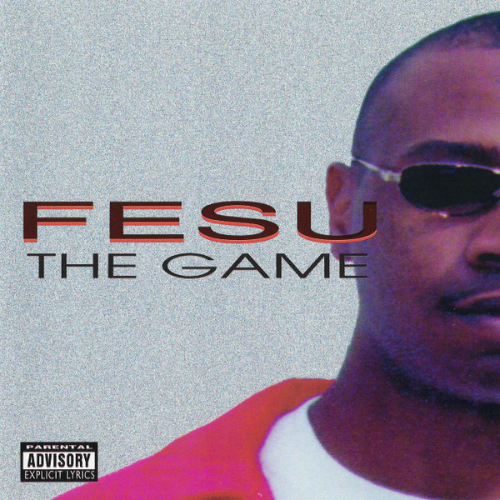
内容面でも、冒頭でFesuの帰還が宣言され、歌詞には自身が過去に獲得した評価や、キャリア上の出来事を振り返る表現が登場する。
そのため、この音源は1992年のオリジナルをそのまま再収録したものではなく、Fesuがキャリアを積んだ後に作り直した再録版と判断するのが自然だ。
1992年版がGreenspointから現れた新人の自己紹介だったとすれば、1998年版は、一度外の世界を見たFesuが地元へ戻り、自分の過去と現在を重ね合わせる作品になっている。
第一印象
曲が始まった瞬間に感じるのは、派手さよりも重量感だ。
テンポは実測で約92BPM。
決して極端に遅い曲ではないが、ドラムの間隔を広く取り、Fesuも言葉を詰め込まずにラップするため、体感速度は数字以上にゆっくりしている。
イントロでは、Stickと思われる男性の声がFesuを紹介する。
軽いパーティー感を持った語り口だが、そこで宣言されるのは、Greenspointの路上、現実、フッドについて語るということだ。
その直後にFesuの低い声が入ると、空気が一気に重くなる。
トラックには夜のドライブに似合う滑らかさがある。しかし、明るく解放的なクルージング曲ではない。
車を走らせながらも、常にバックミラーと路肩を警戒しているような緊張感が残されている。
サウンド分析
ドラム
ドラムは、曲全体の重心を低く保つための中心的な役割を担っている。
キックは深く太いが、極端に低域を膨らませた音ではない。一発ごとの輪郭がはっきりしており、一定の間隔で地面を踏み固めるように鳴る。
スネアは硬く乾いた質感を持ち、約92BPMのビートを明確に区切っている。
音数は多くない。
細かいハイハットや複雑なパーカッションで勢いを生み出すのではなく、キックとスネアの間に広い空間を作ることで、Fesuの遅いフロウを前面に出している。
イントロからヴァースへ移っても、ドラムパターンに劇的な変化は起こらない。
この変化の少なさが、同じ地区を何度も巡回しているような閉塞感を生む。
フックでは声が重なることで開放感が増すが、ドラム自体は落ち着いたままだ。そのため曲が一時的に明るくなっても、ストリートの重さが消えることはない。
ベース
ベースは、短く区切られた低音を繰り返すというより、丸く伸びる音でグルーヴを支えている。
キックの下に完全に沈むのではなく、キックが鳴った後の空間を埋めるように動く。
派手なベースラインではないが、曲全体に粘りを与えている。
特にフックでは、反復される歌声とベースが組み合わさり、危険な内容とは対照的な気持ちよさが生まれる。
このベースの滑らかさがなければ、本作はさらに硬質で陰惨な曲になっていただろう。
しかし実際には、低音がクルージング向きの横揺れを作っているため、聴き手は暗い物語の中へ自然に引き込まれていく。
シンセ・メロディ
メロディの中心には、高音域を漂う細いシンセと、短く反復される鍵盤系の音が置かれている。
明確な主旋律を前面に出す構成ではない。
むしろ、ドラムとベースの上に薄い影を落とし、Greenspointという場所の不穏さを補強している。
高音のフレーズには、どこかサイレンや警告音を思わせる鋭さがある。
ただし、攻撃的に鳴り続けるわけではない。音量を抑えたまま背景に残り、聴き手に無意識の緊張を与える。
フックではコーラスがメロディの役割を大きく引き受ける。
「今夜は始まっている」という感覚の反復が、ヴァースの重苦しい現実から一時的に聴き手を解放する。
しかし、その解放感も完全な安心にはつながらない。
同じトラックが流れ続けているため、パーティーのすぐ外側には依然としてGreenspointの危険が残っている。
ミックス・グルーヴ
ミックスはFesuの声を中央に大きく置き、ドラムとベースをその下で安定させた構成になっている。
Fesuのメイン・ヴォーカルは乾いており、残響は控えめだ。
そのため、ひとつひとつの言葉が近い距離から直接投げかけられているように聞こえる。
対照的に、フックのヴォーカルは複数の声を重ね、左右と奥行きを広げている。
ヴァースでは狭い路地に閉じ込められたような圧迫感があり、フックに入ると突然、車や人が集まる広い通りへ出たような感覚になる。
この空間の切り替えが、本作の重要な魅力だ。
グルーヴは前へ突進するのではなく、ゆっくりと左右に揺れる。
Fesuのラップもビートの直前へ急ぐことなく、少し後ろに体重を残したまま進む。
ヒューストンらしい重さと、90年代西海岸ラップにも通じる滑らかさが接しているが、明るいG-Funkとして分類するには陰影が深い。
本作はあくまで、ヒューストンのローカルなストリート・ラップを中心に考えるべき曲だ。
ラップ/ボーカル分析
Fesuの最大の特徴は、急がないことだ。
声は低く、太く、わずかに鼻へかかっている。
発音には南部特有の粘りがあり、語尾を強く切るよりも、次の言葉へ滑らせるように進む。
約92BPMのビートに対して、細かな言葉を大量に詰め込むことはしない。
短いフレーズごとに間を置き、重要な単語を重く着地させている。
この遅いフロウによって、歌詞が単なる誇張ではなく、本人が実際に経験した出来事の証言のように聞こえる。
第1ヴァースでは、ドラッグ売買、生活費、警察、逮捕、刑務所といったGreenspointの現実を語る。
声には焦りよりも諦観がある。
危険な生活を特別な事件として叫ぶのではなく、それが日常だったかのように淡々と並べていく。
第2ヴァースでは、金や成功、音楽業界での評価へ視点が移る。
ここでは声に自信が増し、自分がGreenspointの外でも結果を残したことを誇示する。
しかし、完全に勝者の視点へ変わるわけではない。
成功後も裏切り、密告、家族への攻撃を警戒しており、ストリートで身についた疑念を捨てられていない。
第3ヴァースでは、再びGreenspointの性的な逸話、仲間、犯罪、刑務所へ戻る。
この構成によって、成功後のFesuも地元の環境から精神的には切り離されていないことが示される。
フックは、ヴァースよりも軽く、集団的だ。
繰り返される歌声がパーティーの高揚感を生み、その間にFesuのアドリブやGreenspointという地名が差し込まれる。
暗いヴァースと開放的なフックの落差が、曲を単調にさせない。
歌詞・テーマ
本作の中心にあるテーマは、Greenspointに対する無条件の賛美ではない。
Fesuは地元を誇りながら、その地区が抱える問題も隠していない。
生きるための犯罪
第1ヴァースでは、生活費を支払うためにドラッグを売る姿が描かれる。
ここで犯罪は、単なる富や権力の象徴ではない。
生き延びるための選択肢として登場する。
しかし、その選択には必ず警察、逮捕、刑務所という結果が付きまとう。
Fesuは自分を完全な被害者として描くことも、無敵の犯罪者として美化することもしない。
利益を得る一方で、常に自由を失う危険にさらされている。
その両方を語ることで、ストリート生活の矛盾を浮き彫りにしている。
警察との対立
歌詞には警察を敵視する表現が繰り返し登場する。
これは単純な反抗心だけではない。
Greenspointで暮らす黒人男性として、警察から常に監視され、標的にされているという感覚が根底にある。
一方で、Fesu自身が違法行為に関わっていることも隠していない。
警察による抑圧と、自ら選んだ危険な生活が複雑に絡み合っている。
この曖昧さが、本作を単純な勧善懲悪の物語にしない。
成功と過去
第2ヴァースでは、物語の時間が進む。
Fesuは金、海外口座、高額な報酬、音楽業界での実績について語る。
さらに、自身の作品が『The Source』誌で4 Micsを獲得したことや、Makaveli名義の作品に関わったことを連想させるラインも登場する。
1993年の『Blind Cripple And Crazy』が『The Source』誌で4 Micsを得たとする記録があり、この部分はFesu自身のキャリアを振り返ったものと考えられる。
重要なのは、成功の話をした直後に、再びGreenspointへ戻ることだ。
金を得ても、評価を獲得しても、Fesuの人格は地元で形成されたままである。
成功はGreenspointからの完全な脱出ではない。
Greenspointを背負ったまま、外の世界から帰ってくるための手段になっている。
地元への帰還
曲の終盤では、フックが何度も反復される。
「Streets Of Greenspoint」という地名も繰り返し強調され、個人的な物語が次第に地区全体のアンセムへ変わっていく。
冒頭ではStickがFesuを紹介し、終盤ではFesu自身がアドリブを重ねる。
この流れは、地元を離れていた人物が再び仲間の前に立ち、自分が戻ってきたことを宣言しているように聞こえる。
GreenspointはFesuを苦しめた場所であると同時に、彼に名前、声、物語を与えた場所でもある。
その複雑な愛憎こそ、本作の核心だ。
トリビア/制作メモ
今回の音源は約3分55秒で、実測テンポは約92BPM。
構成は、おおむね次のようになっている。
- イントロ
- 第1ヴァース
- フック
- 第2ヴァース
- フック
- 第3ヴァース
- フックの反復
- インストゥルメンタル主体のアウトロ
1992年のカセット版には、Street Version、Radio Version、National Version、Instrumentalが存在する。今回の音源は、それらのいずれよりも長く、1998年の『The Game』収録版となっている。
さらに歌詞には、Fesuのキャリアが進んだ後でなければ成立しない回顧的な表現が含まれている。
したがって、ブログでは「1992年発表曲の1998年再録版」または「1998年版」と表記するのが安全だ。
1992年版と1998年版では、歌詞、構成、トラックが異なる可能性があるため、両者を同一音源として説明するべきではない。
今回確認した音源について、信頼できる資料からサンプリング元は特定できなかった。
似た音色や既存曲を思わせるフレーズがあっても、公式クレジットや検証可能な資料がない限り、特定楽曲のサンプリングとは断定できない。
総評
「Streets Of Greenspoint」は、Fesuの地元を紹介するだけのローカル・アンセムではない。
Greenspointで犯罪に関わり、警察に追われ、刑務所へ送られ、そこからラッパーとして評価を獲得した人物が、自分の出発点を振り返る曲である。
ヴァースで語られる内容は重い。
ドラッグ、警察、密告、逮捕、刑務所が日常の一部として登場する。
しかし、フックには人と車が集まる夜の高揚感がある。
この暗さと楽しさの同居が、Greenspointという場所を単純な危険地帯にも、理想化された故郷にもさせない。
音楽面では、約92BPMの重いドラム、丸く粘るベース、背景に残る不穏なシンセ、広がりのあるフックが印象的だ。
Fesuの遅く太いフロウは、派手な技巧よりも言葉の重量を優先している。
成功を誇示する場面でも、声から警戒心は消えない。
それは、地元を離れてもGreenspointで身についた感覚が残り続けていることを示している。
1992年のオリジナルが新人Fesuの出発点だったのに対し、今回の1998年版は、その後の成功と危険を経験したFesuによる帰還宣言だ。
Greenspointは彼が逃げ出したい場所であり、同時に決して捨てられない場所でもある。
その矛盾を、重いビートと低い声で刻み込んだ一曲だ。
Fesu – Streets Of Greenspoint | A Heavy Houston Homecoming Built on Survival, Success and Street Memory
Fesu’s “Streets Of Greenspoint” does not present his neighborhood as some idealized city built for display.
It is a place where illegal hustling to cover living expenses, constant police surveillance, friends being sent to prison, and suspicion of betrayal have all become part of everyday life.
At the same time, Fesu also talks about the money, recognition, and industry respect that came after his early street years.
That makes the track more than a simple portrait of life in Greenspoint.
It is also a homecoming report from a man who was once consumed by the realities of his neighborhood, earned recognition as a rapper, and eventually returned to the place that shaped him.
Heavy drums.
Sticky bass.
Slightly unsettling synthesizers.
And a repeated hook that opens the track outward.
Together, those elements create a vision of Greenspoint at night where danger and excitement exist side by side.
Artist Introduction
Fesu is a rapper associated with the Greenspoint area of Houston, Texas, and is identified as Yusef Cross.
Active from the early 1990s, he gained local attention through “Streets Of Greenspoint.”
In 1993, he was featured in The Source magazine’s Unsigned Hype section, where his unusually slow flow and Southern drawl helped distinguish him as a new artist worth watching.
In Fesu’s music, Greenspoint is more than a hometown.
It is the center of his entire artistic world.
Crime.
Poverty.
Tension with police.
Loyalty among friends.
The desire for success.
All of those experiences are connected through the neighborhood.
To talk about Greenspoint is, in many ways, to talk about Fesu himself.
Background
The original version of “Streets Of Greenspoint” was released as a cassette single in 1992.
The known 1992 release contains several versions:
- Street Version — approximately 3:03
- Radio Version — approximately 2:43
- National Version — approximately 3:27
- Instrumental — approximately 3:20
Credits on that release list Fesu and Kid Kilo as producers.
The version examined here, however, runs for approximately 3 minutes and 55 seconds and appears on Fesu’s 1998 album The Game.
Its content also indicates that it was created later.
The opening presents Fesu as someone returning, while the lyrics look back at recognition and career events that had already happened by that point.
For that reason, this recording is better understood not as a straight reissue of the 1992 original, but as a later re-recorded or reworked version made after Fesu had accumulated additional experience.
If the 1992 version introduced a new rapper emerging from Greenspoint, the 1998 version sounds like a man who has already seen something beyond the neighborhood and returned with a different perspective.
First Impression
The first thing the track communicates is weight rather than flash.
The measured tempo is approximately 92 BPM.
That number is not exceptionally slow, but the wide spaces between the drums and Fesu’s refusal to overcrowd the beat make the song feel heavier and slower than the tempo suggests.
The intro features a male voice, apparently Stick, introducing Fesu.
The tone carries a slight party atmosphere, but the subject being introduced is far more serious:
the streets,
the reality,
and the hood of Greenspoint.
Then Fesu’s low voice enters and the atmosphere becomes noticeably heavier.
The instrumental is smooth enough for nighttime driving.
But it is not an open, carefree cruising record.
Even while the car is moving, the track feels as though someone is still checking the rearview mirror and watching the side of the road.
Sound Analysis
Drums
The drums are central to keeping the entire track’s center of gravity low.
The kick is deep and thick, but it is not exaggerated into an enormous sub-heavy sound.
Each hit remains clearly defined and arrives at regular intervals, almost like footsteps pressing repeatedly into the pavement.
The snare is hard and dry, clearly dividing the approximately 92 BPM rhythm.
There are not many individual drum elements.
Instead of building momentum through busy hi-hats or complex percussion, the beat leaves large spaces between the kick and snare.
That space gives Fesu’s slow flow room to dominate.
The drum pattern also changes very little when the track moves from intro to verse.
That lack of dramatic movement creates a slightly trapped feeling, almost like driving the same streets over and over again.
The hook becomes more open because additional voices enter.
But the drums remain grounded.
Even when the song temporarily feels brighter, the weight of the streets never disappears.
Bass
The bass relies more on rounded sustained tones than on short, sharply separated low-end hits.
It does not disappear completely beneath the kick.
Instead, it fills the spaces after the kick lands.
The bassline is not flashy.
Its importance comes from the sticky movement it gives the entire groove.
During the hook in particular, the repeated vocals and bass combine to produce a smoothness that contrasts strongly with the darker lyrical content.
Without that bass, “Streets Of Greenspoint” would sound considerably harsher and more oppressive.
Instead, the low end gives the track a side-to-side cruising motion.
That makes it easier for the listener to enter the darker world Fesu is describing.
Synths & Melody
The melodic layer is built around thin high-register synthesizers and short repeating keyboard figures.
There is no dominant melodic lead.
Instead, these sounds cast a faint shadow across the drums and bass, strengthening the uneasy atmosphere surrounding Greenspoint.
Some of the higher tones carry a slight siren-like or warning quality.
They never become loud enough to sound openly aggressive.
They remain in the background, creating tension almost subconsciously.
During the hook, the vocals take over much of the melodic responsibility.
The repeated feeling that something is happening tonight temporarily opens the song up after the heavier verses.
But the sense of release never becomes complete.
The same instrumental continues underneath.
The party may be happening, but the danger of Greenspoint is still immediately outside it.
Mix & Groove
The mix places Fesu’s voice prominently in the center, with the drums and bass forming a stable foundation underneath.
His lead vocal is relatively dry, with limited reverb.
That makes the words feel close, as though they are being delivered directly to the listener.
The hook is treated differently.
Multiple voices create additional width and depth.
The verses feel narrow and enclosed, almost like being trapped inside a tight residential street.
When the hook arrives, the sound suddenly feels more like an open road where cars and people have gathered.
That spatial shift is one of the track’s strongest musical features.
The groove never charges aggressively forward.
It moves slowly from side to side.
Fesu’s rapping also avoids rushing ahead of the beat, keeping some of its weight slightly behind the rhythm.
There is a meeting point here between the heaviness associated with Houston street rap and some of the smoothness associated with 1990s West Coast production.
But the shadows are too deep for the track to be reduced to bright G-Funk.
At its core, this remains Houston local street rap.
Rap / Vocal Analysis
The most distinctive thing about Fesu’s rapping is that he never seems to hurry.
His voice is low, thick, and slightly nasal.
His pronunciation carries a strong Southern drag, with phrases often sliding into one another rather than ending with sharply cut syllables.
Over a roughly 92 BPM beat, he does not attempt to fill every available space.
Instead, he leaves pauses between short phrases and allows important words to land heavily.
That slower approach makes the lyrics sound less like exaggerated street mythology and more like testimony.
In the first verse, Fesu describes the realities of Greenspoint:
drug dealing,
living expenses,
police,
arrest,
and prison.
His voice carries more resignation than panic.
Danger is not presented as a rare event worth screaming about.
It sounds like something that had simply become normal.
The second verse shifts toward money, success, and recognition in the music industry.
His voice becomes more confident as he emphasizes the fact that he managed to achieve something beyond Greenspoint.
Even then, however, he never becomes a completely carefree winner.
He remains suspicious of betrayal, informants, and threats against his family.
The caution developed in the streets has not disappeared with success.
The third verse returns again to Greenspoint, including sexual stories, friends, crime, and prison.
Structurally, that return is important.
It suggests that even after achieving recognition, Fesu has never become psychologically disconnected from the neighborhood that shaped him.
The hook is lighter and more collective than the verses.
Repeated group vocals create the excitement of a gathering, while Fesu’s ad-libs and the name Greenspoint enter around them.
The contrast between dark verses and a more open hook prevents the track from becoming emotionally flat.
Lyrics & Themes
The central subject of the song is not unconditional praise for Greenspoint.
Fesu is proud of where he comes from, but he does not hide the problems attached to that place.
Crime as Survival
In the first verse, drug dealing appears as a way of paying living expenses.
Crime is not presented only as a symbol of wealth or control.
It is shown as a survival option.
But every profit comes with the possibility of police attention, arrest, and prison.
Fesu does not present himself as a completely innocent victim.
He also does not romanticize himself as an invincible criminal.
He acknowledges both sides.
There is money to be made.
There is also freedom to lose.
That tension exposes the contradictions inside street survival.
Conflict With Police
The lyrics repeatedly contain hostility toward the police.
That hostility is not framed purely as rebellious attitude.
Underneath it is the feeling of being constantly watched and targeted as a Black man living in Greenspoint.
At the same time, Fesu does not hide the fact that he has participated in illegal activity.
Police pressure and his own risky choices exist together.
That ambiguity prevents the song from becoming a simple morality tale with clean heroes and villains.
Success and the Past
In the second verse, the timeline moves forward.
Fesu talks about money, overseas accounts, large payments, and achievements in the music business.
There are also lines that appear to look back toward recognition his work had received, including references that can be understood in relation to The Source and later career events.
Records indicate that Blind Cripple And Crazy received a four-mic rating from The Source, making it reasonable to understand this section as Fesu looking back at his own career.
What matters most is what happens immediately afterward.
He returns mentally to Greenspoint.
Money and recognition have not erased the identity formed there.
Success is not presented as a complete escape from Greenspoint.
Instead, it allows him to leave, experience another world, and eventually return carrying Greenspoint with him.
Returning Home
The final section repeats the hook several times.
The name “Streets Of Greenspoint” is emphasized again and again, gradually turning Fesu’s personal history into something closer to a neighborhood anthem.
At the beginning, Stick introduces Fesu.
By the end, Fesu is adding his own ad-libs over the repeated hook.
That progression sounds almost like someone who had been away returning to stand in front of his people again.
Greenspoint is the place that caused Fesu pain.
It is also the place that gave him his identity, his voice, and the stories that made his music possible.
That complicated mixture of pride and resentment sits at the center of the track.
Trivia / Production Notes
The version examined here runs for approximately 3 minutes and 55 seconds, with a measured tempo of about 92 BPM.
Its structure can broadly be organized as:
- Intro
- Verse 1
- Hook
- Verse 2
- Hook
- Verse 3
- Repeated hook
- Primarily instrumental outro
The 1992 cassette release contains Street, Radio, National, and Instrumental versions.
The recording examined here is longer than any of those versions and corresponds to the version included on the 1998 album The Game.
The lyrics also contain retrospective references that would only make sense after Fesu had already progressed further into his career.
For that reason, the safest description for blog use is either:
“the 1998 version of the 1992 track”
or
“a 1998 re-recorded/reworked version of the original 1992 song.”
The 1992 and 1998 recordings may differ in lyrics, structure, and production.
They should therefore not automatically be treated as the same recording.
No reliable sample source could be confirmed for the version analyzed here.
Even if individual tones or phrases resemble existing records, a specific sample should not be identified without verifiable documentation or credits.
Final Thoughts
“Streets Of Greenspoint” is more than a local anthem introducing Fesu’s neighborhood.
It is the sound of a man looking back at the place where he became involved in crime, encountered police pressure, watched people go to prison, and eventually found recognition as a rapper.
The verses are heavy.
Drugs.
Police.
Informants.
Arrest.
Prison.
All of them appear as ordinary parts of the environment.
The hook, however, carries the excitement of people and cars gathering at night.
That coexistence of darkness and pleasure prevents Greenspoint from becoming either a simple danger zone or an idealized hometown.
Musically, the roughly 92 BPM drums, rounded sticky bass, uneasy background synths, and wider hook create a strong sense of place.
Fesu’s slow, heavy flow prioritizes the weight of his words over flashy technique.
Even when he talks about success, the caution never disappears from his voice.
That suggests that leaving Greenspoint did not erase the instincts he learned there.
If the 1992 original represented the starting point of a young Fesu emerging from Greenspoint, the 1998 version sounds like a return from someone who had already experienced success, danger, and the larger music business.
Greenspoint is somewhere he may have wanted to escape.
It is also somewhere he could never completely leave behind.
“Streets Of Greenspoint” captures that contradiction through heavy drums, a low voice, and a hometown pride complicated by everything the neighborhood had already taken from him.
コメント