金を手に入れ、名前が広がれば、周囲から尊敬される。
しかし、注目が集まるほど敵も増えていく。かつて自分を持ち上げていた人間が、成功を目にした瞬間から憎しみを向けてくることもある。
C.C.の「Major Papa」が描いているのは、そんなストリートにおける成功の裏側だ。
約92 BPMで進む重いドラム、地面を這うようなベース、不穏な空気を漂わせるシンセ。C.C.はその上で、自分を軽視する者への警告、金を稼ぐことへの執着、そしていつ命を失うか分からない環境を冷静に語っていく。
フックで繰り返されるのは、金を稼ぐことだけではない。
「最初は俺を愛し、次には俺を憎む」という言葉が示しているのは、成功と同時に人間関係が崩れていく、ストリートの厳しい現実である。
アーティスト紹介
C.C.は、サンフランシスコ周辺のローカル・ラップ作品として流通したアルバム『In Da Midst Of Dirt』で確認できるラッパーだ。
ただし、C.C.という名前は検索上で別のアーティストと混同されやすく、詳しい経歴、所属クルー、活動期間などについて確認できる資料は限られている。
そのため、人物像を推測で補うことは避けたい。
少なくとも「Major Papa」から伝わってくるのは、華やかな成功物語を演じるタイプではなく、自分が生きてきた環境の緊張感を、低く荒れた声で押し出すラッパーだということだ。
技巧を前面に出すのではなく、言葉の圧力と実体験を思わせる具体性で存在感を作っている。
作品背景
「Major Papa」は、2004年のアルバム『In Da Midst Of Dirt』に収録された楽曲で、音源の長さは約4分03秒。
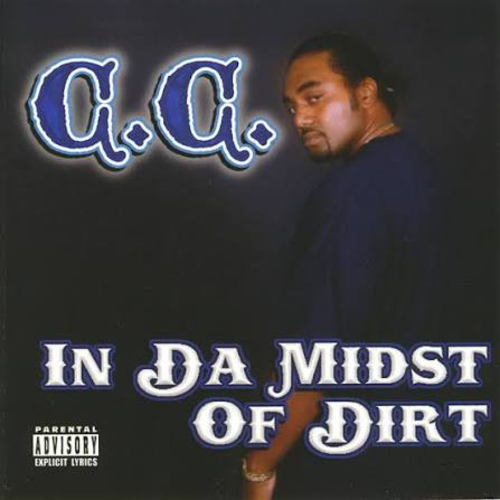
情報ではサンフランシスコの作品として整理されており、サウンドにも2000年代初頭のベイエリア系ストリートラップと重なる感触がある。
ただし、プロデューサー、録音スタジオ、参加ミュージシャンなどの詳細は確認できない。
タイトルは「Major Papa」と表記されているが、フックで明確に聞こえる中心的な言葉は、
“Major gettin’ paper, that’s all we do”
という一節だ。
ここでの“paper”は紙幣、つまり金を意味するスラングであり、楽曲全体の中心にあるのも「大きく稼ぐこと」「ゲームの中で大物であり続けること」だ。
タイトル表記とフックの関係について公式な説明は確認できないものの、少なくとも歌詞上では“major”と“paper”が強く結びついている。
第一印象
最初に感じるのは、派手さよりも重さと冷たさだ。
イントロでは、短く切られた低音と無機質なシンセが反復される。明るいコードや華やかなメロディーは使われず、暗い路地を一定速度で進んでいくような緊張感が作られている。
ビートは約92 BPM。
極端に遅いわけではないが、ドラムの間隔を広く感じさせる作りになっているため、体感速度は数字以上に重い。軽快に踊らせるというより、一歩ずつ足場を確かめながら前進するようなグルーヴだ。
そこへ入ってくるC.C.の声も低く、荒れている。
声を張り上げて威嚇するのではなく、感情を抑えながら危険な言葉を並べることで、逆に現実味を強めている。
サウンド分析
ドラム
ドラムはシンプルだが、非常に骨太だ。
キックは低く短く、ベースと重なりながら曲の土台を押し下げる。スネアは乾いた質感で、ビートの中央に強く置かれている。
細かなハイハットや装飾的なパーカッションは控えめで、基本となるリズムを大きく揺らさない。これによって、ラップの言葉が前に出る余白が確保されている。
リズムの魅力は、複雑さではなく反復の圧力にある。
同じパターンが続くことで逃げ場のない感覚が生まれ、C.C.が語る敵意や警戒心を支えている。銃撃や衝突について触れる場面でもトラックが大きく変化しないため、それらが一時的な事件ではなく、日常の一部として存在しているように聞こえる。
ベース
ベースは本作の重量を決定づける要素だ。
音数を詰め込まず、低い位置で長く沈み込む。メロディーを演奏するというより、曲全体の底に暗い影を作る役割を担っている。
キックとベースの境界はやや密接で、個別の音を鮮明に分離する現代的なミックスとは異なる。低域全体がひとつの塊となって迫ってくるため、ローカル作品らしい粗さと圧力が生まれている。
車内で鳴らしたときに、声より先に低域の振動が伝わってくるタイプの作りだ。
シンセ・メロディ
シンセは、暗く濁った短いフレーズを繰り返す。
音色にはわずかな金属感があり、温かいファンクというより、深夜の街灯や人気のない道路を連想させる。高音域では緊張を加える細い音が入り、低音域のシンセとベースが不穏な土台を作っている。
フックでは背景の音がわずかに広がり、ヴァースとの区別が作られる。しかし、明るく解放されるわけではない。
曲の最初から最後まで暗い色調が保たれ、金を稼ぐというテーマにも祝祭感を与えていない点が重要だ。
ここでの成功は、安心や幸福を意味していない。
むしろ金を得るほど敵が増え、警戒を解けなくなるという、危険を伴った成功として表現されている。
ミックス・グルーヴ
ミックスは低域が太く、ボーカルは中央の比較的近い位置に置かれている。
高音域の輝きは抑えられており、全体的に暗く密度の高い音像だ。楽器を細かく分離して見せるというより、ビートとラップを一体化させて押し出す方向に作られている。
C.C.のラップはビートより少し前へ突っ込む場面と、後ろへ重く乗る場面を行き来する。一定のリズムを保ちながらも完全に機械的ではなく、言葉の勢いに合わせてフロウを動かしている。
フックはヴァースよりも言葉を大きく区切り、
“Major gettin’ paper, that’s all we do”
という中心メッセージを刻み込む。
このヴァースとフックの落差が、単調になりやすい反復型ビートに明確な起伏を与えている。
ラップ/ボーカル分析
C.C.のラップは、低くかすれた声と、息を詰めるような発声が特徴だ。
一語ずつ整然と発音するタイプではなく、複数の言葉を連結させながらビートへ押し込んでいく。そのため、一聴しただけでは聞き取りにくい箇所もあるが、その荒さが楽曲の緊迫感につながっている。
第1ヴァースでは、自分について勝手なことを言う人間へ直接反応する。
自分を侮る噂に対して「悪い考えだ」と警告し、自分は今もここにいると宣言する。さらに、武器、酒、車、敵対者への報復といった要素を並べ、自分が言葉だけの存在ではないことを示している。
一方で、単なる万能感だけを表現しているわけではない。
酒による幻覚や判断の揺らぎ、街で誰が敵なのか分からない状態など、精神的な不安定さも言葉の端々に現れる。強さを誇示しながら、その裏側には常に追い詰められた感覚が存在している。
フックでは、メインボーカルに重なる声が加えられ、集団的な響きが生まれる。
ヴァースがC.C.個人の経験や警告であるのに対し、フックの“we”は、その生き方を共有する仲間たちの宣言として機能している。
歌詞・テーマ
金を稼ぎ続けること
楽曲の中心にあるのは“gettin’ paper”、つまり金を稼ぐことだ。
しかし、ここで描かれる金は、豪華な生活を見せつけるためだけのものではない。危険な環境で生き残り、自分の立場を守るために必要な力として扱われている。
フックでは、
“Trying to stay major in this game”
と語られる。
一度成功すれば終わりではなく、ゲームの中で“大物”の位置を維持しなければならない。そのためには稼ぎ続け、周囲の動きを読み、敵に弱みを見せないことが求められる。
愛情から憎悪へ変わる人間関係
本作を象徴するもうひとつの言葉が、
“First you love me, then you hate me”
という一節だ。
成功する前には応援していた人間が、金や名声を手にした途端に敵へ回る。C.C.はこの変化を、例外的な裏切りではなく、ストリートでは繰り返される普通の出来事として語っている。
だからこそ、他人の評価に安心することができない。
今日の味方が明日の敵になる可能性を前提に、自分の身は自分で守らなければならない。この不信感が、楽曲全体を覆う冷たい空気の正体でもある。
暴力と自己防衛
歌詞には銃器、弾倉、襲撃、報復に関する描写が繰り返し登場する。
これらは暴力を抽象的に誇示するためだけではなく、C.C.が常に攻撃を想定して行動していることを表している。
「自分に手を出せば反撃する」という論理が曲を通して一貫しており、相手へ先に警告を与えることで衝突を回避しようとする側面もある。
しかし、酒や衝動によって判断が揺らぐ様子も描かれているため、その自己防衛がいつ攻撃へ転じるか分からない危うさを持っている。
1999年12月5日の記憶
終盤のヴァースでは、C.C.が1999年12月5日という具体的な日付に触れる。
歌詞では、刑務所の独房に入ることになった出来事を振り返り、相手を殺していてもおかしくなかったという趣旨を語っている。
ただし、この日付に何が起きたのかを裏付ける外部資料は確認できないため、事実関係を断定することはできない。
それでも、具体的な日付が挿入されることで、曲の言葉は一般的なギャングスタ・ラップの演出から、C.C.個人の記憶を思わせるものへ変化する。
この部分は「Major Papa」のなかでも特に重い。
成功や金について語っていた曲が、実際に自由や命を失いかけた過去へ接続されることで、フックの“gettin’ paper”も単純な自慢ではなく、生き残った者の執念として響いてくる。
トリビア/制作メモ
- 音源の長さは約4分03秒。
- テンポは聴感および音源解析上、約92 BPM。
- 情報では2004年、サンフランシスコの作品として整理されている。
- 構成は、イントロ、3つの主要ヴァース、反復されるフック、長めのインストゥルメンタル・アウトロを中心としている。
- フックでは“Major gettin’ paper”と“First you love me, then you hate me”が繰り返される。
- 終盤の歌詞には「1999年12月5日」という具体的な日付が登場する。
- プロデューサー、録音場所、正式なクレジットの詳細は確認できない。
- 検証可能なサンプリング情報は確認できないため、サンプリングについての断定は避ける。
総評
C.C.の「Major Papa」は、金を稼ぐことを掲げながら、その成功に付きまとう嫉妬、敵意、暴力、不信感まで描いたストリートラップだ。
約92 BPMの重いビート、低く沈むベース、冷たいシンセは、成功を祝う華やかな空間ではなく、常に背後を警戒しなければならない夜の街を作り上げている。
C.C.の声にも余裕より緊張がある。
自分の力を誇示してはいるものの、その言葉の奥には、敵に囲まれ、酒に溺れ、衝動を抑えながら生きる男の危うさが見える。
特に印象的なのは、
“First you love me, then you hate me”
というフックだ。
この短い一節が、成功した者の孤独を端的に表している。
金を持てば自由になれる。しかし、金を持ったことで新しい敵が生まれる。大物であり続けるためには、稼ぐだけでなく、その立場を狙う人間から生き残らなければならない。
「Major Papa」は、成功を夢見る曲であると同時に、成功した後も終わらないストリートの戦いを記録した一曲だ。
今回ご紹介の楽曲の購入はこちらからどうぞ

C.C. – Major Papa | Money, Betrayal and the Cold Price of Street Success
If you rise in the streets, people respect you.
But the more attention you attract, the more enemies begin to appear.
People who once praised you can turn hostile the moment they see you actually succeeding.
That is the world C.C.’s “Major Papa” describes.
Heavy drums moving at approximately 92 BPM.
Bass crawling close to the ground.
Synths carrying an uneasy, almost threatening atmosphere.
Over that foundation, C.C. calmly talks about people who underestimate him, his obsession with making money, and the reality of living in an environment where death can arrive without warning.
The hook is not only about getting paid.
The repeated idea:
“First you love me, then you hate me”
captures the harder truth underneath the success.
Money changes relationships.
Recognition creates jealousy.
And in C.C.’s world, becoming more successful can also mean becoming more isolated.
Artist Introduction
C.C. is a rapper documented through the San Francisco-area local rap album In Da Midst Of Dirt.
Detailed biographical information is difficult to verify.
The name C.C. is also easily confused with unrelated artists in search results, and reliable information about his crew affiliations, career timeline, and broader discography remains limited.
For that reason, it is better not to fill in his background through speculation.
What “Major Papa” does make clear is the type of rapper C.C. presents himself as.
He is not interested in creating a glamorous success fantasy.
Instead, he pushes the tension of his environment directly into the track through a low, rough voice and lyrics centered on money, hostility, danger, and survival.
His presence comes less from technical showmanship than from vocal pressure and the sense that the details he delivers are rooted in lived experience.
Background
“Major Papa” appears on the 2004 album In Da Midst Of Dirt.
The version examined here runs for approximately 4 minutes and 3 seconds.
Available information places the project within the San Francisco rap scene, and the sound overlaps with the darker street-oriented Bay Area production of the early 2000s.
However, detailed credits for the producer, recording studio, and participating musicians could not be confirmed.
The track is listed as “Major Papa,” but the clearest repeated phrase in the hook is:
“Major gettin’ paper, that’s all we do”
Here, “paper” is slang for money.
That phrase also points directly toward one of the song’s central ideas:
making serious money and remaining important within the game.
No official explanation connecting the title “Major Papa” to the hook could be confirmed.
Still, the lyrical relationship between “major” and “paper” is clearly central to the song.
First Impression
The immediate impression is not luxury.
It is weight and coldness.
The intro is built around short low-frequency hits and mechanical-sounding synthesizers.
There are no bright chords or celebratory melodies.
Instead, the track creates the feeling of moving through a dark street at a controlled speed.
The tempo is approximately 92 BPM.
That is not extremely slow, but the spacing of the drums makes the groove feel heavier than the number suggests.
Rather than encouraging the listener to dance, the rhythm feels like someone moving forward carefully, making sure every step is secure.
C.C.’s voice fits that atmosphere.
It is low and rough.
He does not need to shout in order to sound threatening.
By keeping his emotions controlled while describing dangerous situations, he makes the lyrics feel more believable.
Sound Analysis
Drums
The drums are simple but extremely solid.
The kick is low and short, working closely with the bass to push the entire track downward.
The snare is dry and placed firmly in the center of the rhythm.
Fast hi-hat patterns and decorative percussion are kept to a minimum.
That leaves open space for the rap to dominate.
The power of the drums comes from repetition rather than complexity.
Because the same basic pattern continues for long stretches, the track begins to feel almost inescapable.
That consistency supports C.C.’s paranoia and hostility.
Even when he refers to shootings or retaliation, the production does not suddenly become more dramatic.
As a result, those subjects sound less like extraordinary incidents and more like ordinary conditions of life.
Bass
The bass is one of the main sources of the track’s physical weight.
It does not crowd the arrangement with many notes.
Instead, it stays low and sinks into longer tones.
Its function is less melodic than atmospheric.
The bass creates a dark floor underneath the entire song.
The kick and bass are mixed closely together rather than sharply separated in the modern sense.
That produces a dense block of low end.
The slight roughness of that balance also contributes to the local, underground character of the recording.
This is the kind of track where the bass vibration may reach the listener before the finer details of the vocals do, especially inside a car.
Synths & Melody
The synthesizers repeat short, dark, slightly muddy phrases.
There is a faint metallic quality in the tone.
Instead of warm funk, the sound suggests empty streets, cold streetlights, and late-night tension.
Thin higher-frequency tones add another layer of unease.
They never dominate the track.
Instead, they remain quietly in the background, maintaining psychological pressure.
The hook widens the sound slightly, making it easier to distinguish from the verses.
But the track never becomes bright or celebratory.
The same dark tonal palette remains from beginning to end.
That is important because the song’s discussion of money is never presented as uncomplicated success.
In this world, the more money someone earns, the more enemies he attracts.
Success creates new reasons to stay alert.
Mix & Groove
The mix is low-end heavy, with C.C.’s vocal placed relatively close and centered.
The high frequencies are restrained.
The result is a dense, dark sound rather than a clean, highly separated modern mix.
The beat and rap feel intentionally fused together.
C.C. sometimes pushes slightly ahead of the beat and at other moments sits more heavily behind it.
That prevents the flow from feeling mechanical even when the instrumental itself remains repetitive.
The hook uses larger gaps between phrases, emphasizing:
“Major gettin’ paper, that’s all we do”
That wider vocal spacing helps engrave the central message into the track.
The contrast between denser verses and the more clearly separated hook gives the song enough structure to avoid becoming monotonous.
Rap / Vocal Analysis
C.C.’s delivery is defined by a low, raspy voice and a slightly compressed, breath-heavy style.
He does not articulate every word with polished clarity.
Instead, phrases often run together as he pushes several words into the rhythm.
That can make parts of the performance difficult to catch immediately.
But the roughness also strengthens the tension of the record.
In the first verse, C.C. directly responds to people talking about him.
He treats disrespect as something dangerous.
Rumors and underestimation are answered with warnings.
He makes it clear that he is still present and still prepared to defend himself.
Weapons, alcohol, cars, and retaliation all appear in the imagery.
At the same time, the song does not present him as completely invulnerable.
There are signs of mental instability and pressure.
Alcohol affects judgment.
The line between friend and enemy becomes harder to read.
The more C.C. insists on strength, the more the listener can also hear the sense of being surrounded.
During the hook, additional voices create a more collective feeling.
The verses are primarily about C.C.’s personal experiences and warnings.
The “we” of the chorus expands those experiences into something shared by the people around him.
Lyrics & Themes
Continuing to Make Money
The central idea is “gettin’ paper.”
Making money is the dominant objective.
But the money described here is not only about luxury or displaying wealth.
It also represents power and the ability to survive inside a dangerous environment.
The hook includes the idea:
“Trying to stay major in this game”
That distinction matters.
Success is not something achieved once.
A person has to remain important.
He has to keep earning.
Keep reading the people around him.
Keep defending his position.
Being “major” therefore becomes a permanent state of competition rather than a final victory.
From Love to Hate
One of the defining lines in the song is:
“First you love me, then you hate me”
That short phrase captures one of the darkest sides of success.
Before someone becomes successful, people may support him.
Once the money and status arrive, some of those same people begin to resent him.
C.C. does not present this transformation as an unusual betrayal.
He describes it almost as a normal rule of street relationships.
That makes trust impossible.
A person who praises you today may become an enemy tomorrow.
The cold atmosphere covering the entire track grows directly out of that uncertainty.
Violence and Self-Defense
The lyrics repeatedly reference guns, ammunition, attacks, and retaliation.
These details are not only there to create violent imagery.
They also show that C.C. lives with the expectation that someone may attack him.
His logic remains consistent:
if someone comes after him, he will respond.
There is even a sense that giving a warning first may prevent conflict.
At the same time, alcohol and impulsiveness complicate that logic.
Self-defense can become aggression very quickly.
That uncertainty gives the song much of its danger.
The Memory of December 5, 1999
Late in the song, C.C. refers to the specific date December 5, 1999.
He appears to look back on an event that resulted in him being placed in a jail or prison cell, and suggests that the situation could have ended with another person dead.
No external source confirming exactly what happened on that date could be verified.
For that reason, the event should not be presented as independently established fact.
Still, the presence of such a specific date changes the emotional weight of the verse.
The song suddenly moves away from general gangsta-rap imagery and toward something that sounds like a personal memory.
That moment is one of the heaviest sections of “Major Papa.”
A track that had focused on money and status becomes connected to a moment when C.C. may have nearly lost his freedom—or his life.
That gives the repeated idea of “gettin’ paper” a different meaning.
It begins to sound less like boasting and more like the obsession of someone who knows survival is never guaranteed.
Trivia / Production Notes
- The analyzed version runs for approximately 4 minutes and 3 seconds.
- The measured and perceived tempo is approximately 92 BPM.
- Available information identifies the release as a 2004 San Francisco-area project.
- The structure centers on an intro, three main verses, repeated hooks, and a relatively long instrumental outro.
- The hook repeatedly emphasizes “Major gettin’ paper” and “First you love me, then you hate me.”
- A specific reference to December 5, 1999 appears late in the lyrics.
- Detailed producer, studio, and official recording credits could not be confirmed.
- No verifiable sampling information was identified, so no specific sample source should be claimed.
Final Thoughts
C.C.’s “Major Papa” is a street-rap record about making money while also showing the jealousy, hostility, violence, and distrust that can arrive with success.
The heavy beat at approximately 92 BPM, low sinking bass, and cold synthesizers do not create a glamorous celebration.
They create a nighttime environment where someone has to keep watching what is happening behind him.
C.C.’s voice carries the same tension.
He talks about his power and his ability to defend himself.
But underneath those statements is the sound of someone surrounded by enemies, alcohol, unstable impulses, and uncertainty.
The most memorable idea remains:
“First you love me, then you hate me”
In a few words, the line explains the isolation that can come with success.
Money may create freedom.
But money also creates new enemies.
Remaining “major” means more than continuing to earn.
It means surviving the people who want the position you have.
“Major Papa” is therefore both a song about ambition and a record of the struggle that continues after success arrives.
The money gets bigger, but so does the danger—and C.C. never lets the listener forget that.
コメント