恋愛を扱ったヒップホップだからといって、必ずしも感情を大きく叫ぶ必要はない。
強い言葉で相手を求めたり、劇的な物語を描いたりしなくても、声の置き方、ビートとの距離感、わずかな抑揚だけで、誰かに惹かれていく気持ちは十分に表現できる。
Bahamadiaの「I Confess」は、そうした静かな感情表現の美しさを体現した一曲だ。
音源は約4分7秒。Marvin Gayeの名曲から引き継がれた官能的な空気、丸みを帯びたベース、控えめながら芯のあるドラム、そしてBahamadia特有の低く滑らかなラップが、ひとつの温かな空間を作り上げている。
タイトルは「告白する」という意味だが、ここで語られる告白は、感情を抑えきれずに爆発させるようなものではない。
むしろ、自分の気持ちを冷静に見つめながら、相手への関心を少しずつ言葉に変えていく。その慎重さと大人びた距離感こそが、本曲の中心にある。
派手な展開や技巧的な演出に頼らず、声とグルーヴの相性だけで最後まで聴かせる「I Confess」は、BahamadiaというMCの個性が最も自然な形で表れた楽曲のひとつである。
アーティスト紹介
Bahamadiaは、フィラデルフィア出身のラッパー、Antonia Reedによるアーティスト名である。
MCとして本格的に活動する以前にはDJとしてヒップホップに関わっており、その経験は、彼女の優れたリズム感やビートに対する繊細な反応にも結びついている。
1993年頃に発表した「Funk Vibe」をきっかけに注目を集め、Gang StarrのGuruとのつながりを得た後、Chrysalis/EMIから作品を発表。1996年にはデビューアルバム『Kollage』をリリースした。
Bahamadiaの最大の特徴は、声を荒らげずに存在感を生み出す独特のラップスタイルにある。
低く落ち着いた声、力を抜いた発音、ビートの隙間を読む感覚、そして言葉を前へ押し出しすぎないフロウ。強いアクセントで聴き手を圧倒するのではなく、一定の温度を保ちながら、いつの間にか曲の内部へ引き込んでいく。
1990年代半ばのヒップホップでは、攻撃性、派手な自己主張、男性中心の価値観が前面に出る作品も少なくなかった。しかしBahamadiaは、そうした表現を模倣することなく、知性、落ち着き、リズム感覚によって独自の立ち位置を築いた。
「I Confess」は、その個性がラブソングという形式の中で柔らかく開かれた作品である。
作品背景
「I Confess」は、1996年3月19日に発表されたBahamadiaのデビューアルバム『Kollage』に収録されている。
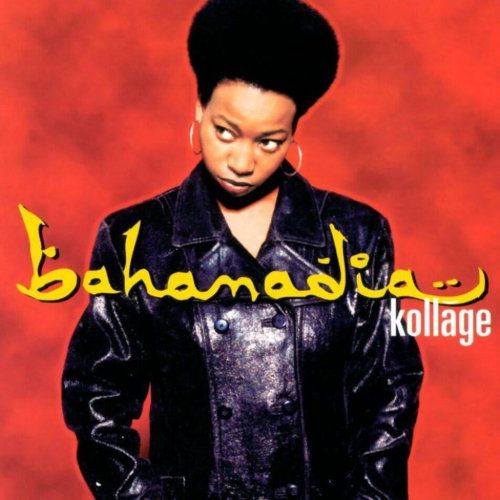
『Kollage』にはDJ Premier、Guru、Da Beatminerz、Ski Beatz、The Roots、N.O. Joeらが制作陣として参加しており、ニューヨークのブーンバップとフィラデルフィアの音楽的感覚が交差する作品となった。アルバムは米Billboard 200で126位、Top R&B/Hip-Hop Albumsで13位、Heatseekers Albumsで3位を記録している。
アルバム全体には硬質なドラムやジャズ的な質感を持つ曲が多いが、「I Confess」はその中でも特にR&B/ソウルへ接近した楽曲である。
ただし、Bahamadiaが歌手のように大きくメロディを歌い上げるわけではない。あくまで中心にあるのは彼女のラップであり、ソウルフルなトラックは、その声が持つ低い温度や滑らかさを際立たせるために機能している。
本曲は『Kollage』からのシングルとしても発表され、米国ではBubbling Under Hot 100で9位、Hot Rap Songsで11位、Hot R&B/Hip-Hop Songsで45位などを記録したとされている。
ここで重要なのは、単に恋愛曲をシングルにしたという点ではない。
「I Confess」は、Bahamadiaの持つアンダーグラウンドな技術性と、より広いリスナーに届くソウルフルな親しみやすさを結びつけた作品だった。
第一印象
最初に耳へ入ってくるのは、ドラムの強さではなく、トラック全体に漂う柔らかな湿度である。
音の輪郭は過度に鋭くなく、低域から中域にかけての丸みが楽曲全体を包み込んでいる。夜の室内や、照明を落としたラウンジを思わせる親密な空気があり、ビートが始まった瞬間から、攻撃的なヒップホップとは異なる時間が流れ始める。
Marvin Gayeの「Let’s Get It On」に由来する素材が、楽曲の官能性を自然に支えている。しかし、その官能性は露骨なものではない。
Bahamadiaの冷静な声が加わることで、甘さだけに傾かず、どこか慎重で知的なムードが保たれている。
ラブソングとしての温かさと、MCとしてのクールさが同時に存在していること。それが「I Confess」の第一印象を特別なものにしている。
サウンド分析
ドラム
ドラムは、90年代東海岸ヒップホップらしい明確なキックとスネアを持ちながら、必要以上に硬く仕上げられていない。
実測上は約167BPM付近でも拍を捉えられるが、実際の聴感としては、その半分にあたる約83〜84BPMのミッドテンポとして感じられる。ゆっくりと身体を揺らせる速度であり、ラップの言葉を一語ずつ追いやすい。
キックは低く沈むというより、ベースラインの動きを支える位置に置かれている。強く前へ飛び出すタイプではなく、トラックの底面を一定の間隔で押していく。
スネアは比較的乾いているものの、鋭く耳を刺すほどではない。バックビートを明確に示しながら、ソウルフルなサンプルの質感を壊さない程度に抑えられている。
ハイハットや細かなパーカッションも、曲を忙しくするためではなく、一定の揺れを維持するために使われている。
この抑制が重要である。
ドラムが派手に動かないからこそ、Bahamadiaの細かなアクセント、語尾の処理、フレーズの間が見えやすくなる。ビートはラップを競争相手として押し返すのではなく、その歩調に合わせて進んでいる。
ベース
ベースは本曲の温度を決める中心的な要素である。
音色は太いが過度に膨らまず、丸い低域が一定の反復を続ける。単に低音を補強するだけではなく、ドラムとサンプルの間を結び、曲全体を滑らかに循環させている。
ベースラインには、攻撃的な跳ね方や複雑な展開は少ない。むしろ同じ動きを保つことで、聴き手がトラックの内部へゆっくり沈んでいけるような安定感を生んでいる。
恋愛感情を扱う曲でありながら、過剰に甘く聞こえないのは、この低域がしっかりと地面を作っているためでもある。
サンプル由来の柔らかい上物と、落ち着いたベースの組み合わせによって、楽曲には官能性と現実感の両方が与えられている。
シンセ/メロディ
メロディ面では、大きな主旋律を提示するというより、ソウル由来のフレーズとコード感を反復しながら、一定のムードを保つ構成が取られている。
上物には、温かい鍵盤系の響きや、声のようにも聞こえる柔らかな層があり、それらが前面へ出すぎない位置で循環している。
この曲では、メロディが物語を動かすのではない。
同じ空気を維持し続けることによって、Bahamadiaの言葉や感情の変化を受け止める背景として機能している。
フレーズの反復には催眠的な効果もある。聴き手は明確な転調や大きな盛り上がりを待つのではなく、同じコードの中で少しずつ変化する声やリズムへ意識を向けることになる。
そのため、本曲の魅力は一度の強いフックで決まるものではない。繰り返し聴くうちに、音の重なりやラップの間合いが身体へ染み込んでいくタイプの作品である。
ミックス
ミックスは、声を完全に前景へ押し出すのではなく、トラックの中へ自然になじませている。
Bahamadiaのメインボーカルは十分に聞き取りやすい一方で、極端に明るく処理されておらず、低く滑らかな声質が保たれている。
高域を強調して明瞭さを作るのではなく、中域を中心に声の質感を残しているため、ヘッドフォンで聴くと、ラップが耳元へ静かに届くような近さを感じる。
一方、背景のコーラスやサンプルは少し奥へ配置され、メインのラップを包み込む役割を果たしている。
音数自体は決して多くないが、各パートの前後関係が明確である。低域にはベース、中央にはドラムとラップ、奥にはソウルフルな素材が配置されており、狭い空間の中に必要な奥行きが作られている。
現代的なミックスと比べれば、各音の分離は過度に鮮明ではない。しかし、その少し曇った質感が、1990年代半ばのサンプリング・ヒップホップらしい温かさへつながっている。
グルーヴ
「I Confess」のグルーヴは、前方へ強く突進するタイプではない。
やや後ろへ重心を置き、キック、スネア、ベース、ラップが互いに急がず進んでいく。リズムには小さな揺れがあり、その揺れが機械的なループに人間的な呼吸を与えている。
Bahamadiaも拍の頭を強調し続けるのではなく、わずかに遅れて入ったり、フレーズの終わりを短く切ったりしながら、ビートとの距離を変化させている。
この曲を心地よくしているのは、単純なテンポの遅さではない。
すべての音が少しずつ余白を残しているため、聴き手も音楽の中で呼吸できるのである。
恋愛の告白をテーマにしながら、切迫感よりも余裕を感じさせるのは、この後ろへ寄ったグルーヴによるところが大きい。
ラップ/ボーカル分析
Bahamadiaのラップは、声量ではなく制御によって成立している。
声は低く、乾いており、わずかに息を含んでいる。発音を極端に強く立てることはなく、言葉が自然な会話の延長としてビートへ置かれていく。
しかし、決して単調ではない。
フレーズの途中でアクセントの位置を変えたり、語尾だけをわずかに伸ばしたり、次の小節へ言葉を滑り込ませたりすることで、一定のテンションの中に細かな動きを作っている。
彼女のフロウには、DJ経験を持つ人物らしいビートへの理解が表れている。
ドラムの上へ機械的に言葉を並べるのではなく、キックとスネアの隙間を読み、どこへ言葉を置けばループが最も気持ちよく回るのかを把握している。
また、恋愛をテーマにしても声色を過度に甘く変えない点が重要だ。
Bahamadiaは、恋する女性を演じるのではなく、普段の自分の声のまま感情を語っている。そのため、曲には媚びた印象がなく、自立した人物が自分の意思で相手への関心を認めているように聞こえる。
背景のボーカルは、Bahamadiaの低い声に対して柔らかな色彩を加えている。シングル盤のクレジットでは、X-Ceteraがバックボーカルとして記載されている。
メインラップとコーラスの対比によって、MCとしてのクールさと、楽曲が持つR&B的な温かさが両立している。
歌詞・テーマ
「I Confess」の中心にあるのは、誰かに惹かれていることを認め、その感情を言葉にする行為である。
ただし、本曲は単純な恋愛賛歌ではない。
Bahamadiaの語り方には、相手へ完全に身を委ねるのではなく、自分自身を保ちながら距離を縮めていく慎重さがある。
タイトルに使われた“confess”という言葉には、秘密にしていたことを認める、隠していた気持ちを明かすという意味がある。
そのため、曲全体には、すでに強い感情を持っていながら、それを表へ出すべきか考えている人物の内面が感じられる。
ここでの告白は、弱さの表明ではない。
むしろ、自分が何を感じているのかを理解し、それを自分の言葉で伝えようとする主体的な選択である。
Bahamadiaは、恋愛を通して自分の価値を相手に決めてもらおうとはしない。相手に惹かれていることを認めつつも、語り手の人格や自尊心は最後まで失われない。
また、トラックが持つ官能的な響きに対して、ラップは比較的冷静である。
この温度差によって、肉体的な魅力だけではなく、会話、知性、相性、信頼といった複数の要素を含んだ大人の恋愛感情として聞こえてくる。
強い感情を大声で表現しないからこそ、その奥にある本気度が伝わる。そこに「I Confess」の歌詞世界の深さがある。
サンプリング&トラックメイキング
「I Confess」のアルバムバージョンでは、Marvin Gayeが1973年に発表した「Let’s Get It On」の一部が使用されている。
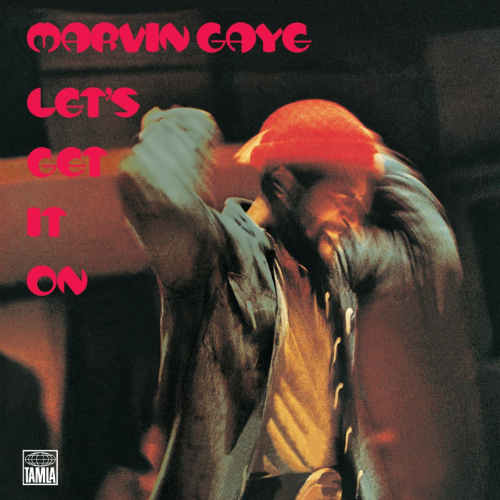
『Kollage』のサンプルクレジットにも、本曲が「Let’s Get It On」の一部を含むことが記載されている。
「Let’s Get It On」は、ソウルミュージックにおける官能性を象徴する作品のひとつである。
しかし「I Confess」は、その有名なムードをそのまま再現するのではなく、ヒップホップのループへ組み替えている。
原曲の開放的で熱を帯びた感情に対し、「I Confess」では必要な部分だけを切り取り、短い反復の中へ閉じ込める。その結果、官能性は残りながらも、より内向的で慎重な空気へ変化している。
これは歌詞のテーマとも一致している。
Marvin Gayeの原曲が欲望を正面から解放する音楽だとすれば、Bahamadiaの「I Confess」は、湧き上がる感情をまだ完全には解放せず、自分の中で確かめながら言葉へ変えていく音楽である。
なお、1996年のシングルには複数のバージョンが存在するため、制作クレジットはバージョンごとに注意して見る必要がある。
一部のデータベースでは「I Confess」のプロデューサーをDJ Premierと一括表記している例もある。これはシングルに収録されたバージョンを区別せず表示している可能性があるため、本記事ではトラック別のクレジットを優先し、アルバムバージョンをN.O. Joe制作として扱う。
トラックメイキングの巧みさは、有名曲を使ったこと自体ではない。
耳なじみのあるソウル素材を過度に前面へ出さず、Bahamadiaの声を中心に再構成した点にある。
サンプル、ベース、ドラム、コーラスのすべてが彼女の低い声へ向かって配置されており、引用された原曲の知名度よりも、完成したヒップホップとしての統一感が優先されている。
トリビア/制作メモ
「I Confess」には、オリジナルのアルバムバージョン以外にも複数のリミックスが存在する。
1996年にはErick Sermonによるリミックスが制作され、こちらではTyrone Davisの「In the Mood」が使用されている。また、The Rootsによるリミックスもシングル展開の中で発表された。
Erick Sermon Remixは、オリジナルよりもファンクの粘りや低域の存在感を強めた仕上がりで、同じラップでも異なる表情を引き出している。
さらに2008年には9th Wonderによるリミックスも存在し、Smokey Robinson and the Miraclesの「My Cherie Amour」を使用したバージョンとして確認されている。
これらのリミックスが成立するのは、Bahamadiaのラップが特定のトラックへ過度に依存していないためでもある。
彼女のフロウには明確なリズムの骨格がある一方、声の温度が一定に保たれている。そのため、ソウル、ファンク、ジャズ寄りのビートへ差し替えても、楽曲の核が失われにくい。
また、本曲が後年の作品でサンプリングされている例も確認されており、ドイツのヒップホップグループEins Zwoによる「Flaschenpost」では、「I Confess」の一部が使用されている。
この事実は、「I Confess」が単なる有名ソウル曲の引用作品ではなく、後の制作者にとって新たな引用元となるほど独自の音像を獲得していたことを示している。
総評
Bahamadiaの「I Confess」は、90年代ヒップホップにおけるラブソングの中でも、特に抑制の美しさが際立つ作品である。
ドラムは過剰に主張せず、ベースは滑らかな土台を作り、Marvin Gaye由来のソウルフルな響きが楽曲へ温度を与える。その中心でBahamadiaは、低く落ち着いた声を崩すことなく、自分の感情を慎重に言葉へ変えていく。
大きな展開はなく、ラップも感情的に爆発しない。
しかし、その抑えた表現の中には、相手への関心、告白することへのためらい、自分自身を失わない強さが同時に存在している。
特に優れているのは、官能的なサンプルと冷静なラップの組み合わせである。
トラックだけを聴けば甘くなりすぎる可能性があるが、Bahamadiaの声が入ることで、楽曲には知性と緊張感が加わる。逆に、彼女のクールなラップだけでは硬くなりすぎるところを、サンプルとバックボーカルが柔らかく包み込んでいる。
それぞれの要素が相手の欠点を補いながら、ひとつの均衡を作っている。
「I Confess」は、技巧を見せつけるための曲ではない。
ビートと言葉の間に余白を残し、そこへ聴き手自身の記憶や感情が入り込めるように作られた曲である。
だからこそ、発表から長い時間が経過しても古さだけが残らない。
恋愛感情を大げさに装飾せず、静かな声のまま正面から認める。その誠実さと成熟したグルーヴが、本曲を今も聴き継ぐ価値のある作品にしている。
エディターズノート
「I Confess」を聴いてあらためて感じるのは、Bahamadiaが“静かにラップするMC”なのではなく、“静かな状態の中にリズムを作れるMC”だということだ。
声量を抑えるだけなら、多くの場合は平坦に聞こえてしまう。
しかし彼女は、語尾の長さ、子音の置き方、小節への入り方、呼吸の位置を細かく変化させ、低いテンションを保ったまま音楽を動かしている。
そのため、曲を流していると自然に聞けるが、意識して追うと非常に精密なラップであることが分かる。
また、Marvin Gayeの「Let’s Get It On」を使った楽曲でありながら、元ネタの強いイメージに飲み込まれていない点も見逃せない。
「I Confess」から感じるのは、原曲を借りた作品という印象ではない。
Bahamadiaの声、90年代らしいドラム、丸みのある低域、控えめなコーラスが結びつき、すでに彼女自身の曲として完成している。
大声で愛を語らず、必要以上に自分を飾らず、ただ本当の気持ちを認める。
その姿勢は、派手な演出が増えた現在の音楽環境において、むしろ新鮮に響く。
Bahamadia – I Confess | Quiet Desire and the Art of Understated Hip-Hop Romance
Hip-hop does not need to shout in order to express love.
An artist does not have to demand another person’s affection with forceful language or build an exaggerated dramatic narrative. Attraction can be communicated through vocal placement, the distance between the voice and the beat, and the smallest shifts in tone.
Bahamadia’s “I Confess” embodies the beauty of this restrained emotional expression.
Running for approximately four minutes and seven seconds, the track creates a single warm, intimate space through the sensual atmosphere inherited from a Marvin Gaye classic, a rounded bassline, understated but solid drums, and Bahamadia’s signature low, fluid delivery.
The title means to openly admit something, but the confession presented here is not an emotional outburst that can no longer be contained.
Instead, Bahamadia calmly examines her feelings and gradually turns her interest in another person into words. That caution and mature sense of distance sit at the center of the song.
Without relying on dramatic changes or flashy technical devices, “I Confess” remains compelling through the natural compatibility between voice and groove. It is one of the clearest examples of Bahamadia’s individuality emerging in its most effortless form.
Artist Introduction
Bahamadia is the stage name of Philadelphia rapper Antonia Reed.
Before establishing herself as an MC, she was involved in hip-hop as a DJ. That experience can be heard in her exceptional rhythmic awareness and her precise sensitivity to the movement of a beat.
She began attracting attention around 1993 with “Funk Vibe.” After developing a connection with Gang Starr’s Guru, she released music through Chrysalis and EMI. In 1996, she issued her debut album, Kollage.
Bahamadia’s defining characteristic is her ability to create a powerful presence without raising her voice.
Her delivery is built around a low, composed tone, relaxed pronunciation, a sharp understanding of the spaces within a beat, and a flow that never pushes the words too aggressively toward the listener. Rather than overwhelming the audience with hard accents, she maintains a consistent emotional temperature and gradually draws the listener into the interior of the track.
In the mid-1990s, hip-hop frequently foregrounded aggression, exaggerated self-assertion, and male-centered values. Bahamadia did not attempt to imitate those forms of expression. Instead, she built her own position through intelligence, composure, and rhythmic sophistication.
“I Confess” presents those qualities in a softer form, opening them up through the structure of a love song.
Background
“I Confess” appears on Bahamadia’s debut album, Kollage, released on March 19, 1996.
The album featured production contributions from DJ Premier, Guru, Da Beatminerz, Ski Beatz, The Roots, and N.O. Joe, among others. As a result, Kollage became a meeting point between New York boom-bap and Philadelphia’s distinct musical sensibility.
The album reached No. 126 on the US Billboard 200, No. 13 on the Top R&B/Hip-Hop Albums chart, and No. 3 on the Heatseekers Albums chart.
Much of Kollage is defined by hard drums and jazz-informed textures, but “I Confess” moves more directly toward R&B and soul than many of the album’s other tracks.
Even so, Bahamadia does not attempt to sing the song like a conventional vocalist. Her rap remains at the center, while the soulful instrumental exists primarily to emphasize the low temperature and smoothness of her voice.
“I Confess” was also released as a single from Kollage. It reportedly reached No. 9 on the Bubbling Under Hot 100, No. 11 on the Hot Rap Songs chart, and No. 45 on the Hot R&B/Hip-Hop Songs chart.
What matters here is not simply that a romantic track was selected as a single.
“I Confess” connected Bahamadia’s underground technical ability with a soulful accessibility capable of reaching a wider audience.
First Impression
The first thing that reaches the ear is not the force of the drums, but the soft humidity surrounding the entire production.
The edges of the sounds are not excessively sharp. Instead, a rounded quality across the low and midrange frequencies envelops the track. The atmosphere suggests a darkened interior or a dimly lit lounge. From the moment the beat begins, the song enters a different emotional space from more aggressive forms of hip-hop.
Material derived from Marvin Gaye’s “Let’s Get It On” naturally supports the track’s sensuality. However, that sensuality never becomes explicit or overwhelming.
Once Bahamadia’s calm voice enters, the track avoids leaning too heavily into sweetness. A careful, intelligent mood remains intact.
The warmth of a love song and the coolness of an MC exist at the same time. That balance defines the distinctive first impression of “I Confess.”
Sound Analysis
Drums
The drums feature the clearly defined kick and snare associated with 1990s East Coast hip-hop, but they are not mixed with unnecessary hardness.
The track can be measured at approximately 167 BPM, but it is more naturally felt in half-time at around 83 to 84 BPM. It moves at a relaxed midtempo pace that allows the body to sway while making every word of the rap easy to follow.
The kick does not drop with overwhelming sub-bass force. Instead, it sits in a position that supports the movement of the bassline. It does not leap aggressively toward the front of the mix, but steadily presses against the foundation of the track.
The snare is relatively dry, although never sharp enough to become abrasive. It clearly establishes the backbeat while remaining controlled enough not to damage the soulful texture of the sample.
The hi-hats and smaller percussion elements are not used to make the arrangement feel busy. Their role is to maintain a consistent rhythmic sway.
This restraint is essential.
Because the drums do not constantly demand attention, Bahamadia’s smaller accents, phrase endings, and pauses become easier to hear. The beat does not compete with the rap or push against it. It moves at the same pace as her delivery.
Bass
The bass is one of the central elements determining the track’s emotional temperature.
Its tone is thick without becoming excessively inflated. Rounded low frequencies repeat steadily, connecting the drums to the sampled material and allowing the entire arrangement to circulate smoothly.
The bassline contains little aggressive bounce or complex development. Instead, its repetition creates a sense of stability, allowing the listener to sink gradually into the interior of the track.
Although the song deals with romantic feeling, it never becomes excessively sweet. One reason is that the low end provides a strong sense of physical grounding.
The combination of soft sampled textures and restrained bass gives the music both sensuality and realism.
Synths and Melody
Rather than presenting a large, dominant lead melody, the track maintains its mood through the repetition of soul-derived phrases and harmonic colors.
The upper layers contain warm keyboard-like tones and soft textures that occasionally resemble distant voices. These elements circulate without moving too far toward the front of the arrangement.
The melody does not drive the story.
Instead, it preserves a consistent emotional atmosphere, functioning as a background capable of receiving the smaller changes in Bahamadia’s language and delivery.
The repeated phrases also create a hypnotic effect. The listener is not encouraged to wait for a dramatic key change or a major climax. Attention is redirected toward the subtle variations occurring within the same harmonic space.
For that reason, the song is not defined by a single overwhelming hook. Its appeal gradually enters the body through repeated listening, as the layers of sound and the spaces within the rap become increasingly noticeable.
Mix
The mix does not push Bahamadia’s voice completely into the foreground. Instead, it allows her delivery to settle naturally inside the instrumental.
The lead vocal remains clear enough to follow, but it is not processed with excessive brightness. The low, smooth quality of her voice is preserved.
Rather than using an exaggerated high-frequency boost to create clarity, the mix retains the midrange body of her voice. Through headphones, the rap feels close, as though it is arriving quietly beside the listener’s ear.
The background vocals and sampled elements sit slightly deeper in the arrangement, surrounding the lead rap rather than competing with it.
There are not many individual sounds, but the depth relationship between them is clearly defined. The bass occupies the low end, the drums and rap hold the center, and the soulful materials remain farther back, creating the necessary sense of space inside a relatively compact mix.
Compared with modern production, the individual elements are not separated with extreme precision. Yet that slight haze contributes to the warmth associated with mid-1990s sample-based hip-hop.
Groove
The groove of “I Confess” does not charge aggressively forward.
Its center of gravity sits slightly behind the beat. The kick, snare, bass, and rap move without rushing one another. Small rhythmic irregularities give human breath to what could otherwise have felt like a mechanical loop.
Bahamadia does not emphasize the beginning of every beat. She occasionally enters slightly late, cuts the ends of phrases short, or alters the distance between her words and the drums.
The comfort of the track does not come from tempo alone.
Every sound leaves a small amount of open space, allowing the listener to breathe within the music.
Although the song centers on a romantic confession, it creates composure rather than urgency. Much of that feeling comes from its laid-back, slightly delayed groove.
Rap and Vocal Analysis
Bahamadia’s performance is built on control rather than volume.
Her voice is low, dry, and slightly breathy. She does not exaggerate the pronunciation of each word. Instead, the lyrics settle into the beat as though they were an extension of ordinary conversation.
That does not make the performance monotonous.
She changes the location of accents within phrases, slightly extends certain endings, and allows words to slide into the next measure. These subtle movements create continuous variation inside a restrained emotional range.
Her flow reflects the rhythmic understanding of someone with DJ experience.
She does not simply place words mechanically over the drums. She reads the space between the kick and snare and understands where each phrase should land for the loop to circulate most naturally.
It is also important that she does not make her voice excessively sweet simply because the subject is romantic.
Bahamadia does not perform the role of a stereotypical woman in love. She speaks about emotion in her natural voice. As a result, the track never sounds flattering or submissive. It feels like an independent person consciously acknowledging her interest in someone else.
The background vocals add a softer color in contrast to Bahamadia’s lower register. The single credits identify X-Cetera as providing backing vocals.
The contrast between the lead rap and the chorus allows the coolness of Bahamadia’s MC performance to coexist with the warmth of the track’s R&B elements.
Lyrics and Themes
At the center of “I Confess” is the act of acknowledging attraction and turning that feeling into language.
However, the track is not a simple celebration of romance.
Bahamadia’s delivery contains a clear sense of caution. She moves closer to the other person without completely surrendering her sense of self.
The word “confess” suggests admitting something that has been kept secret or revealing a feeling that has remained hidden.
As a result, the song conveys the inner state of someone who already feels strongly but is still considering whether those emotions should be expressed openly.
This confession is not a display of weakness.
It is an active decision to understand what one feels and communicate it in one’s own words.
Bahamadia does not ask the other person to determine her value through romance. She acknowledges her attraction while preserving the narrator’s identity and self-respect.
The contrast between the sensual production and the relatively composed rap is also significant.
Because of that difference in temperature, the song suggests an adult form of attraction involving not only physical desire, but also conversation, intelligence, compatibility, and trust.
The emotion feels genuine precisely because it is not delivered through shouting. That restraint gives the lyrical world of “I Confess” its depth.
Sampling and Trackmaking
The album version of “I Confess” uses a portion of Marvin Gaye’s 1973 recording “Let’s Get It On.”
The sample credits for Kollage also identify the track as containing material from “Let’s Get It On.”
“Let’s Get It On” is one of the defining expressions of sensuality in soul music.
However, “I Confess” does not merely reproduce the recognizable mood of the original. It reorganizes that mood into the structure of a hip-hop loop.
Where Marvin Gaye’s song feels open and emotionally heated, “I Confess” selects only the necessary material and encloses it within a short repetition. The sensuality remains, but it becomes more inward, cautious, and controlled.
This transformation matches the lyrical theme.
Where the Marvin Gaye original openly releases desire, Bahamadia’s “I Confess” holds that desire slightly back. It examines the feeling internally before converting it into words.
The 1996 single contains several different versions, so the production credits must be considered separately for each mix.
Some databases identify DJ Premier as the producer of “I Confess” without distinguishing between versions. This may result from combining the single’s different tracks under a single credit. For this article, the track-specific information takes priority, and the album version is treated as an N.O. Joe production.
The skill of the trackmaking does not lie simply in the use of a famous song.
Its success comes from reorganizing familiar soul material around Bahamadia’s voice without allowing the sample to dominate the finished track.
The sample, bass, drums, and backing vocals all point toward her low-register delivery. The identity of the completed hip-hop track is valued more highly than the recognizability of the original source.
Trivia and Production Notes
Several remixes of “I Confess” exist in addition to the original album version.
An Erick Sermon remix was produced in 1996. That version uses Tyrone Davis’s “In the Mood.” A remix by The Roots also appeared during the single’s release cycle.
The Erick Sermon Remix increases the sense of funk weight and low-end presence, drawing a different emotional color from the same vocal performance.
A 9th Wonder remix also appeared in 2008. That version has been identified as using Smokey Robinson and the Miracles’ “My Cherie Amour.”
These reinterpretations are possible partly because Bahamadia’s rap does not depend too heavily on a single instrumental.
Her flow has a clearly defined rhythmic structure, while the emotional temperature of her voice remains stable. As a result, the vocal can be placed over soul-, funk-, or jazz-oriented beats without losing the song’s central identity.
“I Confess” has also been sampled in later recordings. The German hip-hop group Eins Zwo used part of the track in “Flaschenpost.”
This demonstrates that “I Confess” became more than a song built around a famous soul sample. It developed an independent sonic identity strong enough to become a source for later producers.
Overall Review
Bahamadia’s “I Confess” stands out among 1990s hip-hop love songs for the beauty of its restraint.
The drums avoid unnecessary aggression, the bass creates a smooth foundation, and the Marvin Gaye-derived soul textures give the track warmth. At the center, Bahamadia maintains her low, composed voice and carefully turns private emotion into language.
There is no dramatic structural development, and the rap never explodes emotionally.
Yet within that controlled performance exist attraction, hesitation, and the strength required to preserve one’s identity.
The combination of the sensual sample and Bahamadia’s calm delivery is particularly effective.
On its own, the instrumental could easily have become overly sweet. Her voice adds intelligence and tension. At the same time, her cool rap might have felt too severe without the sample and backing vocals, which surround it with warmth.
Each element compensates for what the others lack, creating a carefully maintained equilibrium.
“I Confess” is not a track designed to display technique for its own sake.
It leaves open space between the beat and the words, allowing the listener’s own memories and emotions to enter.
That is why the song does not feel defined only by its age, even decades after its release.
It acknowledges romantic feeling without exaggerating it. It speaks honestly without raising its voice. That sincerity and mature groove continue to make “I Confess” worth hearing.
Editor’s Note
Listening to “I Confess” again makes it clear that Bahamadia is not simply an MC who raps quietly.
She is an MC capable of creating rhythm inside a quiet emotional state.
Lowering one’s volume alone often produces a flat performance.
Bahamadia, however, changes the length of phrase endings, the placement of consonants, her entrances into each measure, and the position of her breathing. She keeps the overall tension low while continuing to move the music.
As a result, the song feels effortless when heard casually, but reveals itself as an extremely precise rap performance when followed closely.
It is also significant that the track is not overwhelmed by the powerful cultural image of Marvin Gaye’s “Let’s Get It On.”
“I Confess” does not feel like a song merely borrowing from a famous original.
Bahamadia’s voice, the distinctly 1990s drums, the rounded low end, and the restrained chorus combine into something that already feels completely her own.
She does not shout about love.
She does not decorate herself more than necessary.
She simply acknowledges what she genuinely feels.
In a modern musical environment often defined by increasingly dramatic presentation, that attitude sounds more refreshing than ever.

コメント