1990年代のG-Funkには、パーティーやローライダー、プレイヤーとしての華やかな生活だけではなく、仲間、死、別離、過去への追憶をメロウなファンクへ落とし込んだ楽曲も数多く存在する。
Vontelの「4 My Homiez」は、まさにその後者に位置する一曲だ。
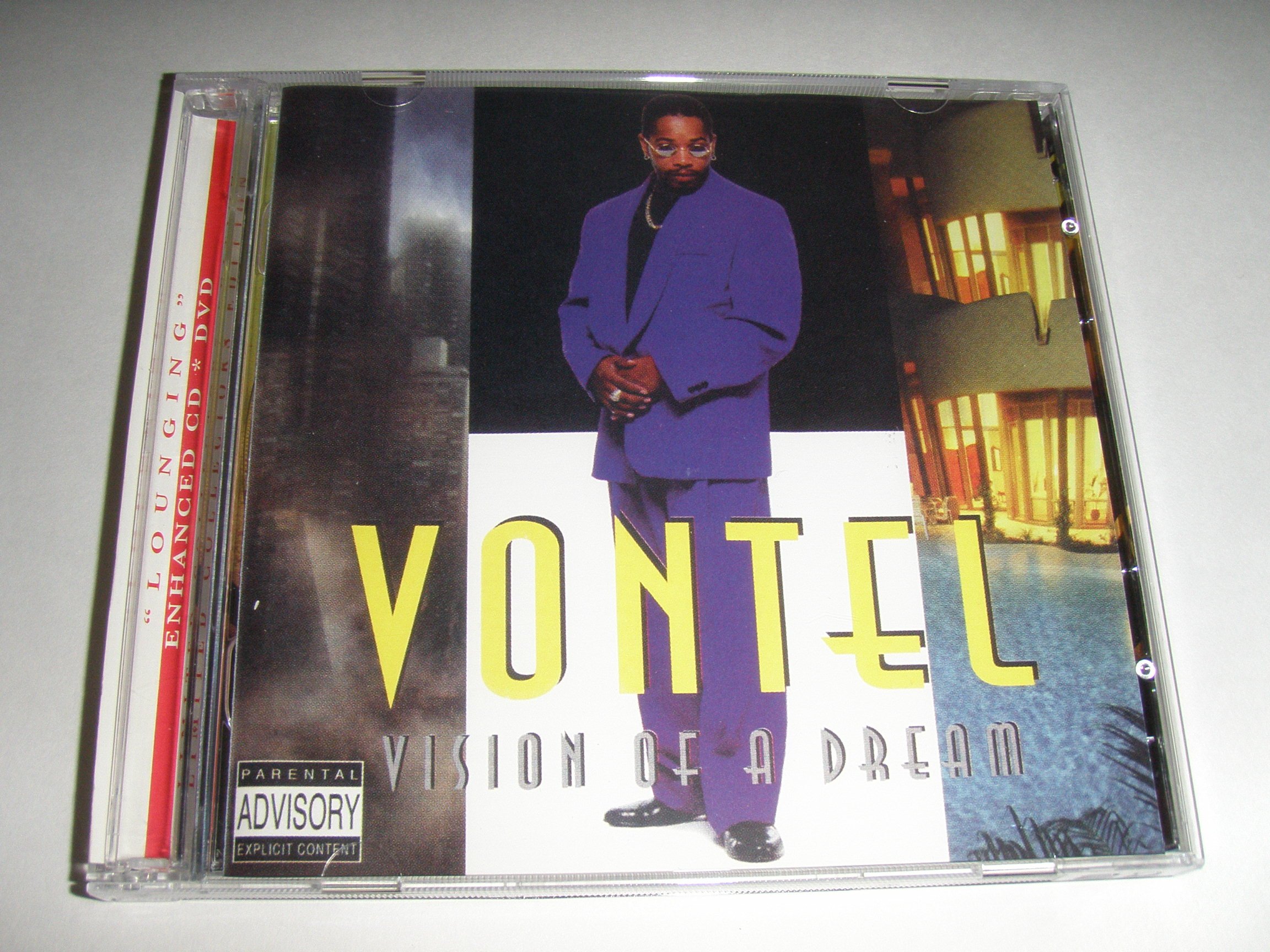
1998年のアルバム『Vision of a Dream』に収録された本曲には、Zappの中心人物として知られるRoger Troutmanが参加。さらにDeonとNikiaがバックボーカルとしてクレジットされている。
今回の音源を解析すると、演奏時間は約4分35秒、テンポは約92.3 BPM。
しかし、この曲の魅力は数字以上に、そのテンポをほとんど急かすことなく使い切る「余裕」にある。
丸みを帯びた低域、規則正しく続くドラム、柔らかな鍵盤系の響き、そしてRoger Troutmanのトークボックス/加工ボーカル。
それらがVontelの落ち着いたラップを囲みながら、単純な“仲間讃歌”では終わらない、どこか過去を振り返るような温度を生み出している。
派手なG-Funkではない。
むしろ夜の街を流しながら、昔一緒にいた仲間の顔を一人ずつ思い出していくようなメロウ・ストリートファンクである。
アーティスト紹介
Vontelは、アリゾナ州フェニックス周辺のシーンから登場したラッパー。
代表作となる『Vision of a Dream』は1998年に発表され、AllMusicでは1998年5月19日発売、全15曲・約58分のアルバムとして記録されている。制作陣にはDre LeSean、Robert “The Professor” Anderson、Battlecatらの名前が並ぶ。
この制作陣だけでも、作品が当時の西海岸G-Funk/Gangsta Rapのサウンドラインと強く接続していたことが分かる。
一方でVontelの面白さは、単なるロサンゼルス系G-Funkの模倣で終わっていないことだ。
アルバム終盤にはフェニックスを象徴する市外局番を冠した「602」も収録されており、地域性を意識した作品構成になっている。
つまりVontelの音楽は、California由来のG-Funk語法を使いながら、それをArizona/Phoenixのローカルラップとして鳴らしたものと捉えることができる。
「4 My Homiez」は、その中でも特にソウルフルで感傷的な側面が前面へ出た楽曲だ。
作品背景
「4 My Homiez」は『Vision of a Dream』の3曲目。
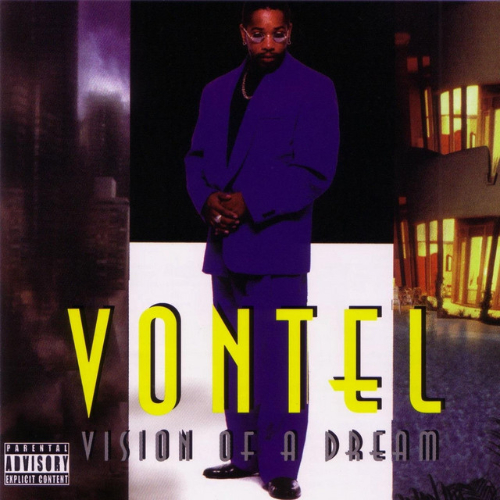
AllMusicでは演奏時間4分35秒、Vontel名義でRoger Troutmanをフィーチャリングした楽曲として掲載されている。
また、同作ではRogerが「Say Playa」にも参加している。Rogerの存在はアルバム内で一度だけの飛び道具ではなく、作品のファンク色を強める重要な要素だったと考えられる。
さらに「Dream No More / 4 My Homiez」のシングル盤では、「4 My Homiez」のプロデューサーとしてDre LeSeanとRobert “The Professor” Andersonがクレジットされている。
アルバム全体にはBattlecatも参加しているが、この曲についてはBattlecat作品と断定せず、Dre LeSean/Robert “The Professor” Anderson制作として扱うのが妥当だろう。
1998年という時期も重要だ。
G-Funkがメジャー市場の中心を支配していた1992〜96年頃を過ぎ、サウンドがよりR&B寄り、メロウ寄り、ローカル寄りへ分岐していた時代である。
「4 My Homiez」は、その“ポスト黄金期G-Funk”らしい落ち着きを持っている。
第一印象
最初に感じるのは、非常に滑らかな曲だということ。
ただし、ただ甘いだけではない。
トラックの底にはしっかりとストリートラップらしい重量があり、その上へRoger Troutmanのファンクネスとバックボーカルの柔らかさが重なっている。
テンポは今回の解析で約92.3 BPM。
極端に遅くはないが、ドラムの置き方とラップの間によって体感速度はそれ以上にゆったりして聞こえる。
前へ走る曲というより、
一定速度で流れ続ける曲。
そのため身体を大きく揺らすというより、首を小さく振りながら長時間そのムードへ浸るタイプだ。
明るさと哀愁も同居している。
コードやボーカルには温かさがある一方、Vontelの声や曲全体の空間にはどこか影が残る。
夕方よりも夜。
パーティー会場よりも車内。
大勢で騒ぐというより、少人数で昔話をするような空気である。
サウンド分析
ドラム
ドラムは非常に整理されている。
曲を派手に動かすための細かなフィルや過剰なブレイクではなく、一定のグルーヴを長時間保つことが優先されている。
キックは低域へ深く沈み込むというより、丸い胴鳴りを持ちながらベースと一体化するタイプ。
スネアは強烈に前へ飛び出さず、ミックスの中央付近に落ち着いている。
この控えめさが重要だ。
もしスネアが硬く乾いていればGangsta Rap色が強くなるが、「4 My Homiez」では角を丸めることで、曲全体をR&B/Soul寄りの質感へ近づけている。
ハイハットも目立ちすぎない。
細かく刻んで疾走感を作るより、キックとスネアの間を補助する役割に徹している。
結果としてビートそのものが主役になるのではなく、ヴォーカルやメロディを乗せる“道路”として機能している。
ベース
低域はこの曲の大きな魅力だ。
今回のスペクトル解析でも250Hz以下が比較的大きな比率を占めており、体感上もベースとキックが曲の土台をかなり強く支えている。
ただし、低音を巨大化して圧迫するタイプではない。
ベースラインは丸く、粘りがあり、ファンク特有の弾力を持つ。
ここでも重要なのは「攻撃性」ではなく「包容力」。
Vontelの声の下を這いながら、Roger Troutmanのボーカルが入ってきても邪魔をしない。
低域を独立した派手なフレーズとして聞かせるより、楽曲全体へ厚みを与える設計になっている。
そのためヘッドフォンより、ある程度低域の出るスピーカーや車内環境で聴いたときにグルーヴの本質が分かりやすい。
シンセ/メロディ
上物は非常にメロウ。
G-Funkという言葉から連想される、鋭く高いポルタメント系リードを延々鳴らすタイプではない。
むしろ柔らかな鍵盤系のコードとファンク由来の装飾音が空間を埋め、そこへRoger Troutmanの加工ボーカルが“もう一つのシンセサイザー”のように入り込む。
Rogerの声は、この曲では単なるゲストボーカルではない。
人間の声でありながら電子楽器のようでもあり、メロディ楽器とコーラスの中間地点にいる。
これによって通常のR&Bコーラスとは異なる、明確なZapp/Roger的世界観が生まれている。
とはいえ「California Love」のようにトークボックスを前面へ押し出して曲全体を支配させるアレンジではない。
あくまでVontelの曲の中へRogerが溶け込んでいる。
この控えめな使い方が非常に上品だ。
ミックス/グルーヴ
ミックスは、1990年代後半のインディペンデントなG-Funkとしてかなりバランスが良い。
今回の解析では全編を通したRMSの変動が比較的小さく、30秒単位で見ても大半の区間が近い音量密度を維持していた。
つまり、
サビだけ極端に大きくなる。
ブレイクで一気に静かになる。
後半に向かって劇的に盛り上がる。
といったダイナミックな構成ではない。
最初に作ったムードを4分半近く維持する。
これが「4 My Homiez」の最大の特徴のひとつだ。
反復が多いため、構成だけ見ればシンプル。
しかし、その変化の少なさがクルージング感につながっている。
映像的に言えば、場面転換を繰り返すMVではなく、夜の道路を一台の車がずっと走っているような曲だ。
ラップ/ボーカル分析
Vontelのラップは、このトラックに対して非常に相性が良い。
声を張り上げて支配するのではなく、ビートの後ろ側へ軽く身体を預けるようなフロウ。
音節をぎっしり詰め込むタイプでもない。
言葉と言葉の間に空間を残す。
この“余白”によってRoger Troutmanやバックボーカルが自然に入り込める。
ラップが楽器を押し退けず、逆にトラック側もラップを覆い隠さない。
結果としてヴォーカル全体がひとつのアンサンブルになっている。
そして曲を決定づけているのがRoger Troutman。
Rogerは「4 My Homiez」にフィーチャリングとして正式にクレジットされており、DeonとNikiaのバックボーカルも確認されている。
Roger特有の機械的な声は、本来なら非常に目立つ。
ところがこの曲では、それが“主役を奪う異物”として聞こえない。
むしろVontelの低めで乾いた声と対照を作ることで、曲に感情の奥行きを与えている。
Vontelが現実を語る声だとすれば、
Rogerはその記憶の奥に残っている感情を歌う声。
そんな役割分担に聞こえる。
歌詞・テーマ
タイトルの「4 My Homiez」が示す通り、中心にあるのは“Homies=仲間”への思いだ。
しかし、曲の温度は単なる仲間自慢とは少し違う。
ストリートラップにおける“Homie”は、一緒に遊ぶ友人という以上の意味を持つ。
同じ地区で育ち、同じ危険を経験し、ときには犯罪や暴力、逮捕、死といった現実まで共有する存在である。
「4 My Homiez」は、その結び付きを祝うと同時に、すでに時間が過ぎてしまったことを感じさせる。
そこが非常に重要だ。
若さの真っただ中で仲間と騒ぐ曲ではなく、
少し距離を置いた場所から、かつての仲間を振り返る曲。
だからサウンドにも哀愁が必要になる。
もし同じテーマを激しいビートへ乗せれば“クルーへの忠誠”になる。
しかし、このメロウなビートとRoger Troutmanの声を使うことで、“記憶”や“追悼”に近い感触が生まれている。
タイトルはシンプルだが、曲そのものには人生の時間経過を感じさせる深さがある。
トリビア
「4 My Homiez」は『Vision of a Dream』3曲目として収録されている。
Roger Troutmanは本曲だけでなく、同アルバムの「Say Playa」にもフィーチャリングされている。
「Dream No More / 4 My Homiez」のシングルでは、Roger TroutmanがB面「4 My Homiez」のフィーチャリングとして記載され、Dre LeSeanとRobert “The Professor” Andersonがプロデューサーとしてクレジットされている。
アルバム全体の制作陣には、Dre LeSean、Robert “The Professor” Andersonに加え、DJ Battlecatも名を連ねる。
制作メモ
確認できる情報
アルバム:『Vision of a Dream』
発表年:1998年
収録位置:3曲目
フィーチャリング:Roger Troutman
バックボーカル:Deon、Nikia
「4 My Homiez」シングル記載プロデューサー:Dre LeSean、Robert “The Professor” Anderson
音源解析・聴感ベース
音源の長さ:約4分35秒
解析テンポ:約92.3 BPM
楽曲全体の音量密度は比較的一定で、大きなダイナミック変化よりも反復によるムード維持を重視。
低域はしっかり確保されているが、現代的なサブベースのような圧迫感より、中低域を含めた丸いファンク感が中心。
ドラムは音数を増やさず、ラップ/コーラスが入る余白を残す設計。
Roger Troutmanのボーカルは前面へ出すぎず、シンセ/コーラス/メロディの中間的な役割を果たしている。
全体としては、激しいGangsta Rapよりも、
Mellow G-Funk
West Coast Rap
R&B
P-Funk
の交点にあるサウンドと捉えるのが最も自然だ。
総評
「4 My Homiez」は、“Roger Troutmanが参加した珍しいローカルG-Funk”という情報だけでも十分に興味深い。
しかし、実際に音源を掘り下げると価値はそこだけではない。
約92.3 BPMという絶妙なミッドテンポ。
丸いベース。
決して前へ出すぎないドラム。
甘さを持ちながら夜の影を残すコード。
力を抜いたVontelのラップ。
そして、そのすべての隙間へRoger Troutmanの声が入ってくる。
要素だけなら典型的なG-Funkに見える。
だが、実際にはかなり内省的だ。
「仲間」というテーマを、勝利や結束の象徴だけではなく、“時間が過ぎたあとに残る記憶”として鳴らしているところに、この曲ならではの魅力がある。
Phoenixというローカルな土地から生まれながら、Roger Troutmanというファンク史の重要人物を迎え、それでも主役をRogerに明け渡さずVontel自身の世界観へ取り込んだ。
そこに『Vision of a Dream』という作品の完成度が表れている。
派手なシンセリードや巨大なベースを求めるG-Funkではない。
夜、車を走らせながら静かに浸るためのG-Funk。
「4 My Homiez」は、そんな言葉がよく似合う一曲だ。
エディターズノート
Roger Troutman参加という情報だけを見ると、もっと派手でファンキーな曲を想像するかもしれない。
しかし「4 My Homiez」の本当の良さは、Rogerを大きく見せすぎていないところにある。
Vontelのラップ、バックボーカル、ベース、鍵盤、トークボックスがほぼ同じ風景の中に収まり、誰か一人だけが突出しない。
だから4分半という長さでもムードが途切れない。
G-Funkの魅力は高音シンセやローライダー向けの重低音だけではない。
ファンクを使って“記憶”を描くこともできる。
「4 My Homiez」は、そのことを静かに証明している。
今回ご紹介の楽曲の購入はこちらからどうぞ

Vontel – 4 My Homiez | Mellow G-Funk Where Friendship, Memory, and Roger Troutman Meet
1990s G-Funk was never limited to party anthems, lowriders, and glamorous tales of the player lifestyle. The genre also produced countless songs that transformed friendship, death, separation, and memories of the past into mellow, deeply soulful funk.
Vontel’s “4 My Homiez” belongs firmly to that latter tradition.
Featured on his 1998 album Vision of a Dream, the track includes a guest appearance from Roger Troutman, the legendary figure at the heart of Zapp. Deon and Nikia are also credited with background vocals.
Analysis of the audio gives the track a running time of approximately 4:35 and a tempo of around 92.3 BPM.
But the appeal of “4 My Homiez” lies less in those numbers than in the sense of space with which the song uses them.
Rounded low end, steady drums, soft keyboard textures, and Roger Troutman’s talk-box/processed vocals surround Vontel’s relaxed delivery, creating something deeper than a simple tribute to the homies.
There is a reflective quality to the entire record, as though it is constantly looking back.
This is not flashy G-Funk.
It is mellow street funk for cruising through the city at night, remembering the faces of the people who used to ride beside you.
Artist Introduction
Vontel is a rapper who emerged from the Phoenix, Arizona scene.
His best-known album, Vision of a Dream, was released in 1998. AllMusic lists the album with a May 19, 1998 release date, 15 tracks, and a total running time of approximately 58 minutes. Its production credits include names such as Dre LeSean, Robert “The Professor” Anderson, and Battlecat.
That production lineup alone shows how closely the album was connected to the West Coast G-Funk and Gangsta Rap sound of its era.
What makes Vontel particularly interesting, however, is that his music does not simply feel like an imitation of Los Angeles G-Funk.
Near the end of Vision of a Dream is a track titled “602,” named after the area code associated with Phoenix, reinforcing the album’s regional identity.
Vontel’s music can therefore be understood as taking a musical vocabulary largely developed through California G-Funk and reshaping it within the context of Arizona and Phoenix street rap.
Among the tracks on Vision of a Dream, “4 My Homiez” represents one of its most soulful and emotionally reflective moments.
Background
“4 My Homiez” appears as the third track on Vision of a Dream.
AllMusic lists it at 4:35 and credits it to Vontel featuring Roger Troutman.
Roger also appears on another track from the album, “Say Playa.” His involvement was therefore more than a one-off guest appearance; his presence helped strengthen the album’s connection to funk.
The “Dream No More / 4 My Homiez” single also credits Dre LeSean and Robert “The Professor” Anderson as producers of “4 My Homiez.”
Although Battlecat appears among the production personnel associated with Vision of a Dream as a whole, it would be inaccurate to automatically identify “4 My Homiez” as a Battlecat production. Based on the available single credits, Dre LeSean and Robert “The Professor” Anderson are the appropriate producers to associate specifically with this track.
The year 1998 is also significant.
By this point, the period when G-Funk had dominated the mainstream rap market—roughly 1992 through 1996—had already passed. The sound was beginning to branch into more R&B-oriented, mellow, and increasingly regional variations.
“4 My Homiez” carries precisely that kind of post-golden-era G-Funk atmosphere.
First Impression
The first thing that stands out is how smooth the record feels.
But it is not simply sweet or soft.
There is still considerable weight underneath the production, firmly grounding the song in street rap. On top of that foundation sit Roger Troutman’s unmistakable funk character and the warmth of the background vocals.
Audio analysis places the tempo at approximately 92.3 BPM.
That is not particularly slow, yet the placement of the drums and the spaciousness of Vontel’s delivery make the track feel considerably more relaxed than the BPM might suggest.
This is not a song that rushes forward.
It cruises at a constant speed.
Rather than demanding large physical movement, it encourages a subtle head nod and allows the listener to remain immersed in the same atmosphere for several minutes.
Warmth and melancholy exist simultaneously.
There is comfort in the chords and vocals, but Vontel’s voice and the space surrounding the instrumental retain a certain darkness.
This feels more like nighttime than sunset.
More like the inside of a car than a crowded party.
More like a few old friends sharing memories than a room full of people celebrating.
Sound Analysis
Drums
The drums are remarkably disciplined.
Rather than relying on constant fills, dramatic breaks, or intricate programming to keep the track moving, the production prioritizes maintaining a consistent groove.
The kick does not simply plunge into the deepest frequencies. Instead, it has a rounded body that allows it to blend naturally with the bass.
The snare never jumps aggressively to the front of the mix. It remains comfortably positioned around the center of the track.
That restraint matters.
A harder and drier snare could have pushed the production toward a more aggressive Gangsta Rap aesthetic. By softening those edges, “4 My Homiez” moves closer to the textures of R&B and soul.
The hi-hats are similarly understated.
Instead of using rapid subdivisions to generate momentum, they mainly support the spaces between the kick and snare.
As a result, the beat itself never demands to become the main attraction.
It functions more like a road on which the vocals and melodies can travel.
Bass
The low end is one of the track’s greatest strengths.
Spectral analysis of the supplied audio shows a relatively significant presence below 250 Hz, and the listening experience confirms that the bass and kick provide a substantial foundation for the entire track.
Yet this is not the kind of production that tries to overwhelm the listener with enormous low frequencies.
The bass is rounded, elastic, and slightly sticky, carrying the physical bounce associated with funk.
Once again, the important quality here is not aggression but warmth.
The bass moves underneath Vontel’s voice without interfering when Roger Troutman’s vocals enter the arrangement.
Rather than presenting the bass as a spectacular standalone phrase, the production uses it to increase the density and physical warmth of the entire record.
For that reason, the essence of the groove becomes particularly clear through speakers capable of reproducing a healthy amount of low end—or, appropriately enough, inside a car.
Synths / Melody
The upper layers are deeply mellow.
This is not the type of G-Funk production dominated by the sharp, high-pitched portamento synth leads most commonly associated with the genre.
Instead, soft keyboard chords and funk-derived melodic embellishments fill the space, while Roger Troutman’s processed vocals enter almost like an additional synthesizer.
Roger’s voice is therefore more than a conventional guest vocal.
It is simultaneously human and electronic, occupying a space somewhere between melodic instrument and vocal harmony.
That immediately introduces the unmistakable sonic language associated with Zapp and Roger Troutman.
Yet the arrangement does not push the talk box to the front in the manner of a record such as “California Love,” where the processed vocal becomes one of the dominant musical signatures.
Here, Roger is integrated into Vontel’s record.
That restraint is one of the production’s most elegant qualities.
Mix / Groove
For independent late-1990s G-Funk, the mix is impressively balanced.
Analysis of the supplied audio indicates relatively limited variation in overall RMS level throughout the track, with most 30-second sections maintaining a similar degree of loudness and density.
In other words, the arrangement does not depend on dramatic contrasts.
The chorus does not suddenly become enormously louder.
The breaks do not collapse into near silence.
The final section does not build toward an exaggerated climax.
Instead, “4 My Homiez” establishes its atmosphere early and maintains it for almost four and a half minutes.
That consistency is one of the song’s defining characteristics.
Structurally, there is a great deal of repetition.
But the lack of constant change is precisely what creates its cruising quality.
Visually, it feels less like a music video filled with rapid scene changes and more like watching a single car travel continuously down a city road at night.
Rap / Vocal Analysis
Vontel’s delivery fits the production extremely well.
Rather than raising his voice and attempting to dominate the instrumental, he seems to lean slightly behind the beat.
His verses are not overloaded with syllables.
He leaves space between phrases.
That breathing room allows Roger Troutman and the background vocals to enter naturally.
The rap never pushes the instrumentation aside, and the instrumental never buries the rapper.
Instead, the different vocal elements begin to function as part of the same ensemble.
Roger Troutman ultimately gives the song much of its unique identity.
He is officially credited as a featured artist on “4 My Homiez,” while Deon and Nikia are credited with background vocals.
Roger’s mechanically altered voice is naturally capable of attracting enormous attention.
Yet here, it never sounds like an outside element arriving to steal the spotlight.
Instead, it contrasts with Vontel’s lower, drier vocal tone and gives the song greater emotional depth.
If Vontel represents the voice describing reality, Roger sounds almost like the emotion that remains somewhere inside those memories.
That contrast becomes one of the record’s most powerful characteristics.
Lyrics / Themes
As the title “4 My Homiez” suggests, the central theme is Vontel’s connection to his homies.
But the emotional temperature of the song feels different from a straightforward celebration of friendship or crew loyalty.
Within street rap, the word “homie” often carries considerably more weight than simply meaning a friend.
A homie may be someone who grew up in the same neighborhood, experienced the same dangers, and sometimes shared realities involving crime, violence, incarceration, or death.
“4 My Homiez” celebrates that bond while simultaneously creating the sense that time has already passed.
That distinction is crucial.
This does not feel like a song about young men celebrating together in the middle of the moment.
It feels more like looking back at the people who were once there.
That is why the melancholy in the production matters.
Place the same subject over an aggressive beat and the result might primarily communicate loyalty to the crew.
Place it over this mellow production, surrounded by Roger Troutman’s voice, and it begins to feel closer to memory and remembrance.
The title may be simple, but the atmosphere suggests something deeper: the passage of time and the emotional traces left behind by the people who shared part of your life.
Trivia
“4 My Homiez” appears as track three on Vision of a Dream.
Roger Troutman is featured not only on this song but also on “Say Playa” from the same album.
On the “Dream No More / 4 My Homiez” single, Roger Troutman is listed as the featured artist on the B-side, “4 My Homiez,” while Dre LeSean and Robert “The Professor” Anderson are credited as producers.
The broader production team associated with Vision of a Dream also includes DJ Battlecat alongside Dre LeSean and Robert “The Professor” Anderson.
Production Notes
Confirmed Information
Album: Vision of a Dream
Release year: 1998
Track position: No. 3
Featured artist: Roger Troutman
Background vocals: Deon, Nikia
Producers credited for “4 My Homiez” on the single: Dre LeSean, Robert “The Professor” Anderson
Audio Analysis / Listening-Based Observations
Running time: approximately 4:35
Analyzed tempo: approximately 92.3 BPM
The overall loudness and density remain relatively consistent throughout the track, prioritizing repetition and sustained atmosphere over major dynamic shifts.
The low end is substantial, but rather than the extreme pressure of modern sub-bass, the emphasis is on a rounded funk character extending through the bass and lower-mid frequencies.
The drums remain deliberately uncluttered, leaving space for the rap and vocal harmonies.
Roger Troutman’s processed vocals rarely dominate the foreground, instead functioning somewhere between synthesizer, chorus, and melodic instrument.
Overall, the sound is most naturally understood as existing at the intersection of:
Mellow G-Funk
West Coast Rap
R&B
P-Funk
Overall Review
“4 My Homiez” would already be fascinating simply as a relatively obscure regional G-Funk record featuring Roger Troutman.
But a deeper listen reveals that its value extends far beyond that historical curiosity.
The carefully judged mid-tempo pace of approximately 92.3 BPM.
The rounded bass.
The drums that never demand too much attention.
The warm chords that still leave shadows hanging over the nighttime atmosphere.
Vontel’s relaxed delivery.
And Roger Troutman’s voice entering through the spaces between all of those elements.
On paper, these ingredients might sound like conventional G-Funk.
In practice, the record is surprisingly introspective.
Its greatest strength lies in presenting the idea of “homies” not simply as a symbol of unity or victory, but as something remembered after time has passed.
Emerging from the local Phoenix scene while featuring one of the most important figures in funk history, the song could easily have allowed Roger Troutman’s presence to overshadow everything else.
Instead, Vontel and the production team absorb Roger into their own world.
That speaks to the strength of Vision of a Dream as a complete artistic statement.
This is not G-Funk for listeners searching primarily for screaming synth leads or enormous lowrider bass.
This is G-Funk for driving through the city at night and quietly disappearing into your own memories.
Few descriptions fit “4 My Homiez” better than that.
Editor’s Note
Seeing Roger Troutman’s name in the credits might lead listeners to expect something much louder, flashier, and more overtly funky.
But the real beauty of “4 My Homiez” comes from the decision not to make Roger larger than the song itself.
Vontel’s rap, the background vocals, bass, keyboards, and talk-box textures all occupy essentially the same landscape. No single element completely overwhelms the others.
That is why the atmosphere survives for the entire four-and-a-half-minute running time.
G-Funk was never only about high-pitched synthesizers and lowrider-ready bass.
Funk could also be used to express memory.
“4 My Homiez” quietly proves it.
コメント