ここまで楽しそうな音で、ここまで容赦なく相手を攻撃する曲は珍しい。
DJ Quikの「Boom」は、弾力のあるベース、跳ねるドラム、コミカルに揺れるシンセを鳴らしながら、Quikが自分を批判するライバルたちへ怒りを叩きつけるディス・トラックだ。
約103BPMで進むビートは明るく、車で流してもパーティーで鳴らしても自然に身体が動く。しかし、その上に乗る言葉は極めて攻撃的である。
成功者への嫉妬、仲間からの裏切り、売上を競うラッパー、Quikのスタイルを模倣する者たち。そうした対象を一つずつ切り刻みながら、最後には曲名の「Boom」を銃声と自身の影響力の両方に重ねていく。
軽快なファンクで相手を油断させ、笑いながら警告を突きつける。
「Boom」は、DJ Quikの音楽的な余裕と、敵対者に対する苛烈な一面が同居した一曲である。
アーティスト紹介
DJ Quikは、カリフォルニア州コンプトン出身のラッパー、プロデューサー、ミュージシャンである。
本名はDavid Marvin Blake。
1991年のアルバム『Quik Is the Name』で広く知られるようになり、コンプトンを代表するラッパーの一人となった。同時に、ドラム・プログラミング、ベース、鍵盤、ミックスまで細部にこだわるプロデューサーとしても高い評価を受けている。
Quikの音楽には、P-Funk、エレクトロ、R&B、ソウル、ジャズなどの要素が入り込んでいる。
ただし、単に古いファンクを引用するだけではない。
ドラムのわずかな跳ね、ベースとキックの位置関係、左右に配置されたシンセ、声を含めた空間設計まで組み立てることで、すぐにQuikだと分かる立体的なサウンドを作り出している。
「Boom」でも、その音楽的な特徴がはっきりと表れている。
作品背景
「Boom」は、一般的なDJ Quikのスタジオ・アルバムには収録されていない、アーカイブ的な位置づけの楽曲である。
確認できる盤では、2007年にDeath Row Records名義で流通した『The Death Row Sessions EP』に、約5分54秒の楽曲として収録されている。
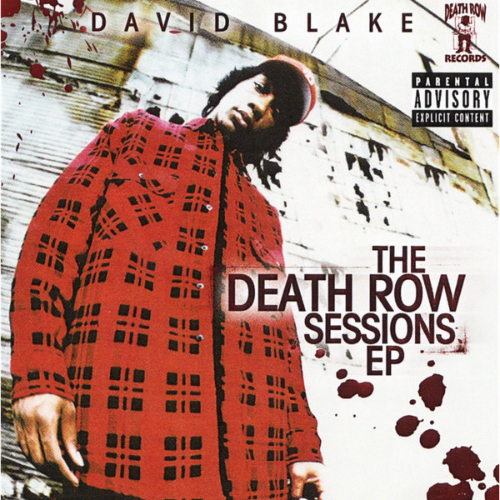
一方、ネット上で流通している音源情報には1994年録音とする表記も見られるが、正式な録音日、初出時期、参加ミュージシャン、完全な制作クレジットを裏づける一次資料は確認できない。
そのため、2007年を「制作年」と断定することはできない。2007年は、あくまで確認できるEPの発売年である。
歌詞では、Quikが自分の成功を妬み、陰で悪口を言いながら、そのスタイルを模倣する同業者たちを激しく攻撃している。
曲中に特定の相手を連想させる表現はあるものの、音源に明確な名指しがない箇所も多い。
DJ QuikとMC Eihtの対立は1990年代を通して続き、「Dollaz + Sense」など複数のディス曲を生んだことで知られている。そのため「Boom」も、その対立と関連づけて聴かれることがある。もっとも、現時点で確認できた盤情報には、特定の相手へ向けた曲だと断定できる公式解説は掲載されていない。
第一印象
最初に耳へ飛び込んでくるのは、攻撃的な歌詞よりも、柔らかく弾むファンクの感触である。
冒頭ではQuikが、
すべてが順調に見えるときほど、自分の判断に逆らうような曲を作らなければならない
という趣旨の言葉を語る。
ここには、この曲の性格が集約されている。
商業的には明るく洗練された音楽を作れるQuikが、あえて業界内の不満、嫉妬、裏切りを露出させる。つまり「Boom」は、成功者としての表面を一度壊し、その内側に蓄積していた怒りを吐き出す曲なのである。
しかし、ビートは重苦しくない。
丸く跳ねるベースと、口を開閉するように揺れるシンセが、どこか漫画的な動きを作っている。そのため、言葉は危険でありながら、曲全体には独特のユーモアと爽快感がある。
怒りをそのまま騒音へ変えるのではなく、踊れる音楽として成立させている点がDJ Quikらしい。
サウンド分析
ドラム
テンポは実測で約103BPM。
ミドルテンポのファンクとしては比較的軽快で、頭を振るだけでなく、腰や肩まで自然に動かせる速さに設定されている。
キックは低く沈み込むタイプではなく、短く締まっている。ベースが低域の存在感を担当しているため、キックはビートの輪郭と前進力を作る役割に集中している。
スネアは硬く、乾いている。
強く打ち下ろすというより、一定の位置へ正確に置かれることで、Quikのラップを押し出している。スネアの残響を短く抑えているため、約6分近い曲でもリズムが重たくなりすぎない。
ハイハットや細かなパーカッションは前面に出てこない。
派手な連打で勢いを作るのではなく、キック、スネア、ベースの間に細かなアクセントを配置し、グルーヴを内側から揺らしている。
全体としては打ち込みを基盤としながらも、完全に機械的ではない。音の強弱とわずかなタイミングのずれによって、人間が演奏しているような柔らかさが残されている。
ベース
この曲の中心にあるのは、丸く太いファンク・ベースである。
低音は一つの音を長く伸ばし続けるのではなく、短いフレーズを反復しながら、キックの隙間へ入り込んでいく。
ベースの動きには、身体を左右へ揺らすような弾力がある。
極端に低いサブベースではなく、中低域にも輪郭を持たせているため、小さなスピーカーでもフレーズの動きを追いやすい。音量で威圧するベースではなく、演奏の表情で曲を支えるベースだ。
フックで「Boom」が繰り返される場面でも、ベースは大きく変化しない。
同じリフを維持することで、言葉の反復を強調し、「Boom」という一語を曲全体のリズムへ変えている。
このベースがなければ、楽曲は単なる攻撃的なディス・ラップに聞こえただろう。
しかし、低音が陽気に跳ね続けることで、Quikは怒りを見せながらも、音楽的な余裕を失わない。
シンセ・メロディ
最も印象に残るのは、ワウをかけたように母音が変化するシンセである。
「ワウ」「ニャウ」と口を開閉するような音色が、ベースの動きへ応答し、曲にコミカルな表情を加えている。
このシンセは旋律を細かく演奏するというより、短い音型を反復してリズムの一部として機能している。
その奥には、柔らかいコードを奏でる鍵盤が置かれている。鍵盤はコード進行を大きく展開させず、同じ空気を維持することで、ラップを前面に残している。
後半のインストゥルメンタル部分では、シンセの存在感がさらに強くなる。
ラップが一時的に止まると、それまで伴奏に見えていた各音が前へ出てくる。ベース、ワウ系シンセ、鍵盤が交互に会話し、Quikが単なるループではなく、一つのファンク・バンドのようにトラックを組み立てていることが分かる。
終盤には高音域のシンセ・リードも現れ、長い曲に最後の変化を加えている。
ミックス・グルーヴ
ミックスは、ボーカルを中央へ置き、ベースとドラムを太く保ちながら、シンセや効果音を左右へ広げる構成である。
Quikの声は非常に近い。
リバーブを深くかけず、口元の乾いた質感を残しているため、まるで本人が目の前で相手を罵倒しているように聞こえる。
一方、シンセは左右へ動き、ボーカルの周囲に広い空間を作っている。
この中央と両端の対比によって、曲には密度がありながら窮屈さがない。
また、すべての音を常に鳴らし続けるのではなく、ラップの語尾やブレスに合わせて空間を残している。
DJ Quikのトラックでは、音数の多さよりも、各パートがどこで鳴り、どこで止まるかが重要である。「Boom」でも、その引き算によって約6分の長さを感じさせないグルーヴが作られている。
ラップ/ボーカル分析
Quikのラップは、最初から最後まで怒鳴り続けるタイプではない。
冒頭では会話に近い口調で状況を説明し、徐々に相手への苛立ちを強めていく。
声には怒りがあるものの、フロウ自体は冷静だ。
ビートの前へ飛び出す場面と、わずかに後ろへもたれる場面を使い分け、同じテンポの中に細かな緊張と解放を作っている。
特に目立つのは、一つの韻を連続させながら、次の攻撃材料へ自然に移動していく構成である。
Quikは単に侮辱語を並べるのではなく、
- 成功者として受ける圧力
- 仲間を助けても裏切られる苛立ち
- 自分のスタイルを模倣する者への軽蔑
- 売上や金を基準にした優劣
- 対面したときに逃げる者への警告
という複数の話題をつなげている。
言葉数は多いが、発音が明瞭で、ビートに対して極端に詰め込まない。そのため、内容の攻撃性とは対照的に、耳には滑らかに入ってくる。
フックでは、Quikの「Boom」に別の声が短い合いの手を返す。
このコール&レスポンスによって、個人的な怒りが観客を巻き込むアンセムへ変化する。
後半には長めのブレイクが設けられ、Quikが一度ラップを止める。
ところが曲は終わらず、再び「まだ終わっていない」と宣言するようにラップへ戻る。この構成によって、第三ヴァースはアンコールではなく、最後の追撃として聞こえる。
歌詞・テーマ
成功の裏側にある孤立
第一ヴァースでQuikが語るのは、成功者として見られる自分と、その裏側で感じている圧力の差である。
外側から見れば、有名になり、高価な車に乗り、ホテルやヨットでパーティーを開き、多くの女性に囲まれている。
しかし、その成功によって周囲の態度は変化する。
以前一緒に行動していた者たちは距離を取り、誰の側につくべきか迷い、自分の名前を利用して注目を集めようとする。
ここで描かれているのは、成功そのものへの喜びではない。
成功したことで、人間関係の本性が見えてしまう孤独である。
Quikは金や知名度を誇示しながらも、それによって失った信頼を強く意識している。
模倣者への怒り
第二ヴァースでは、Quikの髪形、服装、振る舞い、音楽的なスタイルを模倣する者たちが攻撃される。
Quikは、自分が流行を生み出した側であり、相手はそれを後からコピーしただけだと主張する。
ここで重要なのは、単なる外見の模倣だけを問題にしていない点だ。
Quikにとって、服装や髪形は音楽、地域性、ストリートでの立場を含めた自己表現である。その表面だけを利用しながら、本人を批判する者が許せないのである。
曲中の笑い声や軽い言い回しも、相手を真正面から恐れていないことを示している。
激怒しているというより、自分には到底追いつけない相手を見下ろし、楽しみながら攻撃している。
売上と実力
Quikは、相手のレコード売上や金銭的な立場にも触れる。
しかし、自分のシングルが相手より売れなくても酒があれば構わない、といった趣旨の発言もあり、単純に商業的な数字だけを誇るわけではない。
この矛盾が興味深い。
Quikは数字を攻撃材料として使いながらも、本当に重要なのは、音楽を作り続けられる実力と、現場での存在感だと考えている。
だからこそ、相手がどれだけ作品を出しても、自分のように「Boom」を起こすことはできないと断言する。
「Boom」が意味するもの
曲名の「Boom」には複数の意味が重ねられている。
第一に、銃声である。
Quikは相手へ対面での衝突を警告し、銃の発射音を想起させる言葉として「Boom」を使う。
第二に、スピーカーから鳴る低音である。
キックとベースが生み出す衝撃そのものが「Boom」であり、フックでは言葉とビートが一体化している。
第三に、音楽業界で起こす影響である。
Quikの曲、スタイル、存在感は、模倣者には再現できない爆発を起こす。
つまり「お前にはBoomを起こせない」という言葉は、単に相手が銃を使えないという意味ではない。
相手には本物の影響力も、独創性も、Quikと同じ存在感もないという宣告なのである。
第三ヴァースの危険な追撃
長いインストゥルメンタル・ブレイクの後、Quikは再びラップを始める。
ここでは攻撃がさらに個人的になる。
相手の女性関係や家族にまで言及し、最後には自分の名前を口にするなと警告する。
第一、第二ヴァースでは業界や模倣者全体への批判として聞こえる部分もあったが、第三ヴァースでは対象との距離が急激に近くなる。
この変化により、曲は単なる自慢や一般的な警告ではなく、現実の対立を背景にしたディス・トラックとしての危険性を強める。
ただし、正式な歌詞カードや公式解説を確認できないため、攻撃対象の全員を特定することはできない。
トリビア/制作メモ
- 音源の長さは約5分55秒。
- 実測テンポは約103BPM。
- 一般的なスタジオ・アルバム本編ではなく、『The Death Row Sessions EP』収録曲として確認できる。
- 同EPは2007年にDeath Row Recordsから流通したCDr作品として登録されている。
- ネット上には1994年制作とする表記が存在するが、正式な録音日を確認できる一次資料は見つかっていない。
- 音源の主要ボーカルはDJ Quik。
- フックでは別声によるコール&レスポンスが使われているが、参加者名は不明。
- プロダクションはDJ Quikによるものと広く表記されているが、今回確認できた盤情報では詳細な演奏者クレジットまでは判明しなかった。
- 曲中には長いインストゥルメンタル・ブレイクがあり、ラップ曲であると同時に、Quikのファンク・トラックとしても楽しめる構成になっている。
- 検証可能なサンプリング情報は確認できなかったため、サンプリング元の断定は避ける。
総評
DJ Quikの「Boom」は、怒りを暗く重いビートへ乗せるのではなく、明るく踊れるファンクへ変換したディス・トラックである。
約103BPMの軽快なドラム、弾むベース、口を開閉するようなシンセ。音だけを聴けば、コンプトンの街をゆっくり流すための陽気なWest Coast Funkにも聞こえる。
しかし、その上でQuikは、成功者を妬む者、名前を利用する者、スタイルを模倣する者、対面では何もできない者を次々と攻撃していく。
この音と言葉の落差こそが、本作最大の魅力だ。
激しい言葉を使っていても、Quikは音楽的なコントロールを失わない。
声を荒らしすぎず、フロウを崩さず、ベースとドラムの隙間へ言葉を正確に置く。さらに長いインストゥルメンタル部分を設け、自分がラッパーであるだけでなく、優れたプロデューサーであることまで示している。
「Boom」は、DJ Quikの代表曲として広く知られた作品ではない。
それでも、ファンク、ユーモア、技術、怒り、危険なストリート感覚というQuikの複数の側面が、一曲の中に濃縮されている。
明るい音だから安全なのではない。
笑っているから怒っていないのでもない。
軽快なファンクの奥に隠された敵意が、最後まで止まらず鳴り続ける。
それがDJ Quikの「Boom」である。
前回ご紹介の DJ Quik の曲はこちら
DJ Quik – Boom | Bright Funk, Bitter Enemies and the Sound of a Warning Shot
It is rare to hear a track this much fun sound this ruthless.
DJ Quik’s “Boom” is a diss record built on elastic bass, bouncing drums, and synths that wobble with an almost cartoonish sense of humor.
At approximately 103 BPM, the beat feels bright and mobile.
It works in a car.
It works at a party.
It makes the body move naturally.
But the words sitting on top of it are anything but friendly.
Jealousy toward successful artists.
Betrayal from people once considered friends.
Rappers competing over sales.
People copying Quik’s look and musical style.
He cuts through those targets one by one before turning the word “Boom” into something larger than a simple hook.
It becomes the sound of gunfire.
The impact of bass through a speaker.
And the kind of musical explosion Quik believes his imitators can never reproduce.
He disarms the listener with lighthearted funk, then delivers the warning with a smile.
“Boom” captures both sides of DJ Quik perfectly:
the relaxed musician who can make almost anything groove,
and the ruthless competitor who does not forget disrespect.
Artist Introduction
DJ Quik is a rapper, producer, and musician from Compton, California.
His real name is David Marvin Blake.
He became widely known through his 1991 album Quik Is the Name and developed into one of the most recognizable artists to emerge from Compton.
At the same time, he built a reputation as a producer obsessed with detail.
Drum programming.
Bass.
Keyboards.
Mixing.
Stereo placement.
Even the small spaces between individual sounds.
Quik’s music draws from P-Funk, electro, R&B, soul, jazz, and other forms of Black popular music.
But he does not simply borrow older funk sounds.
He rebuilds them.
The slight swing of the drums.
The relationship between kick and bass.
Synths placed across the stereo field.
The exact amount of space surrounding the vocal.
Those decisions create a three-dimensional sound that is immediately recognizable as Quik.
“Boom” makes that musical identity especially clear.
Background
“Boom” is not part of DJ Quik’s standard core studio-album catalog.
Instead, it has an archival quality.
One documented release places the track on The Death Row Sessions EP, a CDr project circulated through Death Row Records in 2007, where the song runs for approximately 5 minutes and 54 seconds.
However, online track information also sometimes identifies the recording as dating from 1994.
A reliable primary source confirming the exact recording date, original release history, complete musician lineup, or full production credits could not be verified.
For that reason, 2007 should not automatically be treated as the year the track was produced.
It is more accurately the release year of one documented EP containing the song.
Lyrically, Quik attacks people who resent his success, criticize him behind his back, and imitate the style they publicly dismiss.
Some lines appear to point toward specific rivals.
But many of the targets are not named clearly enough to identify with certainty.
Because DJ Quik’s feud with MC Eiht ran through much of the 1990s and produced records such as “Dollaz + Sense,” “Boom” is sometimes heard in that broader context.
Still, no confirmed official description found for the release identifies the entire song as a direct attack on one specific individual.
First Impression
The first thing that stands out is not anger.
It is soft, bouncing funk.
At the beginning, Quik speaks about the need to make a record that goes against his better judgment even when everything seems to be going well.
That idea summarizes the track.
Quik is fully capable of making polished, commercially accessible music.
But here he chooses to expose the resentment, jealousy, and betrayal surrounding his success.
“Boom” sounds like the moment the successful version of DJ Quik cracks open and lets the frustration underneath become visible.
The strange thing is that the beat never becomes oppressive.
The bass remains round and playful.
A wah-like synth opens and closes like a mouth, giving the track an almost comic movement.
The result is dangerous language wrapped inside music with humor and bounce.
Quik does not convert anger into noise.
He converts it into funk.
That is what makes the track feel so unmistakably his.
Sound Analysis
Drums
The measured tempo is approximately 103 BPM.
For mid-tempo funk, that is relatively energetic.
It is fast enough to move more than just the head.
The groove naturally reaches the shoulders and hips as well.
The kick is not a deep, endlessly sustained sub-heavy sound.
It is compact and controlled.
Because the bass handles much of the low-frequency weight, the kick can focus on defining the pulse and pushing the groove forward.
The snare is hard and dry.
It does not crash down dramatically.
Instead, it lands accurately in the same rhythmic position again and again, helping push Quik’s vocal forward.
The short snare decay also prevents the track from becoming too heavy over nearly six minutes.
Hi-hats and smaller percussion remain relatively understated.
They do not create momentum through constant rapid repetition.
Instead, Quik places small accents between the kick, snare, and bass, causing the groove to move from the inside.
The foundation may be programmed, but it never feels completely mechanical.
Differences in velocity and tiny shifts in timing preserve a loose, human quality.
Bass
At the center of the track is a thick, rounded funk bassline.
The low end does not hold a single note for long stretches.
Instead, it repeats short phrases and slips into the gaps around the kick.
The bass has an elastic quality.
It makes the body move from side to side.
This is not extremely deep sub-bass.
There is enough definition in the low-midrange that the shape of the line remains audible even on smaller speakers.
It is bass with personality rather than bass used simply as force.
When the hook repeats the word “Boom,” the bassline does not radically change.
That consistency is important.
By keeping the same riff underneath the repeated word, Quik turns “Boom” itself into part of the rhythm.
Without this bassline, the track could easily become just another angry diss record.
Because the low end continues to bounce cheerfully underneath the threats, Quik never sounds musically cornered.
Synths & Melody
The most memorable melodic element is a synth that seems to change vowels through a wah-like filter.
It makes a “wah” or “nyow” sound, almost as if the instrument is opening and closing its mouth.
The tone answers the movement of the bass and gives the track a playful, almost comic character.
It is not used to perform a complicated melody.
Instead, short repeated figures make it part of the rhythm.
Behind that sits a softer keyboard texture supplying chords.
The harmony does not move dramatically.
It maintains the same general atmosphere so the rap can remain the center of attention.
During the longer instrumental sections later in the track, those sounds become more noticeable.
Once Quik stops rapping for a moment, the elements that had seemed like background accompaniment suddenly step forward.
Bass.
Wah-like synth.
Keyboards.
They begin interacting almost like members of a funk band.
That is where it becomes especially clear that Quik has constructed more than a simple loop.
Toward the end, an additional higher synth lead enters and gives the long arrangement one final shift in color.
Mix & Groove
The mix keeps Quik’s vocal in the center while maintaining substantial bass and drum weight underneath.
Synths and effects spread wider across the stereo field.
Quik’s voice sounds extremely close.
There is little deep reverb, and the dry texture of his mouth and consonants remains audible.
That makes the insults feel immediate, almost as if he is standing directly in front of the target.
The synths, by contrast, move around the edges.
That difference between the central vocal and wider instruments gives the record density without making it feel crowded.
Quik also avoids keeping every element active all the time.
Spaces appear after lines.
Sounds disappear briefly around breaths.
Small gaps are left before other instruments answer.
In DJ Quik’s production, what stops playing can be just as important as what is playing.
That sense of subtraction helps a nearly six-minute record continue to groove without feeling overly long.
Rap / Vocal Analysis
Quik does not spend the entire track yelling.
He begins almost conversationally, explaining the situation before gradually sharpening his attacks.
There is anger in his voice.
But the flow remains controlled.
At times he pushes slightly ahead of the beat.
At others he leans behind it.
Those small changes create tension and release without altering the tempo.
One of the strongest features is the way he carries one rhyme sequence into the next subject.
The verses do not consist only of insults.
Quik moves through several connected frustrations:
- pressure that comes with success
- resentment after helping people who later betray him
- contempt for artists copying his style
- comparisons involving sales and money
- warnings toward people who act differently in person than they do from a distance
The verses contain many words, but his pronunciation stays relatively clear.
He rarely overcrowds the instrumental.
That means the aggression enters the ear smoothly even when the content becomes severe.
During the hook, Quik’s “Boom” is answered by another short voice.
That call-and-response transforms personal anger into something closer to a crowd chant.
A longer break appears later in the track.
Quik stops rapping.
But the song does not end.
When he comes back, the return feels almost like a declaration:
this is not over yet.
That makes the third verse sound less like an encore and more like the final round of an attack.
Lyrics & Themes
Isolation Behind Success
In the first verse, Quik focuses on the difference between how success looks from the outside and how it feels from within.
From a distance, he appears successful.
He is famous.
He drives expensive cars.
He parties in hotels and on yachts.
Women surround him.
But success also changes the people around him.
Former associates distance themselves.
People hesitate over which side to support.
Others use his name to attract attention.
The emotion here is not simple celebration.
It is loneliness produced by learning what relationships look like once money and fame enter the room.
Quik may brag about wealth and status.
But he also sounds intensely aware of the trust he has lost along the way.
Anger Toward Imitators
The second verse turns toward people copying Quik’s hairstyle, clothing, behavior, and musical style.
Quik presents himself as the originator and his opponents as people following behind.
Importantly, he is not only criticizing visual imitation.
For Quik, appearance is connected to music, neighborhood identity, personality, and reputation.
What angers him is someone borrowing the surface of that identity while criticizing the person who created it.
The laughter and lighter vocal moments reinforce the sense that Quik does not view these people as equals.
He is not simply furious.
He sounds entertained by their inability to catch up.
Sales and Ability
Quik also uses record sales and financial position as weapons.
At the same time, some lines suggest that he is not entirely obsessed with commercial numbers.
He can joke that if he has alcohol, he does not necessarily care whether his single sells more than someone else’s.
That contradiction is revealing.
Sales matter enough to be used as an insult.
But Quik ultimately seems more interested in whether an artist can continue making records with genuine skill and presence.
That is why he can claim that no matter how many releases someone puts out, they still cannot create the same kind of “Boom.”
What “Boom” Means
The title carries several meanings at once.
First, “Boom” is gunfire.
Quik uses the word in connection with face-to-face confrontation and the threat of violence.
Second, “Boom” is bass coming from the speakers.
The kick and bass themselves create a physical impact, making the hook inseparable from the track’s low-end rhythm.
Third, “Boom” represents impact in the music business.
Quik believes his records, style, and presence create an explosion that imitators cannot reproduce.
So when the song suggests that someone else cannot make it “Boom,” the meaning is larger than the ability to fire a weapon.
They cannot create real impact.
They cannot create originality.
They cannot create the same presence.
That word becomes Quik’s measure of authenticity.
The Dangerous Final Pursuit
After the long instrumental break, Quik returns with a more personal third verse.
The attacks move closer.
He refers to relationships and family and ends with a warning not to put his name in someone else’s mouth.
Earlier sections could sometimes be heard as criticism of the industry or imitation more broadly.
The third verse narrows the distance dramatically.
At that point, “Boom” becomes unmistakably dangerous as a diss record.
Still, without a verified official lyric sheet or direct explanation from the artist, every individual target should not be identified with certainty.
Trivia / Production Notes
- The analyzed recording runs approximately 5 minutes and 55 seconds.
- The measured tempo is approximately 103 BPM.
- The song is documented on The Death Row Sessions EP rather than on the standard tracklist of Quik’s major studio albums.
- That EP circulated as a Death Row Records CDr release in 2007.
- Some online sources label the recording as dating from 1994, but a primary source confirming the exact session date could not be verified.
- DJ Quik provides the primary vocal.
- The hook uses a second voice in call-and-response, but the participant could not be reliably identified.
- The production is widely attributed to DJ Quik, although the available release information examined here did not provide a complete musician-by-musician credit list.
- A long instrumental break gives the track enough space to function as a funk piece as well as a rap record.
- No verifiable sample source could be confirmed, so no specific sampling claim should be made.
Final Thoughts
DJ Quik’s “Boom” is a diss track that refuses to place anger over a dark, oppressive instrumental.
Instead, Quik turns hostility into bright, danceable funk.
Drums moving at approximately 103 BPM.
Bouncing bass.
Synths that open and close like a mouth.
Listen only to the music and it could sound like an upbeat West Coast funk record built for slowly driving through Compton.
Listen to the lyrics and Quik is attacking people who envy successful artists, use his name, copy his style, and fail to match their words when confronted directly.
That contrast is the track’s greatest strength.
No matter how severe the language becomes, Quik never loses control of the music.
He does not overstrain his voice.
He does not destroy the flow.
He places words precisely between bass and drums.
Then he gives the track a long instrumental section, reminding the listener that he is not only a rapper but also a producer capable of making the groove stand on its own.
“Boom” is not one of DJ Quik’s most universally recognized records.
But it compresses many sides of his musical personality into one track:
funk,
humor,
technical control,
anger,
and genuine street tension.
A bright sound does not make the song safe.
A smile does not mean the anger is gone.
Behind the playful funk, the hostility keeps moving until the final seconds.
That is DJ Quik’s “Boom.”
コメント